
Blog
The Ultimate Guide to Choosing a Solid Wood Sideboard
Buying Guide
Choosing the Perfect Solid Wood Sideboard
Choosing a solid wood sideboard can transform your dining or living space with warmth and functionality. Whether you’re looking for extra storage or a stylish display piece, this guide will help you make the right decision.
Why a Solid Wood Sideboard?
A solid wood sideboard is more than just furniture—it’s an investment in quality and longevity. Unlike veneer or particleboard, solid wood can be refinished, repaired, and passed down through generations. It brings a natural, timeless aesthetic that complements both modern and traditional interiors. When you choose a solid wood sideboard, you’re choosing durability and character that only improves with age.
Key Features to Look For
Before purchasing, consider these essential features:
- Wood type: Oak, walnut, and pine each offer different grains and hardness. Oak is durable and classic, walnut is rich and dark, while pine is lighter and more affordable.
- Construction: Look for dovetail joints, solid backs, and sturdy legs. Avoid particleboard backs or stapled frames.
- Finish: A quality finish protects the wood and enhances its natural beauty. Options include oil, wax, lacquer, or paint.
- Storage: Evaluate drawer depth, shelf adjustability, and cabinet space for your specific needs.
Styles of Solid Wood Sideboards
Sideboards come in various styles to match your decor:
- Mid-century modern: Sleek lines, tapered legs, and minimalist hardware.
- Farmhouse: Rustic charm with distressed finishes, often featuring barn door accents.
- Scandinavian: Clean, simple designs with light woods like birch or ash.
- Traditional: Ornate details, dark woods, and classic molding.
Choose a style that complements your existing furniture and reflects your personal taste.
How to Measure for Your Space
Accurate measurements prevent disappointment. Measure the width, depth, and height of the intended spot, leaving clearance for doors and walkways. A typical sideboard is 48-72 inches wide, 18-22 inches deep, and 30-36 inches tall. Ensure it doesn’t block outlets or vents. For more space planning tips, consult interior design principles.
Caring for Your Solid Wood Sideboard
To maintain its beauty:
- Dust regularly with a soft cloth.
- Use coasters and placemats to prevent water rings.
- Avoid direct sunlight to prevent fading.
- Clean spills immediately to avoid stains.
- Apply furniture polish or wax annually to nourish the wood.
With proper care, your solid wood sideboard will last for decades.
Solid Wood vs. Other Materials
While MDF and veneer are budget-friendly, they lack the longevity and repairability of solid wood. A solid wood sideboard can be sanded and refinished if scratched, whereas veneer cannot. Solid wood also adds resale value to your home. The initial cost is higher, but the lifespan and timeless appeal make it a worthwhile investment.
Where to Place Your Sideboard
Sideboards are versatile:
- In a dining room for storing dishes and serving.
- In a living room as a media console or bar.
- In an entryway for keys and mail.
- In a hallway for extra storage and display.
Consider the room’s flow and how you’ll use the piece daily.
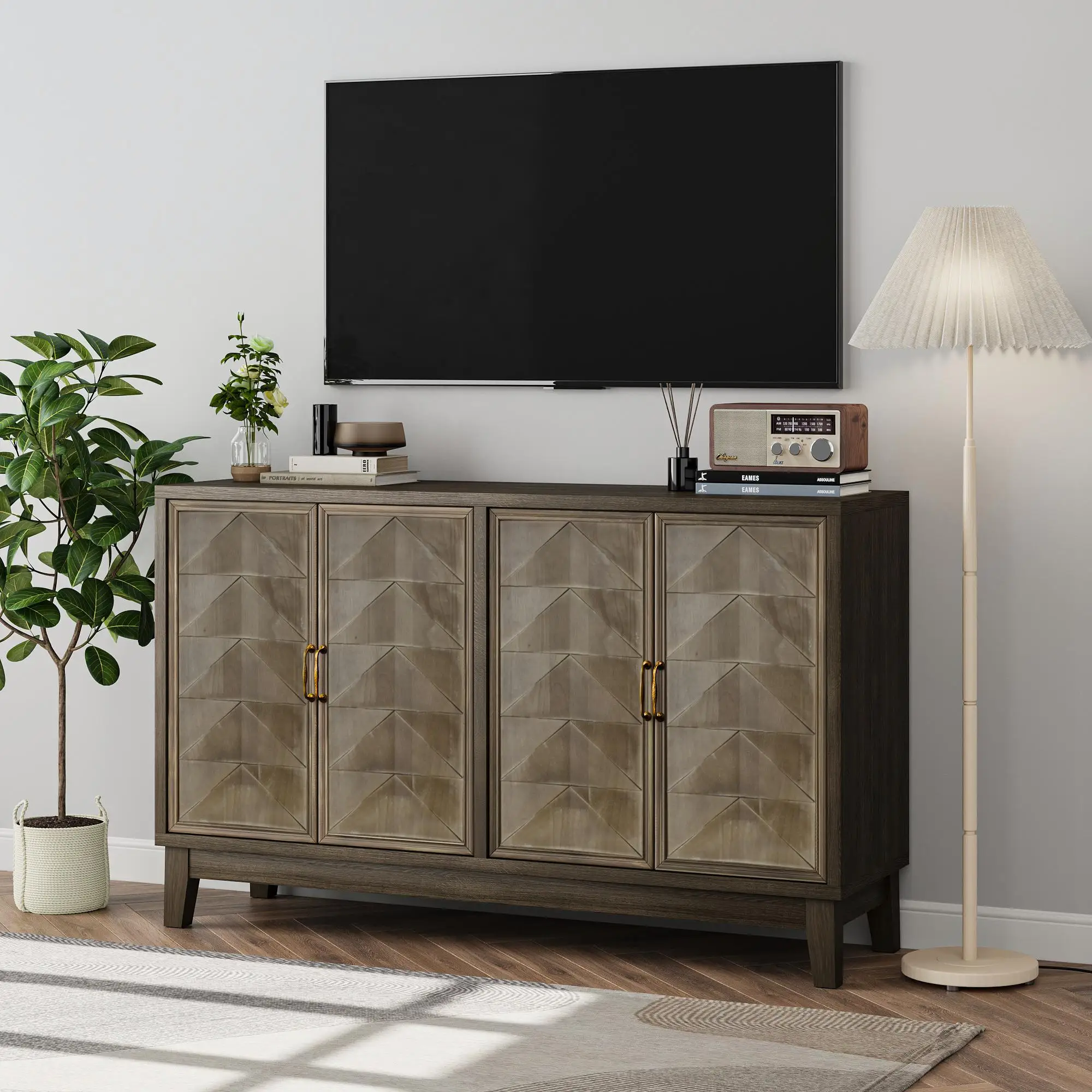
Vintage Farmhouse Solid Wood Sideboard Buffet Cabinet with Storage – Goldoma
For a timeless farmhouse look, consider the Vintage Farmhouse Solid Wood Sideboard Buffet Cabinet with Storage from Goldoma, which combines rustic charm with practical storage.
Frequently asked questions
What is the best wood for a solid wood sideboard?
Oak is popular for its durability and grain, walnut for its rich color, and pine for affordability. Choose based on your style and budget.
How much weight can a solid wood sideboard hold?
Most solid wood sideboards can support 50-100 lbs on top, but check the manufacturer’s specifications. Drawers and shelves have lower limits.
Can I paint a solid wood sideboard?
Yes, solid wood can be painted. Sand lightly, prime, and use quality paint. Keep in mind that painting hides the natural grain.
How do I prevent scratches on my sideboard?
Use felt pads under decorative items, avoid dragging objects, and clean with soft cloths. Wax finishes can also add a protective layer.