
Blog
Stainless Steel Chandelier Buying Guide: What to Know
Buying Guide
A Stainless Steel Chandelier Adds Lasting Elegance
A stainless steel chandelier is more than a lighting fixture; it’s a statement piece that can define a room’s character. In this guide, we’ll walk you through everything you need to know before making a purchase.
Why Choose a Stainless Steel Chandelier?
Stainless steel chandeliers offer a unique blend of durability and style that few other materials can match. Unlike traditional brass or iron, stainless steel resists corrosion and tarnishing, making it an ideal choice for humid environments like coastal homes or even covered outdoor spaces. Its sleek, modern appearance complements a wide range of interior designs, from industrial lofts to contemporary living rooms.
Moreover, stainless steel is incredibly low-maintenance. A simple wipe with a damp cloth is usually enough to keep it looking new. This practicality, combined with its aesthetic appeal, makes it a smart investment for any homeowner.
Key Factors to Consider When Buying a Stainless Steel Chandelier
Before you start shopping, it’s helpful to understand the different aspects that contribute to a chandelier’s performance and look. Here are the most important factors:
- Finish and Texture: Stainless steel comes in various finishes, including brushed, polished, and matte. Brushed finishes hide fingerprints and smudges better, while polished finishes offer a mirror-like shine. Consider the level of maintenance you’re willing to commit to.
- Size and Scale: The chandelier should be proportionate to the room and the table or area it illuminates. A common rule is to add the room’s length and width in feet, then convert that sum to inches for an approximate diameter. For example, a 12×14 foot room would suit a chandelier around 26 inches in diameter.
- Lighting Needs: Think about the type of bulbs and the amount of light you need. Some chandeliers use LED bulbs, which are energy-efficient and long-lasting, while others may require incandescent or halogen bulbs. Also, consider the color temperature—warm light for cozy spaces, cool light for task-oriented areas.
- Design Style: Stainless steel chandeliers come in many designs, from minimalist geometric shapes to ornate crystal-adorned pieces. Choose a style that harmonizes with your existing decor. For instance, a linear chandelier works well over a dining table, while a round one can be a focal point in a living room.
Styles of Stainless Steel Chandeliers
Stainless steel’s versatility allows it to be crafted into a variety of styles. Here are some popular options:
- Modern and Minimalist: Clean lines, simple shapes, and a focus on functionality. These chandeliers often feature exposed bulbs or geometric frames.
- Industrial: Inspired by factories and warehouses, these designs incorporate elements like metal cages or vintage Edison bulbs. Stainless steel adds a polished touch to the raw aesthetic.
- Transitional: Blending traditional and contemporary elements, transitional chandeliers often combine stainless steel with glass or fabric shades for a balanced look.
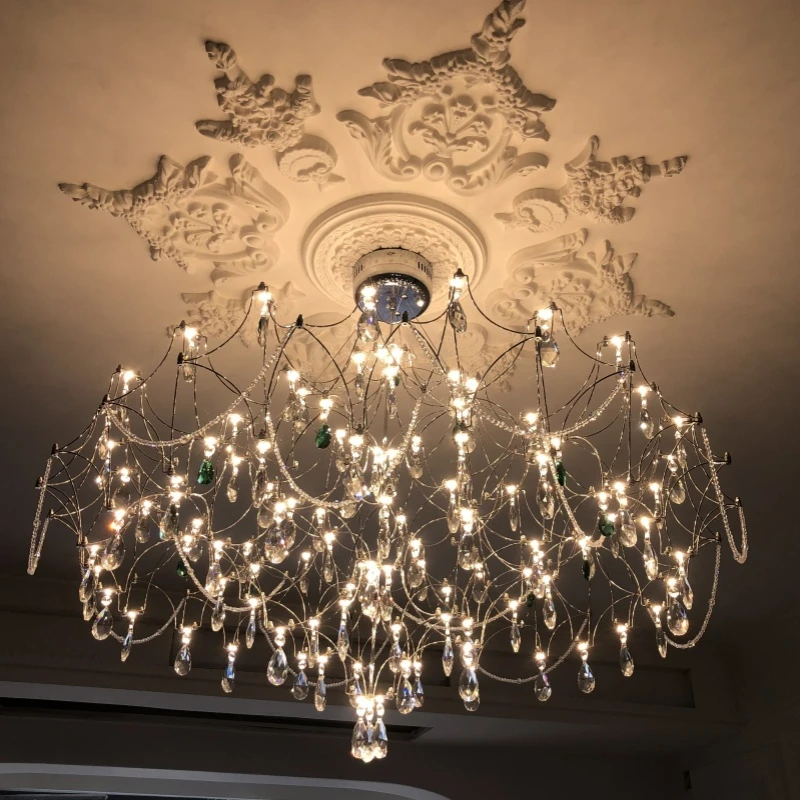
- Crystal-Embellished: For a touch of luxury, some stainless steel chandeliers are adorned with crystals that catch the light and add sparkle. These work beautifully in formal dining rooms or entryways.
When selecting a style, consider the overall mood you want to create. A crystal chandelier can elevate a space, while a minimalist one might keep it understated.
How to Determine the Right Size and Placement
Proper sizing and placement are crucial for both aesthetics and functionality. Here are some guidelines:
- Dining Room: The chandelier should hang about 30 to 36 inches above the table surface. Ensure it’s centered over the table, not the room.
- Living Room: If placing over a coffee table, allow at least 6 feet of clearance from the floor to the bottom of the fixture. For a two-story foyer, the bottom should be at least 7 feet above the floor.
- Hallways: Use a linear chandelier or multiple small pendants for long corridors, maintaining at least 7 feet of clearance.
Also, consider the visual weight. A chandelier that’s too small will get lost, while one that’s too large can overwhelm the space. When in doubt, go slightly larger—it’s easier to make a statement than to correct a mistake.
Lighting and Bulb Considerations
The type of lighting you choose significantly affects the ambiance. Here’s what to keep in mind:
- Bulb Types: LED bulbs are the most energy-efficient and have a long lifespan. They are available in various color temperatures, from warm white (2700K) to cool white (5000K). For a warm, inviting glow, choose warm white. For a more modern, crisp light, cool white works well.
- Dimmability: Many chandeliers are compatible with dimmer switches, allowing you to adjust the brightness to suit different occasions. Check the product specifications to ensure compatibility.
- Number of Bulbs: More bulbs mean more light, but also more energy consumption. Consider the room’s size and the amount of natural light it receives. A well-lit room might not need a 10-bulb chandelier.
If you’re unsure about the right lighting, consult a lighting specialist or use online calculators to estimate the required lumens for your space.
Installation and Maintenance Tips
Installing a chandelier can be a DIY project if you have basic electrical knowledge, but for safety, it’s often best to hire a professional electrician, especially for heavy fixtures. Here are some tips:
- Check the Ceiling Support: A chandelier can be heavy. Ensure your ceiling box is rated to support the weight. If not, you may need to install a support brace.
- Follow Local Codes: Electrical work must comply with local building codes. If you’re not experienced, a licensed electrician ensures everything is up to standard.
- Cleaning: To maintain its shine, dust the chandelier regularly with a soft, dry cloth. For deeper cleaning, use a mild soap and water solution, then dry thoroughly. Avoid abrasive cleaners that can scratch the surface.
Regular maintenance not only keeps your chandelier looking beautiful but also ensures it functions safely for years to come.
Where to Place a Stainless Steel Chandelier
Stainless steel chandeliers are versatile and can enhance various spaces. Here are some ideas:
- Entryway: Make a lasting first impression with a striking chandelier that greets guests.
- Dining Room: Create an intimate atmosphere for meals and gatherings.
- Living Room: Serve as a focal point above a coffee table or seating area.
- Bedroom: Add a touch of elegance and soft lighting for relaxation.
- Staircase: A vertical chandelier can fill a tall stairwell with light and style.
Remember to consider the ceiling height and the room’s function when choosing the design and placement.
Pairing with Interior Design Themes
Stainless steel’s neutral tone makes it easy to integrate into various design themes:
- Contemporary: Clean lines and minimal ornamentation fit perfectly.
- Industrial: Combine with exposed brick, wood, and metal accents for a cohesive look.
- Scandinavian: Emphasize simplicity and functionality with a sleek, uncluttered design.
- Transitional: Blend traditional furniture with modern lighting for a balanced aesthetic.
When in doubt, look for a chandelier that complements the room’s existing color palette and materials. For example, a brushed stainless steel finish pairs well with cool gray tones and marble, while a polished finish can add contrast to warm woods.
For more inspiration on lighting design, you might find the history of chandeliers interesting.
New Stainless Steel Crystal Ceiling Chandelier Led Lamps Living Room Personalized Firefly Shape Restaurant Villa Lights
If you’re looking for a unique blend of stainless steel and crystal, consider the New Stainless Steel Crystal Ceiling Chandelier, which adds a personalized firefly-inspired touch to living spaces.
Frequently asked questions
How do I clean a stainless steel chandelier?
To clean a stainless steel chandelier, first turn off the power. Dust it regularly with a soft, dry cloth or a feather duster. For a deeper clean, use a mild dish soap mixed with warm water, apply with a soft cloth, and then rinse with a damp cloth and dry thoroughly. Avoid abrasive cleaners or steel wool, which can scratch the surface.
Can a stainless steel chandelier be used outdoors?
Yes, stainless steel is resistant to corrosion and rust, making it suitable for covered outdoor areas like patios or porches. However, ensure the chandelier is rated for outdoor use and is protected from direct water exposure to prolong its lifespan.
What is the ideal height to hang a chandelier above a dining table?
The bottom of the chandelier should hang 30 to 36 inches above the table surface. This provides ample light without obstructing views across the table. Adjust based on the ceiling height and the size of the chandelier.
Are stainless steel chandeliers durable?
Stainless steel is highly durable and resistant to tarnishing, scratching, and corrosion. With proper care, a stainless steel chandelier can maintain its appearance and functionality for many years, making it a long-term investment.
