
Blog
Stainless Steel Cutlery Set: Your Ultimate Buying Guide
Buying Guide
The Essential Stainless Steel Cutlery Set Guide
Choosing a stainless steel cutlery set can transform your dining experience. This guide will help you navigate materials, styles, and maintenance so you can confidently select flatware that lasts.
What to Look for in a Stainless Steel Cutlery Set
When shopping for a stainless steel cutlery set, the first thing to consider is the grade of stainless steel. Most quality sets are made from 18/10 stainless steel, which contains 18% chromium and 10% nickel. This combination offers excellent corrosion resistance and a brilliant shine. Lower grades like 18/0 or 13/0 lack nickel and may be more prone to rust or dullness. For everyday use, 18/10 is a reliable choice that balances cost and performance. Also, check the weight and balance of each piece—a well-made fork or knife should feel comfortable in your hand without being too heavy or too flimsy.
Types of Stainless Steel Cutlery Sets
There are several types of stainless steel cutlery sets to suit different needs.
Everyday Sets
These are typically 20- to 45-piece sets designed for daily use. They often include dinner forks, salad forks, dinner knives, soup spoons, and teaspoons. Many come in a storage case or tray.
Formal Sets
For special occasions, formal cutlery sets may include additional pieces like fish forks, butter knives, and steak knives. These often have more ornate handles or mirror finishes.
Specialty Sets
Some sets focus on specific tasks, such as steak knife sets or dessert cutlery. If you frequently host dinner parties, a steak knife set might be a worthwhile addition.
When choosing, think about how often you entertain and whether you prefer matching pieces or a mix-and-match approach.
How to Care for Your Stainless Steel Cutlery Set
Proper care extends the life of your stainless steel cutlery set. While many pieces are dishwasher safe, hand washing is gentler and prevents water spots. If you use a dishwasher, avoid mixing with silver or other metals to prevent pitting. Dry immediately after washing to maintain shine. Avoid leaving cutlery in water for long periods, and store in a dry place. Over time, stainless steel can develop a patina—this is normal and can be polished with a soft cloth.
Comparing Stainless Steel Grades: 18/10 vs. 18/0
Understanding the difference between 18/10 and 18/0 stainless steel is key to making an informed purchase. Stainless steel grades affect both appearance and durability. 18/10 offers a warmer, brighter finish and is more resistant to rust and corrosion. 18/0, often called “chrome steel,” is harder and more scratch-resistant but can develop a slightly bluish tint over time. For most households, 18/10 is the preferred choice for its aesthetic and longevity. However, if you’re on a tight budget, 18/0 can still provide decent performance.
Number of Pieces: How Many Do You Need?
Cutlery sets range from 20 to 65 pieces. A standard 20-piece set serves four people (knife, fork, tablespoon, teaspoon, salad fork each). For a family of four, a 45-piece set might include extra teaspoons and serving pieces. Consider your household size and how often you host guests. If you entertain frequently, a larger set with serving utensils is convenient. Remember that you can always buy additional place settings later if the style remains available.
Design and Style: Matching Your Table
The design of your stainless steel cutlery set should complement your dinnerware and overall decor. Modern sets feature clean lines and minimal ornamentation, while traditional sets may have ornate handles or classic patterns. Consider the finish: mirror-polished is shiny and formal, while satin or brushed finishes are more understated and hide fingerprints. Some sets have ergonomic handles for comfort. If you’re unsure, a simple, timeless design tends to work well with any table setting.
Budget and Value: Finding the Sweet Spot
Stainless steel cutlery sets vary widely in price. Entry-level sets can be found for under $30, while premium sets may exceed $200. In general, spending a bit more on 18/10 steel with a good weight will pay off in durability. Avoid sets that feel too lightweight or have loose handles—these may not last. Look for sets that come with a satisfaction guarantee or warranty. Remember that a quality set can last for decades with proper care, making it a worthwhile investment.
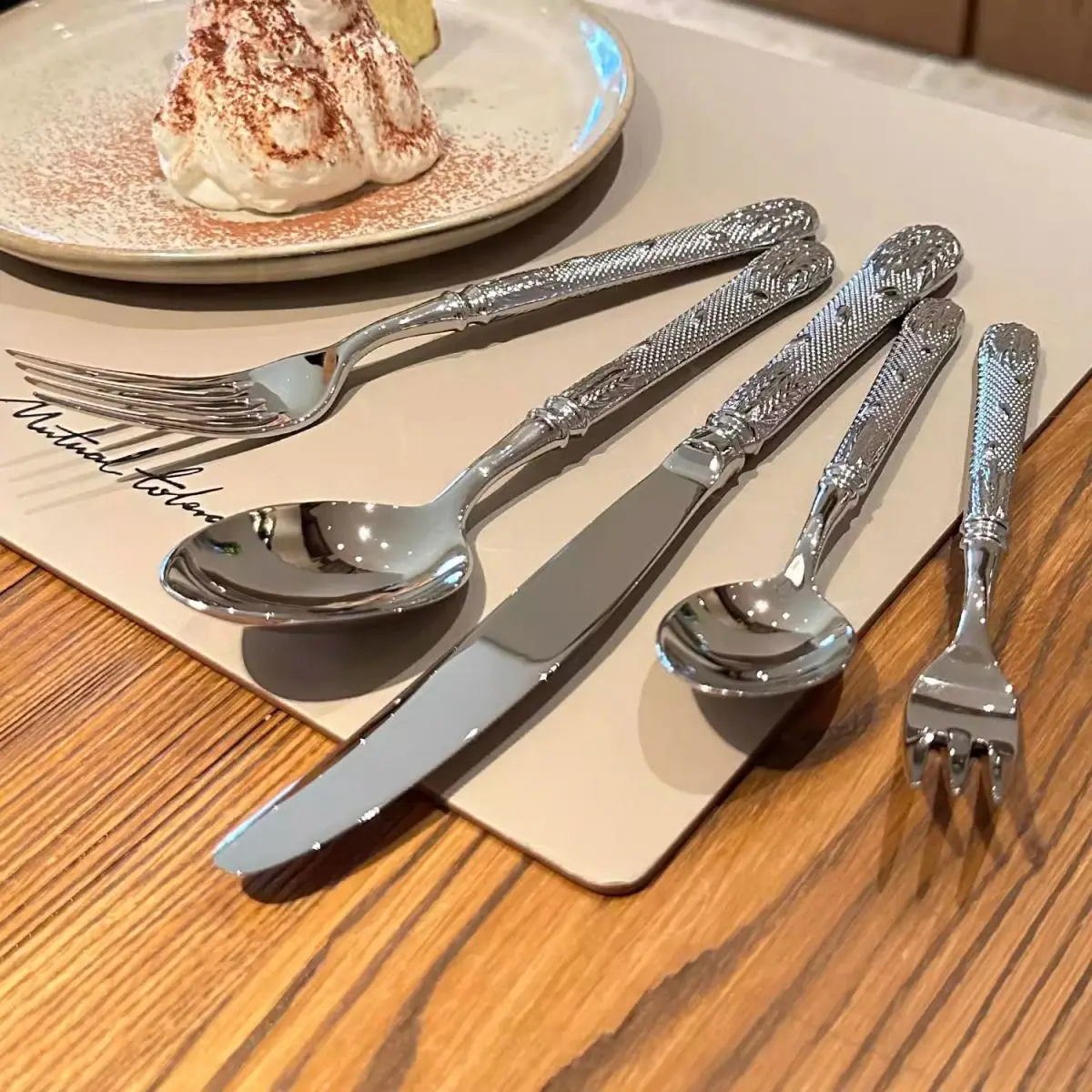
Stainless Steel Cutlery Set Silver Steak Knife Fork Spoon Houseuse Tableware Fruit Fork for Kitchen Dining Banquet Bar
For a reliable everyday option, consider the Stainless Steel Cutlery Set Silver Steak Knife Fork Spoon Houseuse Tableware Fruit Fork for Kitchen Dining Banquet Bar—it offers balanced weight and a classic design.
Frequently asked questions
What is the best stainless steel grade for cutlery?
18/10 stainless steel is generally considered the best for cutlery because it offers excellent corrosion resistance and a bright, lasting shine. It contains 18% chromium and 10% nickel, which makes it durable and tarnish-resistant.
Is stainless steel cutlery dishwasher safe?
Most stainless steel cutlery is dishwasher safe, but hand washing is recommended to prevent water spots and potential damage from harsh detergents. If using a dishwasher, place cutlery in the basket with handles down and remove promptly after the cycle.
How many pieces should a cutlery set have for a family of four?
A 20-piece set (4 each of dinner knife, fork, salad fork, tablespoon, and teaspoon) is sufficient for a family of four. For more versatility, a 45-piece set adds extra teaspoons and serving pieces.
Can stainless steel cutlery rust?
High-quality stainless steel like 18/10 is highly resistant to rust, but it can still occur if exposed to harsh chemicals, salt, or prolonged moisture. Prompt drying and proper storage help prevent rust.
