
Blog
The Ultimate Stainless Steel Cutting Board Guide
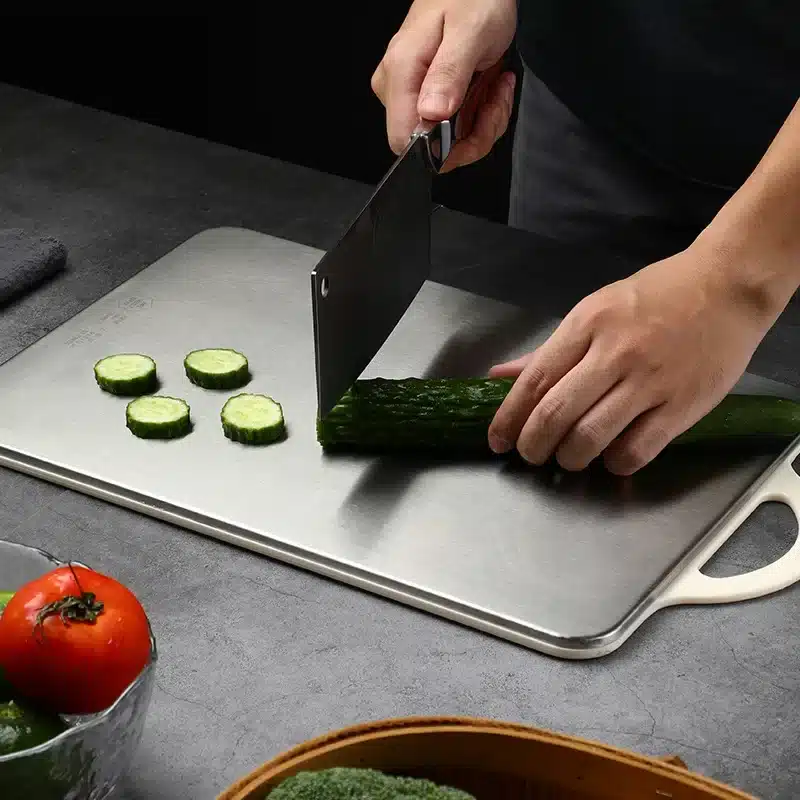
Kitchen Essentials
Stainless Steel Cutting Board: A Smart Choice
A stainless steel cutting board offers unmatched hygiene and durability for your kitchen. Whether you’re prepping meat or vegetables, this modern alternative to wood or plastic is worth considering.
Why Choose a Stainless Steel Cutting Board?
Stainless steel cutting boards are non-porous, meaning they don’t harbor bacteria like wood or plastic can. They’re resistant to stains, odors, and warping, making them a long-lasting investment. Plus, they’re dishwasher safe and easy to sanitize.
Hygiene and Safety Benefits
One of the biggest advantages of a stainless steel cutting board is its hygiene. Studies show that stainless steel surfaces inhibit bacterial growth. For more on this, check out Wikipedia’s article on stainless steel hygiene. Unlike wood, which can absorb juices, stainless steel won’t cross-contaminate foods.
Antibacterial Properties
Stainless steel naturally resists bacteria. A quick wipe with soap and water is often enough to keep it clean. For extra safety, you can use a diluted bleach solution.
Durability and Maintenance
Stainless steel cutting boards are incredibly durable. They won’t crack, splinter, or develop deep grooves like other materials. To maintain its shine, avoid abrasive cleaners and always dry it after washing.
How to Care for Your Board
- Wash with mild soap and warm water.
- Dry immediately to prevent water spots.
- Use a mineral oil occasionally to maintain luster (optional).
Best Uses for Stainless Steel Cutting Boards
These boards excel at cutting raw meat, poultry, and fish because they’re easy to sanitize. They can also be used for vegetables, but some chefs prefer wood for delicate tasks to protect knife edges. Consider having both: a stainless steel board for meat and a wooden one for produce.
Drawbacks to Consider
Stainless steel cutting boards can dull knives faster than wood or plastic. They’re also noisy when chopping and can be slippery if not secured. To mitigate this, place a damp paper towel underneath.
How to Choose the Right Stainless Steel Cutting Board
Look for a board with a brushed finish to hide scratches. Thickness matters—thicker boards are more stable. Some come with a PP (polypropylene) base for added grip and noise reduction, like the double-sided option from Home Brushed.
Conclusion
A stainless steel cutting board is a practical addition to any kitchen. It offers superior hygiene, durability, and ease of cleaning. While it may not replace all your cutting boards, it’s an excellent choice for meat prep and tasks where sanitation is key.
Home brushed stainless steel PP cutting board Kitchen cutting meat anti-bacterial and anti-mold double-sided cutting board
For a reliable option, consider the Home brushed stainless steel PP cutting board, a double-sided design that combines a stainless steel surface with a PP base for added stability and noise reduction.
Frequently asked questions
Is a stainless steel cutting board better than wood?
Stainless steel is more hygienic and easier to clean, but it can dull knives faster. Wood is gentler on blades but requires more maintenance.
Can I use a stainless steel cutting board for everything?
Yes, but it’s best for raw meat, poultry, and fish. For delicate tasks like chopping herbs, a wooden board is often preferred.
How do I clean a stainless steel cutting board?
Wash with warm soapy water, rinse, and dry immediately. You can also sanitize with diluted bleach or put it in the dishwasher.
Will stainless steel cutting boards scratch?
Yes, they will develop scratches over time, which is normal. A brushed finish helps hide them.
