
Blog
The Ultimate Stainless Steel Frying Pan Buying Guide
Cookware Guide
Choosing the Perfect Stainless Steel Frying Pan
A stainless steel frying pan is a kitchen workhorse that can last a lifetime when chosen wisely. Whether you’re searing steak or simmering sauce, the right pan makes all the difference.
Why a Stainless Steel Frying Pan Belongs in Your Kitchen
Stainless steel frying pans are prized for their durability and versatility. Unlike non-stick coatings that can wear off, a quality stainless steel pan can withstand high heat and rigorous use. It’s also non-reactive, meaning it won’t leach metals into acidic foods like tomato sauce. For health-conscious cooks, this is a major plus.
Additionally, stainless steel pans are compatible with all cooktops, including induction. They offer excellent heat retention and, when properly preheated, provide a natural non-stick surface for searing. Many professional chefs prefer stainless steel for its responsiveness and control.
Key Features to Look For in a Stainless Steel Frying Pan
Material and Construction
Look for pans with an aluminum or copper core sandwiched between layers of stainless steel. This construction ensures even heat distribution and prevents hot spots. Fully clad pans (where the multilayer material extends up the sides) are superior to those with only a disc on the bottom.
Thickness and Weight
A heavier pan (around 2-3 mm thick) is less likely to warp and provides better heat stability. However, consider your own strength—a very heavy pan can be cumbersome for daily use. Aim for a balance between heft and manageability.
Handle Design
Look for riveted handles that stay cool on the stovetop. Handles made of stainless steel or silicone provide a secure grip. Ensure the handle is long enough to keep your hand away from the heat source.
How to Season and Care for Your Stainless Steel Frying Pan
While stainless steel doesn’t require seasoning like cast iron, you can improve its non-stick properties with a simple technique: heat the pan over medium heat, add a thin layer of oil with a high smoke point, and let it shimmer before adding food. This creates a temporary non-stick surface.
For cleaning, avoid abrasive scrubbers that can scratch the surface. Instead, soak the pan in hot water with a bit of dish soap, then use a soft sponge. For stubborn residue, boil water and baking soda in the pan to loosen it. Dry thoroughly to prevent water spots.
Cooking Techniques for Stainless Steel Frying Pans
Preheating is Key
Always preheat your pan before adding oil. A simple test: sprinkle a few drops of water on the pan; if they dance and sizzle, it’s ready. This ensures food doesn’t stick and cooks evenly.
Deglazing for Flavor
After searing meat, pour in wine or broth while the pan is hot to lift browned bits (fond) off the bottom. This creates a flavorful sauce base—a technique impossible with non-stick pans.
Comparing Stainless Steel to Other Materials
Compared to non-stick pans, stainless steel offers superior durability and browning. Cast iron retains heat longer but is heavier and requires seasoning. Stainless steel is also dishwasher-safe, though hand washing is recommended to maintain its shine. If you’re looking for a pan that can handle high-heat searing and oven finishing, stainless steel is the clear winner.
Common Mistakes to Avoid
- Using high heat for delicate foods: Stainless steel conducts heat efficiently; medium-high is usually enough. High heat can cause sticking and burning.
- Adding food too early: Wait until the pan is hot and oil shimmers. Cold pan = sticky food.
- Using metal utensils: While stainless steel is tough, metal utensils can leave scratches. Opt for wooden or silicone tools to preserve the finish.
Is a Stainless Steel Frying Pan Worth the Investment?
Absolutely. A well-made stainless steel frying pan can last decades if cared for properly. It’s an investment in your cooking quality and kitchen longevity. Whether you’re a home cook or a budding chef, this pan will become your go-to for everything from eggs to stir-fries.
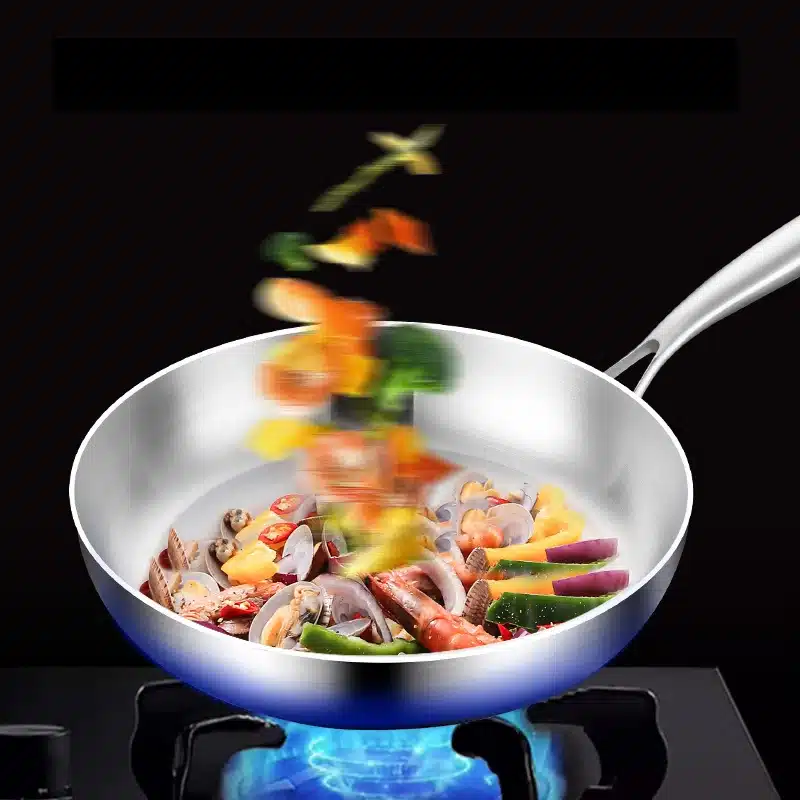
Stainless Steel Deep Fryer Non Stick Frying Pan Cooking Steak Kitchen Cookware Gas Stove Induction Cooker Universal Milk Pot
For a versatile option that combines deep frying and everyday cooking, consider the Stainless Steel Deep Fryer Non Stick Frying Pan Cooking Steak Kitchen Cookware Gas Stove Induction Cooker Universal Milk Pot—it’s built to handle everything from stir-fries to sauces.
Frequently asked questions
Can I use metal utensils on a stainless steel frying pan?
Yes, stainless steel is durable enough to withstand metal utensils, but using silicone or wood can prevent surface scratches and maintain the pan’s appearance.
How do I remove stubborn stains from my stainless steel pan?
For tough stains, make a paste of baking soda and water, apply it to the pan, and scrub gently with a non-abrasive sponge. Alternatively, boil vinegar and water in the pan to loosen residue.
Is stainless steel frying pan oven-safe?
Most stainless steel frying pans are oven-safe up to 500°F (260°C), but always check the manufacturer’s guidelines. Handles with silicone or plastic may have lower temperature limits.
Why does food stick to my stainless steel pan?
Food sticks if the pan isn’t preheated properly or if you add food too soon. Ensure the pan is hot before adding oil, and let the oil heat until it shimmers. Also, avoid overcrowding the pan.
