
Blog
The Ultimate Guide to Choosing a Stainless Steel Pot
Kitchen Essentials
Your Go-To Stainless Steel Pot Guide
A reliable stainless steel pot is the backbone of any kitchen, offering durability and even heating for everyday cooking. Whether you’re simmering soups or searing meats, choosing the right one makes all the difference.
Why a Stainless Steel Pot Belongs in Every Kitchen
Stainless steel pots are prized for their resilience and non-reactive surface, meaning they won’t leach metals into your food. They resist rust, dents, and stains, making them a long-term investment. Unlike nonstick pans, stainless steel can handle high heat for browning and deglazing. Many professional chefs prefer them for their versatility and timeless look. A good stainless steel pot can last decades with proper care.
Key Features to Look for in a Stainless Steel Pot
Material Quality: Look for pots made from 18/10 stainless steel (18% chromium, 10% nickel) for superior corrosion resistance and shine. Thicker gauges (2.5–3mm) provide better heat distribution and less warping.
Construction: Tri-ply or multi-ply construction (stainless steel layers around an aluminum or copper core) ensures even heating without hot spots. A tight-fitting lid traps moisture and flavor.
Handles and Rivets: Stay-cool handles made of stainless steel or silicone are comfortable and secure. Solid rivets rather than spot welds ensure durability.
Compatability: Most stainless steel pots work on all cooktops, including induction, if they have a magnetic base. Check the manufacturer’s specs.
- 18/10 stainless steel for durability
- Tri-ply or multi-ply construction
- Stay-cool handles and tight lid
- Induction-compatible base
Types of Stainless Steel Pots and Their Uses
Stockpots: Tall and large (8–20 quarts), ideal for stocks, soups, and pasta. A heavy bottom prevents scorching.
Saucepans: Smaller (1–4 quarts) with a long handle, perfect for sauces, rice, and heating leftovers.
Dutch Ovens: Wide and heavy with a tight lid, excellent for braising, stewing, and baking bread. Many are enameled cast iron, but stainless versions exist.
Specialty Pots: Double boilers, pasta inserts, and casserole pots for specific tasks. A stainless steel pot with a steamer basket is great for vegetables.
How to Care for Your Stainless Steel Pot
To maintain your pot’s shine, wash with warm soapy water and a non-abrasive sponge. For stubborn stains, use a stainless steel cleaner or a paste of baking soda and water. Avoid bleach or harsh chemicals. Dry immediately to prevent water spots. For burnt-on food, boil water with a splash of vinegar and scrape with a wooden spoon.
Never leave a stainless steel pot empty on high heat—it can discolor and warp. Use medium heat for most cooking. Store with a paper towel inside to absorb moisture if stacking.
Common Mistakes to Avoid When Using Stainless Steel
One of the biggest mistakes is cooking at too high a heat. Stainless steel conducts heat efficiently; medium to medium-high is usually enough. Another is using metal utensils that scratch the surface—opt for silicone, wood, or nylon. Also, avoid thermal shock: don’t plunge a hot pot into cold water, as it can cause warping.
Top Brands and Price Ranges
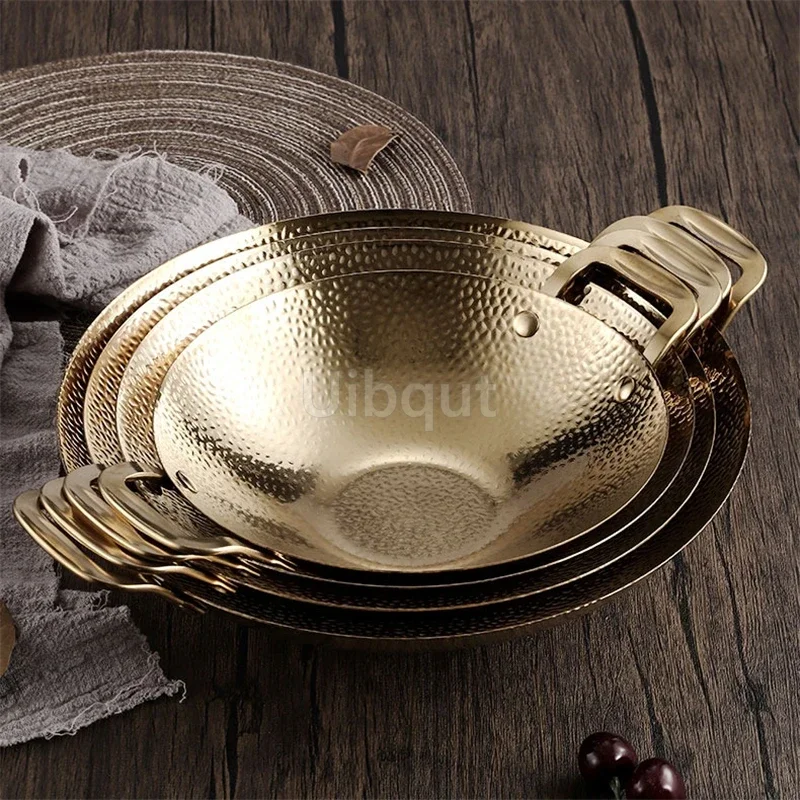
While we recommend our own Double Ear Bar Cauldron Commercial round bottom pot Small Hot Pots Thickened creative stainless steel dry pot Pot cub Golden for its unique design and durability, other reputable brands include All-Clad (high-end, tri-ply), Cuisinart (mid-range, multi-ply), and Tramontina (budget-friendly, good quality). Prices range from $30 for a basic saucepan to $300+ for premium sets. Invest in what fits your cooking style and budget.
Environmental and Health Benefits of Stainless Steel
Stainless steel is 100% recyclable and free of harmful coatings like PFOA or PTFE. It doesn’t react with acidic foods, preserving taste and nutrition. Its longevity reduces waste compared to nonstick pans that need frequent replacement. Choosing a stainless steel pot is a sustainable choice for your kitchen and the planet.
Double Ear Bar Cauldron Commercial round bottom pot Small Hot Pots Thickened creative stainless steel dry pot Pot cub Golden
For a unique blend of traditional craftsmanship and modern durability, consider the Double Ear Bar Cauldron Commercial round bottom pot Small Hot Pots Thickened creative stainless steel dry pot Pot cub Golden, designed for even heat and versatile cooking.
Frequently asked questions
Can I use metal utensils on a stainless steel pot?
While stainless steel is durable, metal utensils can leave scratches. For best appearance, use silicone, wood, or nylon utensils.
Why does food stick to my stainless steel pot?
Sticking often occurs when the pot isn’t preheated properly or when cooking at too high heat. Use the water droplet test: add a drop of water; if it beads and dances, the pan is ready.
Is stainless steel safe for induction cooktops?
Only if the pot has a magnetic base. Check with a magnet; if it sticks, it’s induction-compatible.
How do I remove rainbow discoloration from my stainless steel pot?
Rainbow stains are harmless and caused by heat. Remove them by wiping with a cloth dipped in white vinegar or a stainless steel cleaner.
