
Blog
The Ultimate Guide to Choosing the Best Stainless Steel Pot
Buying Guide
How to Pick the Right Stainless Steel Pot
A reliable stainless steel pot is the backbone of any well-equipped kitchen. Whether you’re simmering soups or searing meats, choosing the right one makes all the difference.
Why Choose a Stainless Steel Pot?
Stainless steel is prized for its durability, non-reactive surface, and even heating. Unlike aluminum or copper, it won’t leach metals into acidic foods, making it a safe choice for daily cooking. Plus, it resists rust and staining, so your stainless steel pot will look great for years with proper care.
Types of Stainless Steel Pots
From stockpots to saucepans, there’s a stainless steel pot for every task. Common types include:
- Stockpot: Tall with straight sides, ideal for stocks and pasta.
- Saucepan: Medium height with a lid, perfect for sauces and grains.
- Saute Pan: Wide and shallow for browning and braising.
- Double Boiler: Two stacked pots for gentle heating of chocolate or custards.
Key Features to Look For
When shopping for a stainless steel pot, consider these features:
- Clad Construction: Multi-ply bottoms (aluminum or copper core) ensure even heat distribution and prevent hot spots.
- Lid Fit: A tight-sealing lid locks in moisture and flavor.
- Handle Comfort: Riveted, stay-cool handles provide a secure grip.
- Rim Design: A rolled or flared rim makes pouring drip-free.
What About Induction Compatibility?
If you have an induction cooktop, ensure your stainless steel pot is magnetic. Most tri-ply pots work, but always check the label.
Size and Capacity Guide
Choose a size that fits your household. For 1-2 people, 2-3 quart pots work well; for families, 6-8 quarts are versatile. A good rule: have one small (1-2 qt), one medium (4-5 qt), and one large (8+ qt) stainless steel pot.
Caring for Your Stainless Steel Pot
To keep your stainless steel pot shining:
- Avoid abrasive cleaners that scratch the surface.
- Use low to medium heat to prevent discoloration.
- Remove stuck-on food with baking soda paste.
- Dry immediately after washing to avoid water spots.
For more on stainless steel cookware care, check out this Wikipedia article.
Why Clad vs. Disc-Bottom Matters
Clad (fully bonded) pots heat evenly across the entire surface, while disc-bottom pots concentrate heat at the base. For tasks like searing or simmering, a clad stainless steel pot is superior. Disc-bottom is fine for boiling water or quick tasks.
Our Top Pick for Versatility
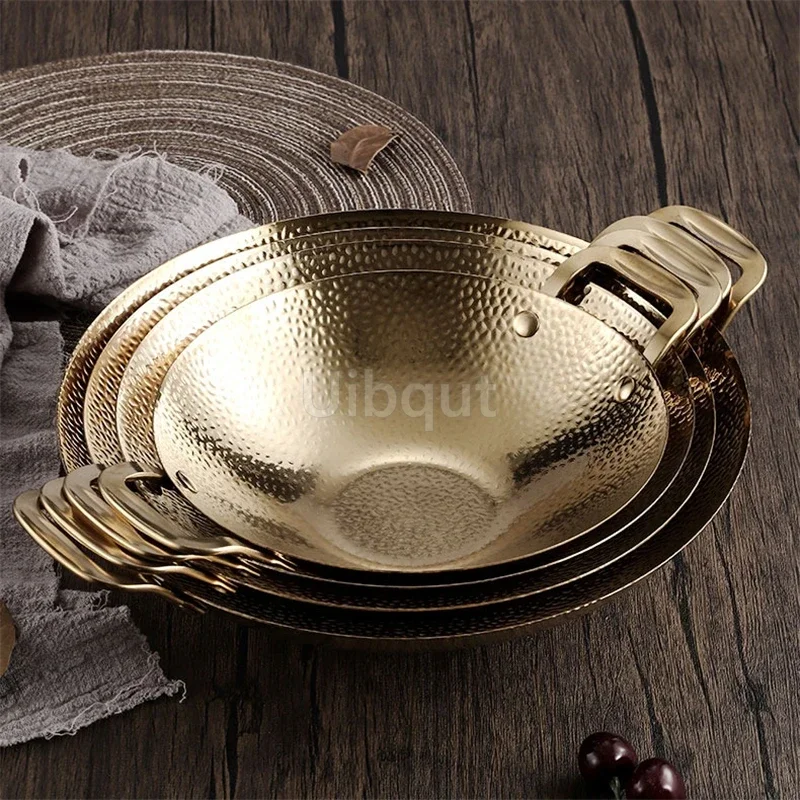
If you want a single pot that handles everything from deep frying to serving, consider a round-bottom design with a thickened build. The Double Ear Bar Cauldron Commercial round bottom pot Small Hot Pots Thickened creative stainless steel dry pot Pot cub Golden offers excellent heat retention and a unique aesthetic that stands out. It’s a workhorse for both stovetop and table.
Double Ear Bar Cauldron Commercial round bottom pot Small Hot Pots Thickened creative stainless steel dry pot Pot cub Golden
For a unique blend of traditional craftsmanship and modern durability, the Double Ear Bar Cauldron Commercial round bottom pot Small Hot Pots Thickened creative stainless steel dry pot Pot cub Golden offers exceptional heat retention and a striking design.
Frequently asked questions
Can I use a stainless steel pot on an induction cooktop?
Yes, if the pot is magnetic. Most tri-ply or multi-ply stainless steel pots are induction-compatible. Check the product description or test with a magnet.
Is stainless steel safe for cooking acidic foods?
Absolutely. Stainless steel is non-reactive, meaning it won’t leach metals into acidic ingredients like tomatoes or lemon juice.
How do I remove stubborn stains from my stainless steel pot?
Fill the pot with water and a tablespoon of baking soda, boil for 10 minutes, then scrub gently with a non-abrasive sponge. For discoloration, use a stainless steel cleaner.
What is the best thickness for a stainless steel pot?
Look for pots with an aluminum or copper core at least 2-3mm thick. Thicker bottoms provide better heat distribution and reduce the risk of burning.
