
Blog
The Ultimate Guide to Choosing Stoneware Dinner Plates
Tableware Guide
Find Your Perfect Stoneware Dinner Plates
Stoneware dinner plates are a beloved staple in kitchens worldwide, prized for their durability and timeless appeal. Whether you’re setting a casual family table or an elegant dinner party, the right plates can elevate every meal.
Why Stoneware Dinner Plates Are a Smart Choice
Stoneware dinner plates are fired at high temperatures, making them incredibly strong and resistant to chipping. Unlike porcelain or bone china, stoneware has a slightly heavier feel that many find reassuring. It’s also naturally non-porous when glazed, so it won’t absorb flavors or odors. For everyday use, stoneware dinner plates offer the perfect balance of beauty and resilience.
Another advantage is their thermal properties: stoneware retains heat well, keeping your food warm longer. And because it’s typically microwave and dishwasher safe, cleanup is a breeze. When you invest in quality stoneware dinner plates, you’re choosing pieces that will last for years.
What to Look for in Quality Stoneware Dinner Plates
Not all stoneware dinner plates are created equal. Here are key factors to consider:
- Clay Body: High-quality stoneware uses fine-grained clay that fires to a dense, vitrified state. This prevents moisture absorption and ensures durability.
- Glaze: A well-applied glaze should be smooth, even, and free of pinholes or bubbles. It protects the plate and adds to its aesthetic.
- Weight and Balance: A good stoneware dinner plate feels substantial but not overly heavy. It should sit flat on the table without wobbling.
- Edge Finish: Look for smoothly finished rims, especially if you plan to stack them. Rough edges can lead to chipping.
- Oven Safety: Many stoneware dinner plates are oven-safe up to a certain temperature (e.g., 500°F). Check the manufacturer’s specifications.
Top Designs and Styles for Stoneware Dinner Plates
Stoneware dinner plates come in a wide range of styles, from rustic to modern. Popular designs include:
- Classic White: Timeless and versatile, white stoneware dinner plates match any table setting and make food pop.
- Speckled or Reactive Glazes: These add texture and visual interest, making each piece unique.
- Hand-painted Patterns: For a personal touch, explore plates with floral, geometric, or abstract designs.
- Rimmed vs. Coupe: Rimmed plates have a raised edge, while coupe plates are flat with a slight curve. Choose based on your serving style.
When selecting a set, consider how the plates will coordinate with your existing serveware and decor.
Caring for Your Stoneware Dinner Plates
Proper care ensures your stoneware dinner plates remain beautiful for years. Here are some tips:
- Dishwasher: Most stoneware is dishwasher safe, but place plates securely to avoid knocking. Use a gentle cycle if possible.
- Microwave: Stoneware dinner plates are generally microwave safe, but avoid overheating empty plates.
- Oven: If oven-safe, always preheat the oven before placing plates inside to prevent thermal shock.
- Storage: Stack plates with felt or paper liners between them to prevent scratches. Avoid stacking too high to reduce pressure.
- Cleaning: For stubborn stains, use a non-abrasive cleaner. Avoid metal scouring pads.
- Avoid Sudden Temperature Changes: Don’t move a hot plate directly to a cold surface or immerse it in cold water.
Stoneware Dinner Plates vs. Other Materials
How do stoneware dinner plates compare to other popular materials?
- Porcelain: Porcelain is lighter and more translucent, but also more prone to chipping. Stoneware is heavier and more durable.
- Earthenware: Earthenware is softer and more porous, often less durable than stoneware. Stoneware is fired at higher temperatures, making it stronger.
- Bone China: Bone china is elegant and lightweight but expensive and delicate. Stoneware offers a more robust, everyday option.
- Melamine: Melamine is unbreakable but can scratch and is not microwave safe. Stoneware provides a genuine ceramic feel with better heat retention.
For a deeper dive into ceramic materials, learn more on Wikipedia.
How Many Stoneware Dinner Plates Do You Need?
A typical household needs at least 6-8 stoneware dinner plates for everyday use. For entertaining, consider a set of 12. If you have limited storage, a 4-piece set might suffice. Some people prefer to buy open stock to mix and match patterns. Think about your lifestyle: do you host large dinners? Do you have kids? Your answers will guide the quantity.
Where to Buy Stoneware Dinner Plates
You can find stoneware dinner plates at department stores, specialty kitchen shops, and online retailers. When shopping, read reviews and check return policies. It’s also a good idea to feel the plates in person if possible. Look for sets that offer a warranty, as that indicates confidence in the product. And remember, a slightly higher investment often pays off in longevity.
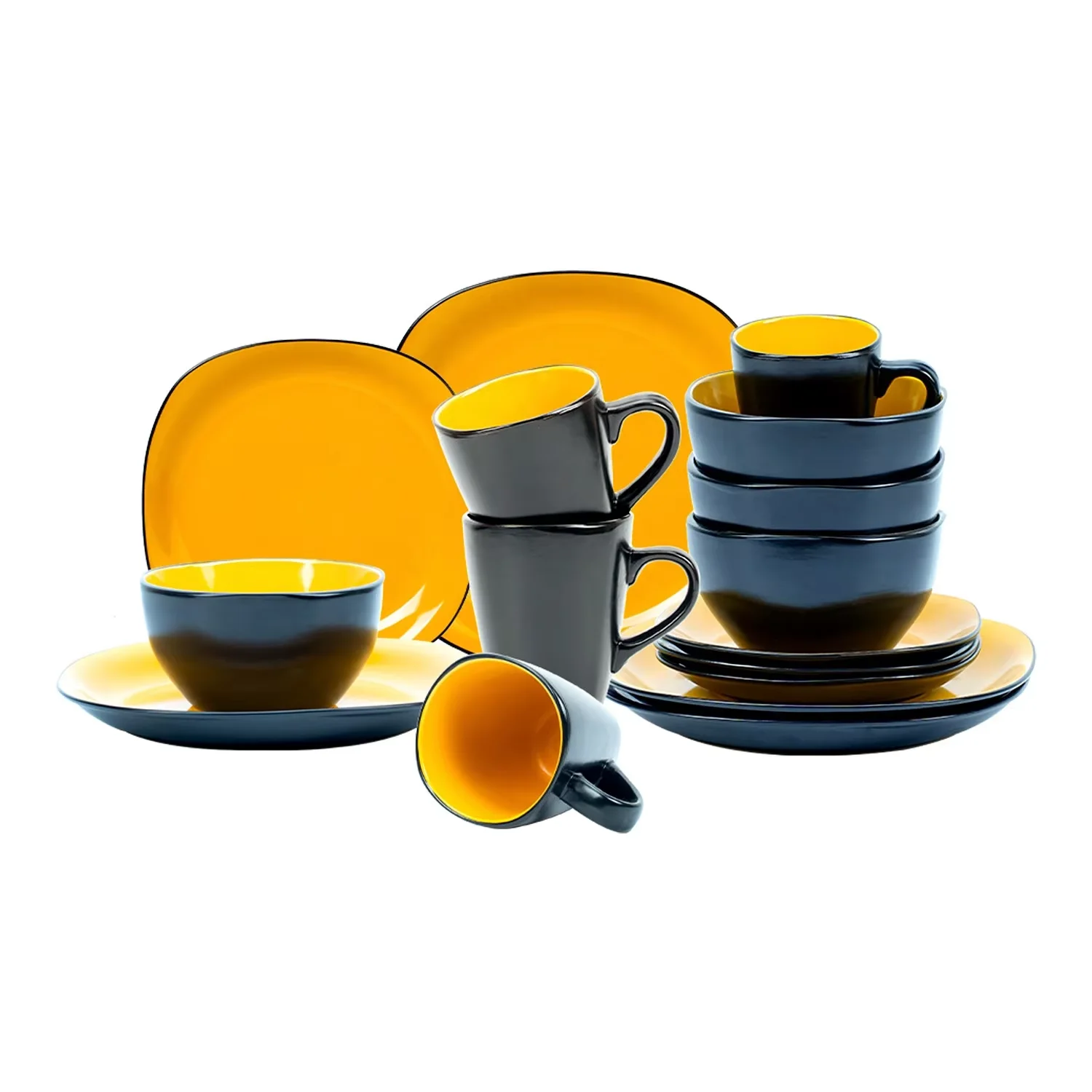
European Ceramic Dining Dinner Plate Set High Quality Classic Stoneware Plate & Dish for Home Premium Quality Serving Plates
For those seeking a classic, high-quality option, consider the European Ceramic Dining Dinner Plate Set, which offers premium stoneware craftsmanship for everyday elegance.
Frequently asked questions
Are stoneware dinner plates safe for daily use?
Yes, stoneware dinner plates are safe for daily use. They are durable, non-toxic, and typically free from harmful chemicals like lead or cadmium. Most are dishwasher and microwave safe, making them convenient for everyday meals.
Can stoneware dinner plates go in the oven?
Many stoneware dinner plates are oven-safe, but it depends on the manufacturer. Check the product specifications for temperature limits (often up to 500°F). To avoid thermal shock, always preheat the oven before placing plates inside.
How do I remove stains from stoneware dinner plates?
For stubborn stains, create a paste of baking soda and water, apply it to the stain, and let it sit for a few minutes. Gently scrub with a soft sponge. Alternatively, soak the plate in a solution of white vinegar and water for 30 minutes before washing.
What is the difference between stoneware and ceramic dinner plates?
Stoneware is a type of ceramic fired at higher temperatures (around 2200°F) compared to earthenware. This makes stoneware denser, less porous, and more durable. Ceramic is a broad term that includes stoneware, porcelain, and earthenware.