
Blog
The Ultimate Guide to Choosing a Tempered Glass Coffee Table
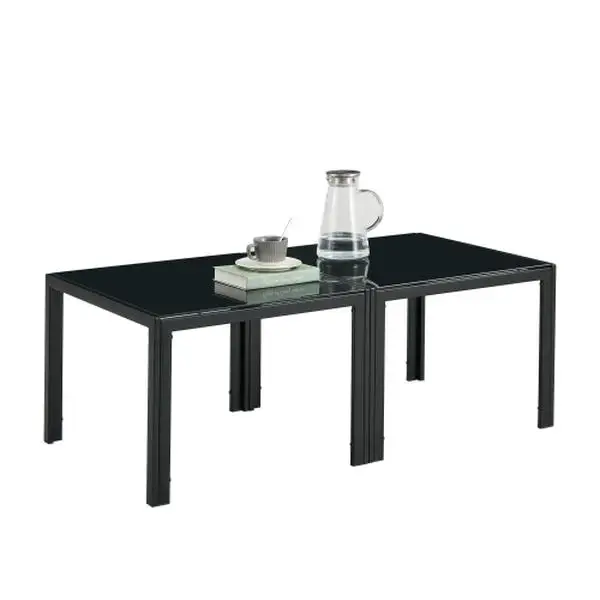
Buying Guide
Your Complete Tempered Glass Coffee Table Guide
A tempered glass coffee table can transform your living room with an airy, modern feel. But choosing the right one requires balancing safety, style, and durability.
Why Choose a Tempered Glass Coffee Table?
Tempered glass is four to five times stronger than standard glass, making it a safe choice for busy households. When broken, it shatters into small, blunt pieces rather than sharp shards. This strength allows for thinner, more elegant designs that visually expand a room. A tempered glass coffee table also resists scratches and heat better than regular glass, so it stands up to daily use—coffee rings, magazines, and even the occasional dropped remote.
Key Safety Features to Look For
Safety starts with the glass itself. Look for tables that clearly state they use tempered glass, often marked with a stamp or label. The edges should be polished smooth to prevent cuts. A sturdy base is equally important: wobbly legs or thin metal frames can tip, especially in homes with kids or pets. Check for rubber or felt pads on the feet to protect your floor and prevent sliding. Some designs also include a lower shelf or storage, which adds stability by lowering the center of gravity.
Exploring Glass Finishes and Colors
Clear glass is classic and makes a room feel larger, but tinted or frosted options offer more personality. Smoked gray glass adds a touch of sophistication, while bronze or amber tones warm up a neutral palette. Frosted glass diffuses light softly and hides fingerprints better than clear. For a bold statement, consider a colored tempered glass coffee table—like deep blue or forest green—paired with a neutral sofa. The finish also affects maintenance: clear glass shows every smudge, while textured or patterned glass hides them well.
Matching Your Coffee Table to Your Decor
A tempered glass coffee table works in many styles, from minimalist to industrial. For a Scandinavian look, choose a light wood frame with clear glass. An industrial space might pair a black metal base with smoky glass. If your room is already busy with patterns and colors, a simple glass top on a wooden or metal frame keeps things calm. In small apartments, a round or oval table softens sharp corners and improves flow. Always measure your seating area: the coffee table should be about the same height as your sofa cushions and within easy reach from every seat.
Durability and Maintenance Tips
Tempered glass is tough, but it can chip if hit on the edge. Avoid dragging heavy objects across the surface. Clean with a soft cloth and a mild glass cleaner—ammonia-free is best to protect any tinted finish. Microfiber cloths are excellent for streak-free shine. For day-to-day care, a simple spray of water with a drop of dish soap works wonders. Never use abrasive sponges or harsh chemicals, as they can scratch or cloud the glass. If your table has a wooden or metal base, dust it regularly and use appropriate polish for the material.
Size and Proportion: Getting It Right
The ideal coffee table is roughly two-thirds the length of your sofa. For a standard 84-inch sofa, aim for a table between 48 and 60 inches. Height should match your sofa cushions—typically 16 to 18 inches. If you have a low sectional, a shorter table (14–16 inches) works better. Allow at least 18 inches of clearance between the table and sofa for comfortable legroom and easy passage. In a small room, a tempered glass coffee table with a slim profile can make the space feel open while still providing a functional surface.
Versatile Design Ideas for Your Living Room
Use your coffee table as a centerpiece for vignettes: a stack of art books, a small plant, and a decorative tray. Because glass is transparent, you can layer textures underneath—a patterned rug or a soft pouf becomes part of the display. For families, consider a table with a lower shelf for baskets that hide remotes and toys. In a home office, a glass coffee table can double as a low desk for laptop work. The lightness of glass also makes it easy to move for cleaning or rearranging. For a truly unique look, mix materials: a reclaimed wood base with a glass top brings warmth and contrast.
For more on the history and manufacturing of tempered glass, visit Wikipedia’s article on tempered glass.
Goldoma Square Coffee Table Set of 2 – Wabi-Sabi Tempered Glass & Black Oak
For a blend of Japanese wabi-sabi aesthetics and modern safety, the Goldoma Square Coffee Table Set of 2 – Wabi-Sabi Tempered Glass & Black Oak offers two sizes and a warm, organic feel.
Frequently asked questions
Is tempered glass coffee table safe for children?
Yes, tempered glass is much safer than regular glass because it breaks into small, blunt pieces rather than sharp shards. However, always choose a table with smooth edges and a sturdy base to prevent tipping.
How do I clean a tempered glass coffee table without streaks?
Use a microfiber cloth and a mixture of water with a drop of dish soap. Spray lightly, wipe with the cloth, then buff dry with a clean microfiber cloth. Avoid ammonia-based cleaners if your glass has a tinted finish.
Can I put hot items directly on a tempered glass coffee table?
Tempered glass can withstand moderate heat, but it’s best to use coasters or trivets for hot mugs or plates to avoid thermal shock. Sudden extreme temperature changes can cause the glass to crack.
What size coffee table should I get for my sofa?
Aim for a table that is about two-thirds the length of your sofa and similar height to the seat cushions. Allow at least 18 inches between the table and sofa for comfortable legroom.