
Blog
The Best Boning Knife for Butchering and Deboning
Knife Guide
Find the Best Boning Knife for Your Kitchen
A good boning knife is the difference between a clean cut and a mangled piece of meat. Whether you’re breaking down a chicken or trimming a roast, the right blade makes all the difference.
What Makes a Boning Knife Different
A boning knife has a thin, flexible blade designed to maneuver around bones and joints. Unlike a chef’s knife, it’s built for precision, not chopping. The narrow profile lets you make tight cuts without wasting meat. Typical blade lengths range from 5 to 6 inches, giving you control without being too short.
The flexibility matters too. A stiff blade works well for beef and larger cuts, while a flexible one is better for poultry and fish. Choose based on what you cook most.
Key Features to Look For
Blade Material
Look for high-carbon stainless steel. It holds an edge well and resists rust. Some knives use softer steel that’s easier to sharpen but dulls faster. For home use, a balance of hardness and ease of maintenance is ideal.
Handle Comfort
You’ll be gripping this knife for extended periods, so the handle needs to be comfortable and non-slip. Materials like textured plastic or wood with a contoured shape reduce fatigue. A full tang adds weight and balance, but a partial tang can be lighter.
Edge Retention
A knife that stays sharp longer saves you time. Look for blades with a Rockwell hardness around 58-60. Higher numbers can be brittle, lower ones dull quickly. Regular honing helps maintain the edge.
Flexible vs. Stiff Boning Knives
Flexible blades are great for delicate tasks like removing skin from fish or deboning chicken thighs. The bend allows you to follow contours. Stiff blades are better for heavy-duty work like cutting through cartilage or breaking down beef. Some cooks keep both, but if you only buy one, a medium-flex blade is a versatile compromise.
How to Choose the Right Length
A 5-inch blade offers maximum control for small hands or intricate cuts. A 6-inch blade is more versatile, letting you handle larger pieces without sacrificing precision. Longer blades can be unwieldy for tight joints. Try holding the knife to see what feels natural.
Maintenance Tips for Longevity
Hand wash your boning knife with mild soap and dry it immediately. Dishwashers can dull the edge and damage the handle. Store it in a knife block or on a magnetic strip to protect the blade. Sharpen with a whetstone or honing rod regularly; a dull knife is more dangerous than a sharp one.
Common Mistakes to Avoid
- Using the knife to cut through bone: Boning knives are for deboning, not chopping through hard bone. Use a cleaver for that.
- Ignoring the blade’s flexibility: A stiff knife on poultry can tear the meat. Match flexibility to the task.
- Neglecting sharpness: A sharp blade glides; a dull one slips. Keep it honed.
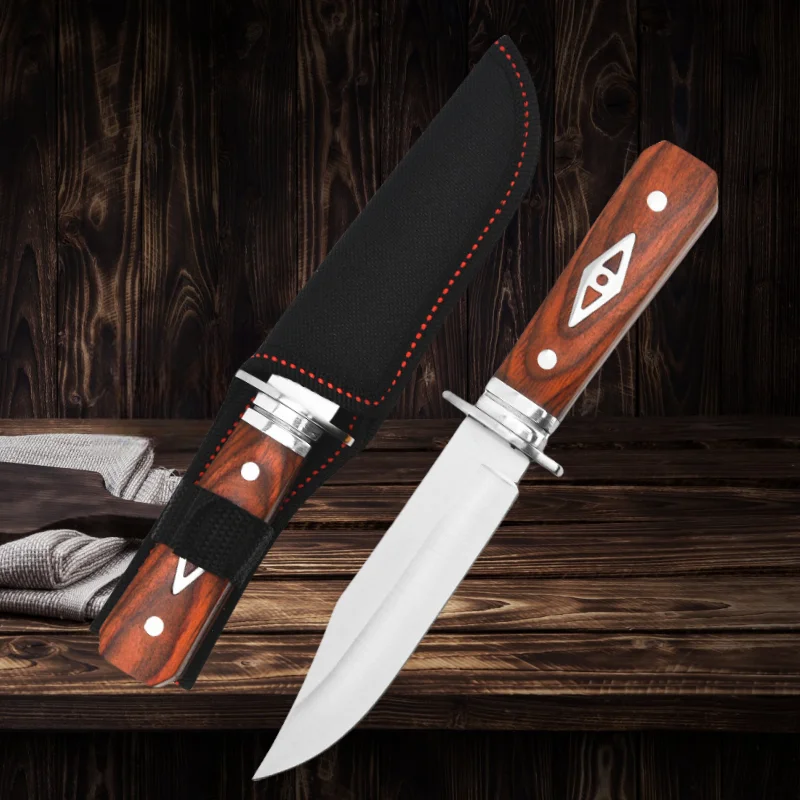
Boning Knife Professional Kitchen Knives Stainless Steel Meat Cleaver Chef Knife Cooking Knives Fruit Knife Kitchen Supplies
Our Boning Knife Professional Kitchen Knives Stainless Steel Meat Cleaver Chef Knife Cooking Knives Fruit Knife Kitchen Supplies offers a reliable balance of sharpness and control for everyday deboning.
Frequently asked questions
What is the best length for a boning knife?
5 to 6 inches is standard. 5 inches offers more control for small cuts, while 6 inches is versatile for larger pieces. Choose based on hand size and typical tasks.
Can I use a boning knife for other kitchen tasks?
Yes, it works well for trimming fat, slicing vegetables, and even filleting fish. Its narrow blade is handy for precision work beyond meat.
How often should I sharpen a boning knife?
Hone before each use to realign the edge. Sharpen on a whetstone every few months, depending on use. Signs of dullness include tearing rather than slicing.
What is the difference between a boning knife and a filleting knife?
Filleting knives are longer and more flexible, designed specifically for fish. Boning knives are shorter and can be stiff or flexible, suited for meat and poultry.
