
Blog
The Best Cooking Utensils for Everyday Home Chefs
Kitchen Essentials
Best Cooking Utensils for Every Home Chef
Finding the best cooking utensils can transform your time in the kitchen. Whether you’re a seasoned cook or just starting out, the right tools make every meal easier and more enjoyable.
Why Quality Cooking Utensils Matter
Your cooking utensils are the workhorses of your kitchen. They stir, flip, scoop, and measure, often enduring high heat and constant use. Investing in well-made utensils means better performance, longer lifespan, and safer cooking. Poor quality tools can scratch pans, melt, or break, turning a pleasant cooking session into a frustrating one.
Beyond durability, the right utensils help you cook more efficiently. A well-balanced spatula flips pancakes with ease, while a sturdy ladle serves soup without dripping. When you have tools that feel good in your hand, you naturally cook with more confidence and precision.
Key Materials: What to Look For
Utensils come in various materials, each with pros and cons. Understanding them helps you choose the best cooking utensils for your needs.
Silicone
Silicone is heat-resistant, non-stick safe, and gentle on cookware. It’s flexible yet sturdy, making it ideal for spatulas and spoons. Look for food-grade silicone that won’t leach chemicals. It’s also easy to clean and often dishwasher safe.
Wood
Wooden utensils are classic and gentle on pans. They don’t conduct heat, so handles stay cool. However, they can absorb odors and require hand washing. Bamboo is a sustainable choice, but ensure it’s well-sealed to prevent cracking.
Stainless Steel
Stainless steel is durable and non-reactive. It’s great for tasks like flipping meat or stirring acidic foods. But it can scratch non-stick surfaces and gets hot if not insulated. Look for riveted handles that stay secure.
Nylon
Nylon is lightweight and heat-resistant up to around 400°F. It’s non-scratch but can melt if left in a hot pan. Choose high-quality nylon with reinforced construction.
Ergonomics and Comfort
Good utensils should feel comfortable in your hand, especially during long cooking sessions. Look for handles with a soft grip or contoured shape that fits naturally. Balanced weight reduces wrist strain. Avoid tools that are too heavy or too light, as they can feel awkward. The best cooking utensils are those you don’t notice while using—they just work seamlessly.
Consider the length of handles too. Longer handles keep your hands away from heat, while shorter ones offer more control. A mix of lengths is useful for different tasks.
Essential Utensils for Every Kitchen
While specialty tools have their place, a solid set of basics covers most cooking needs. Here are the must-haves:
- Spatula: A slotted or solid spatula for flipping and turning. Silicone is great for non-stick pans.
- Ladle: For soups, stews, and sauces. A 6-ounce size is versatile.
- Turner: Ideal for burgers, pancakes, and fragile foods. A thin edge helps slide under items.
- Slotted Spoon: Perfect for lifting foods from liquid, like dumplings or vegetables.
- Measuring Spoons: Essential for accurate ingredient portions. Look for nested sets with clear markings.
- Tongs: Great for flipping, serving, and tossing salads. Choose with scalloped edges for grip.
- Whisk: For blending sauces, eggs, and batters. A balloon whisk incorporates air well.
With these tools, you can handle most recipes without cluttering your drawers.
Caring for Your Utensils
Proper care extends the life of your utensils. Silicone and stainless steel are generally dishwasher safe, but wood and some nylon items should be hand washed. Avoid soaking wooden utensils to prevent warping. Store utensils in a drawer organizer or crock to keep them accessible and prevent damage.
Regularly inspect for signs of wear—melted nylon, cracked wood, or loose handles. Replace any utensil that no longer feels safe or effective.
How Many Utensils Do You Really Need?
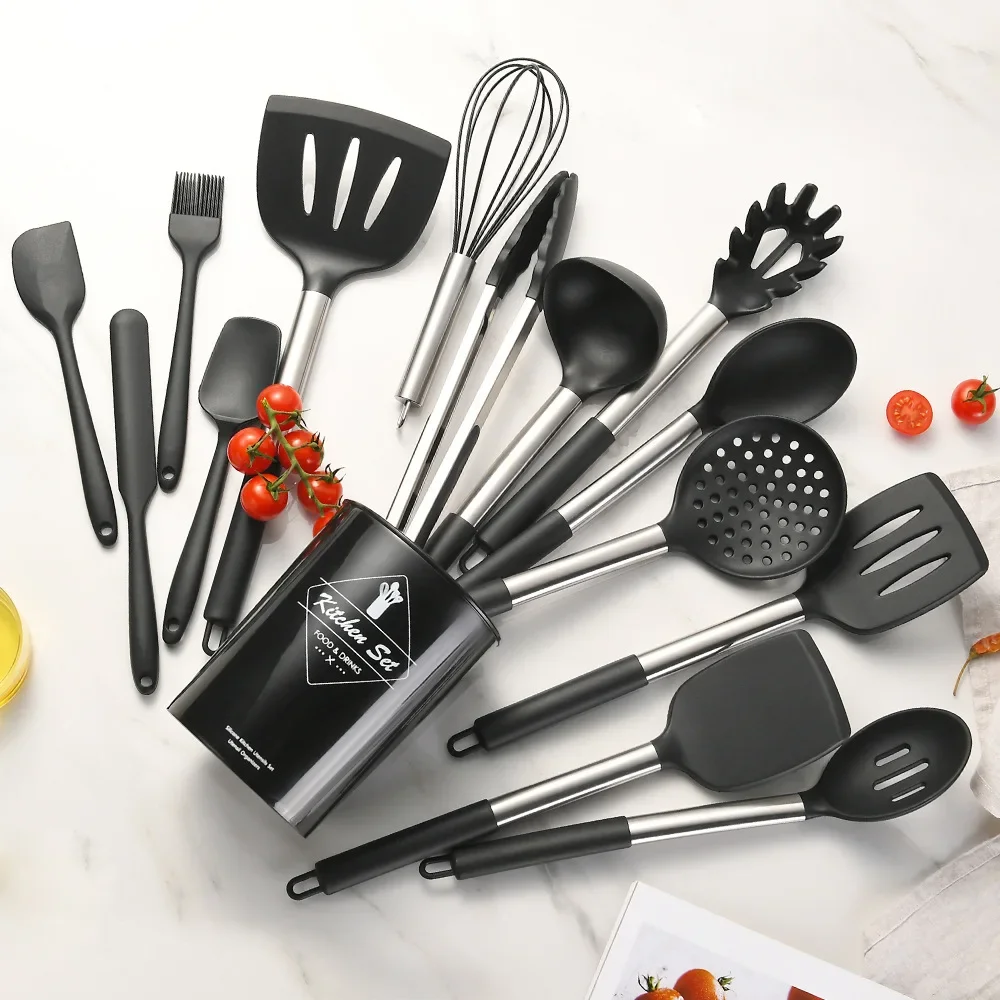
Quality over quantity is key. A well-chosen set of 10-15 pieces covers most cooking tasks. You don’t need a drawer full of gadgets. Focus on versatile tools that you’ll use daily. If you’re starting from scratch, a set like the 12PCS Food Grade Silicone Kitchen Cookware Utensils Turner Spatula Measuring Spoons Practical Cooking Tool Kitchenware Set offers a comprehensive collection that includes spatulas, turners, spoons, and measuring spoons—all in one cohesive bundle.
Having matching utensils also makes your kitchen look organized and tidy. Plus, you save money compared to buying individually.
Budget vs. Investment
You can find cheap utensils at dollar stores, but they often break quickly. Investing a bit more in quality materials pays off. A mid-range set of silicone or stainless steel utensils can last years. The best cooking utensils balance cost and durability—they don’t have to be the most expensive, but they should be well-made.
Think of utensils as a long-term investment in your cooking enjoyment. A few extra dollars now can mean many hassle-free meals later.
Final Thoughts
Choosing the best cooking utensils comes down to your cooking style, cookware, and personal comfort. Prioritize heat resistance, non-scratch materials, and ergonomic handles. A versatile set with essential tools will serve you well for years. Happy cooking!
12PCS Food Grade Silicone Kitchen Cookware Utensils Turner Spatula Measuring Spoons Practical Cooking Tool Kitchenware Set
For a complete start, the 12PCS Food Grade Silicone Kitchen Cookware Utensils Set includes all the essentials like turners, spatulas, and measuring spoons in one practical bundle.
Frequently asked questions
What are the best materials for cooking utensils?
The best materials depend on your cookware. Silicone is non-scratch and heat-resistant, ideal for non-stick pans. Wood is gentle but requires hand washing. Stainless steel is durable but can scratch. Nylon is lightweight but may melt at high heat. For most kitchens, a mix of silicone and wood works well.
How often should I replace my cooking utensils?
Replace utensils when they show signs of wear: melted tips, cracked wood, loose handles, or peeling coatings. High-quality utensils can last years with proper care. Inspect them every few months and replace as needed for safety.
Are silicone utensils safe for high heat?
Yes, food-grade silicone can typically withstand temperatures up to 450°F (232°C) or higher. Always check the manufacturer’s rating. Silicone is safe for stovetop use, but avoid direct flame or prolonged contact with very high heat sources.
Can I use metal utensils on non-stick pans?
It’s not recommended. Metal utensils can scratch and damage the non-stick coating, reducing its lifespan and potentially releasing harmful particles. Use silicone, wood, or nylon utensils to protect your pans.
