
Blog
The Best Kitchen Knife Set for Everyday Cooking
Buying Guide
Choosing the Best Kitchen Knife Set for You
Looking for the best kitchen knife set can feel overwhelming with so many options. But the right set makes every meal prep easier and more enjoyable.
Why a Good Knife Set Matters
A quality kitchen knife set is the backbone of efficient cooking. Dull or poorly balanced knives can turn chopping vegetables into a chore, while sharp, well-designed blades make prep work a pleasure. Whether you’re a home cook or a seasoned chef, investing in a reliable set saves time and reduces frustration. The best kitchen knife set should feel like an extension of your hand, offering comfort and precision with every cut.
Key Knife Types to Look For
Most sets include a chef’s knife, utility knife, and paring knife as staples. A chef’s knife (8–10 inches) handles most tasks—slicing, dicing, mincing. The utility knife (4–7 inches) is great for smaller items like tomatoes or cheese. Paring knives (3–4 inches) excel at peeling and intricate work. Some sets add a serrated bread knife, santoku for push-cutting, or a cleaver for heavy-duty jobs. Consider what you cook most: if you bake, a bread knife is essential; if you prep lots of meat, a cleaver helps.
Chef’s Knife: The Workhorse
The chef’s knife is the most used tool in the kitchen. Look for a blade that tapers evenly from heel to tip, allowing a rocking motion. A comfortable, ergonomic handle reduces fatigue.
Santoku: A Versatile Alternative
Santoku knives have a shorter, wider blade with a flat edge, ideal for push-cutting and mincing. They often have a Granton edge to reduce sticking.
Blade Materials: Stainless Steel vs. Carbon Steel
Stainless steel is popular for its rust resistance and low maintenance. High-carbon stainless steel combines edge retention with stain resistance. Carbon steel takes a sharper edge but requires immediate drying and oiling to prevent rust. For most home cooks, stainless steel is the best kitchen knife set choice because it’s forgiving and easy to care for.
Ceramic blades are lightweight and stay sharp longer but are brittle and prone to chipping. They’re best for slicing fruits and vegetables, not for bones or frozen foods.
Handle Comfort and Balance
A knife should feel balanced in your hand—not blade-heavy or handle-heavy. Common handle materials include wood (classic but needs care), plastic (durable and dishwasher-safe), and metal (modern but can be slippery). Try holding knives if possible; the best kitchen knife set feels natural and secure. Full tang (metal extending through the handle) adds weight and stability.
Knife Maintenance for Longevity
Sharpening is key. Use a honing steel weekly to realign the edge, and sharpen with a whetstone or professional service every few months. Always hand wash knives with mild soap and dry immediately—dishwashers can dull blades and damage handles. Store in a knife block, magnetic strip, or blade guards to protect edges and fingers.
How Many Knives Do You Really Need?
A basic set of 3–5 knives covers most tasks. Avoid large sets with specialty knives you won’t use—they clutter space and waste money. Quality over quantity: a chef’s, utility, and paring knife can handle 90% of cutting. Add a bread knife or cleaver if you frequently bake or break down poultry.
Our Honest Recommendation
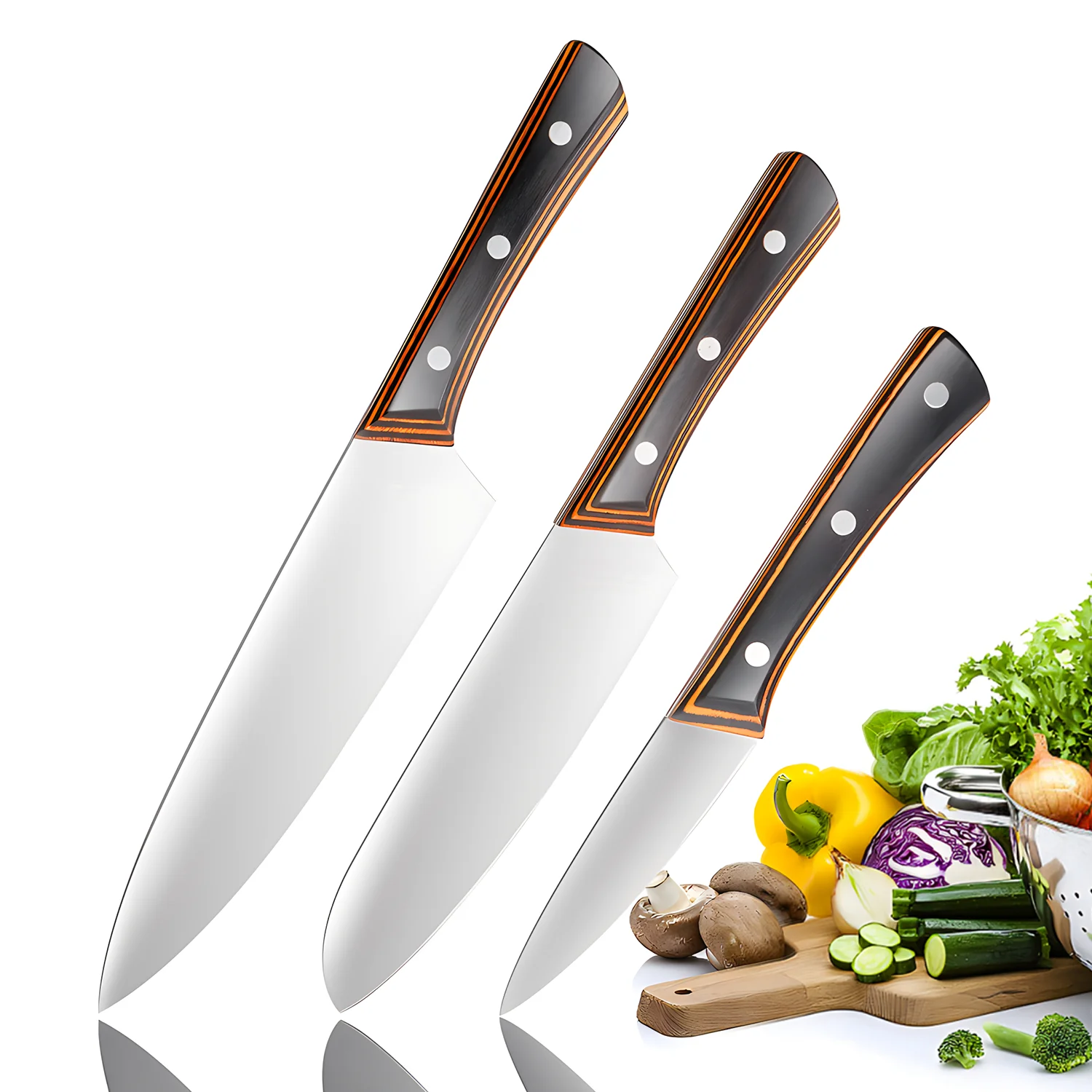
After testing many sets, we found the IOKO Stainless Steel Chef Kitchen Knife Set Butcher Cleaver Chef Utility Santoku Sushi Japanese Style 3 PCS Kitchen Knife Set to be a solid choice for home cooks. It covers the essentials with a chef’s knife, utility knife, and santoku, all in stainless steel with comfortable handles. It’s a practical, no-fuss set that won’t break the bank.
IOKO Stainless Steel Chef Kitchen Knife Set Butcher Cleaver Chef Utility Santoku Sushi Japanese Style 3 PCS Kitchen Knife Set
For a reliable everyday set, the IOKO Stainless Steel Chef Kitchen Knife Set covers the basics with sharp, balanced blades.
Frequently asked questions
What is the best kitchen knife set for beginners?
A 3-piece set with a chef’s knife, utility knife, and paring knife is ideal. Look for stainless steel blades with comfortable handles. Avoid large sets until you know what you need.
How often should I sharpen my kitchen knives?
Hone with a steel every few uses to maintain the edge. Sharpen with a whetstone or professional service every 2–3 months, depending on use.
Can I put kitchen knives in the dishwasher?
No, dishwashers can dull blades, damage handles, and cause rust. Always hand wash with mild soap and dry immediately.
What is the difference between a chef’s knife and a santoku?
A chef’s knife has a curved edge for rocking cuts, while a santoku has a straight edge for push-cutting. Santoku blades are often shorter and wider, with a sheepsfoot tip.
