
Blog
The Best Kitchen Utensils for Everyday Cooking
Buying Guide
Find the Best Kitchen Utensils for Your Home
Finding the best kitchen utensils can transform your cooking experience. Whether you’re a seasoned chef or a home cook, the right tools make every meal a joy to prepare.
Why Quality Kitchen Utensils Matter
Good kitchen utensils are the backbone of efficient cooking. They save time, reduce effort, and ensure consistent results. From flipping pancakes to stirring soups, the right tool can make all the difference. Investing in high-quality utensils means they’ll last for years, providing comfort and reliability every time you cook.
Must-Have Utensils for Every Kitchen
Start with the basics: a sturdy spatula, a slotted spoon, a ladle, and tongs. These four tools cover most cooking tasks. A spatula is perfect for flipping and lifting, while a slotted spoon handles draining and serving. A ladle is essential for soups and sauces, and tongs offer precision for grilling and salads.
Don’t forget a good chef’s knife and a cutting board, but for this guide, we’re focusing on utensils. Consider adding a potato masher, a whisk, and a vegetable peeler to expand your capabilities.
Materials: Stainless Steel, Silicone, or Wood?
Each material has its strengths. Stainless steel is durable, non-reactive, and easy to clean. It’s ideal for high-heat cooking and won’t absorb odors. Silicone is heat-resistant and gentle on non-stick pans, making it great for baking and delicate tasks. Wood is classic and won’t scratch surfaces, but requires more care to avoid cracking.
For most home cooks, a mix of stainless steel and silicone works best. Stainless steel for heavy-duty tasks, silicone for non-stick cookware. Avoid plastic utensils that can melt or warp over time.
Choosing the Right Handle
Long handles keep your hands away from heat, while ergonomic grips reduce fatigue. Look for handles that are securely attached and comfortable to hold. Some utensils come with hanging loops for easy storage.
Key Features to Look For
- Heat resistance: Ensure utensils can handle high temperatures without melting or deforming.
- Dishwasher safety: Saves time on cleanup, but check if the material is dishwasher safe.
- Weight and balance: A well-balanced utensil feels comfortable in hand and doesn’t tip over.
- Versatility: Multi-purpose tools like a slotted spatula can perform several tasks.
How to Care for Your Utensils
Proper care extends the life of your kitchen tools. Hand wash wooden utensils and dry immediately to prevent cracking. Stainless steel and silicone can go in the dishwasher, but avoid high heat cycles that might damage silicone. Store utensils in a drawer or container with dividers to prevent scratching.
When to Replace Old Utensils
Signs it’s time for new utensils: melted edges, rust, cracks, or loose handles. Worn-out tools can harbor bacteria or fail during cooking. Replace them promptly to maintain safety and efficiency.
Final Tips for Building Your Collection
Start with a few high-quality essentials and add as needed. Avoid buying sets that include pieces you won’t use. Focus on utensils that match your cooking style—if you bake often, prioritize silicone spatulas and whisks. If you stir-fry regularly, a long-handled spoon is invaluable.
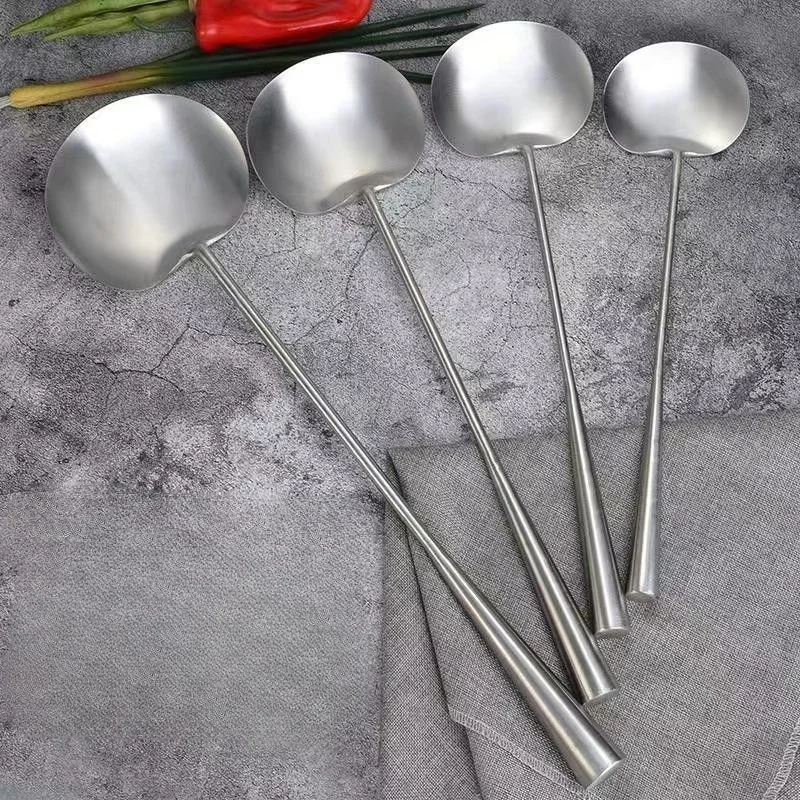
Stainless Steel Cooking Spoon, Food Grade Soup Spoons, Chef Household Tableware, Long Handle Kitchen Utensils, Stir-Fry
For a reliable everyday option, consider the Stainless Steel Cooking Spoon from Goldoma—it’s food-grade, long-handled, and perfect for stir-frying.
Frequently asked questions
What are the most essential kitchen utensils for beginners?
Beginners should start with a spatula, slotted spoon, ladle, and tongs. These four tools cover most cooking tasks and are versatile for various recipes.
Can I use metal utensils on non-stick pans?
It’s best to avoid metal utensils on non-stick pans as they can scratch the coating. Use silicone, wood, or plastic utensils instead to protect the surface.
How often should I replace kitchen utensils?
Replace utensils when you notice signs of wear like melting, rust, cracks, or loose handles. High-quality utensils can last several years with proper care.
Are silicone utensils safe for high-heat cooking?
Yes, most silicone utensils are heat-resistant up to 600°F, making them safe for stovetop cooking. However, avoid direct contact with open flames.
