
Blog
The Ultimate Guide to Stainless Steel Cooking Utensils
Kitchen Essentials
Choose Durable Stainless Steel Cooking Utensils
When it comes to outfitting your kitchen, stainless steel cooking utensils are a timeless choice that combines durability with performance. Whether you’re a seasoned chef or a home cook, these tools offer reliability and ease of use.
Why Stainless Steel Cooking Utensils?
Stainless steel cooking utensils are a staple in many kitchens for good reason. They are incredibly durable, resistant to rust and corrosion, and do not react with acidic foods. Unlike some other materials, stainless steel won’t leach chemicals into your meals, making it a safe and healthy choice for everyday cooking.
Types of Stainless Steel Utensils
From spatulas to soup spoons, the variety of stainless steel utensils is vast. Here are some common types you might consider:
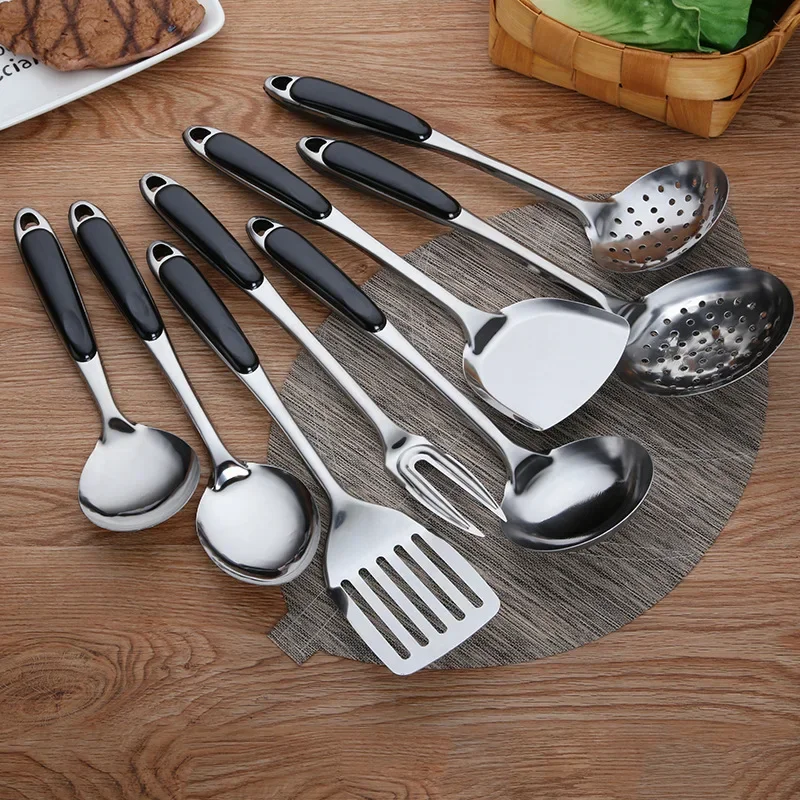
- Spatulas: Perfect for flipping pancakes, eggs, and burgers. Look for slotted designs for draining excess oil.
- Soup Spoons: Ideal for serving soups and stews. A deep bowl shape ensures easy scooping.
- Shovels (Turners): Great for lifting and turning food without scratching your cookware.
- Rice Spoons: Designed to serve rice without crushing it, often with a flat, wide shape.
Key Features to Look For
When shopping for stainless steel utensils, consider these features:
- Thickness: Thicker utensils are less likely to bend under pressure. Look for options labeled ‘thickened’ for added durability.
- Anti-Scalding Handles: Handles that stay cool to the touch are a must for comfortable cooking. Some designs include silicone or wooden grips.
- Weight and Balance: A well-balanced utensil feels comfortable in your hand and reduces fatigue during extended use.
- Finish: A brushed finish hides fingerprints better than a mirror polish, while a smooth surface is easier to clean.
Benefits Over Other Materials
Compared to plastic or wooden utensils, stainless steel offers distinct advantages:
- Hygiene: Stainless steel is non-porous and does not harbor bacteria, unlike wood.
- Heat Resistance: It can withstand high temperatures without melting or warping, unlike plastic.
- Longevity: With proper care, stainless steel utensils can last for decades, making them a cost-effective choice.
Caring for Your Stainless Steel Utensils
To keep your utensils looking their best, follow these care tips:
- Hand Wash Recommended: While many are dishwasher safe, hand washing with mild soap and water preserves the finish.
- Dry Immediately: Prevent water spots by drying with a soft cloth after washing.
- Avoid Abrasive Cleaners: Use non-abrasive sponges to avoid scratching the surface.
- Store Carefully: Keep utensils in a drawer or holder to prevent scratches from other metal tools.
How to Choose the Right Set
Consider your cooking habits when selecting a set. If you frequently prepare stir-fries, a slotted spatula and a soup spoon might be essential. For baking, a solid spatula and a dough scraper are useful. Many sets include a variety of tools to cover most needs. Look for sets that include a rice spoon and a frying shovel if you cook Asian cuisine often.
Environmental Impact
Stainless steel is 100% recyclable, making it an eco-friendly choice. Unlike plastic utensils that end up in landfills, stainless steel can be melted down and repurposed indefinitely. By choosing durable stainless steel, you reduce waste and invest in tools that last.
Kitchen Utensils Stainless Steel Spatula Soup Spoon Shovel Thickened Anti-scalding Rice Spoon Frying Shovel Utensils Kitchen
For a reliable set that includes a thickened, anti-scalding rice spoon and frying shovel, consider the Kitchen Utensils Stainless Steel Spatula Soup Spoon Shovel set.
Frequently asked questions
Are stainless steel utensils safe for non-stick pans?
Yes, but use caution. Stainless steel utensils with rounded edges are less likely to scratch non-stick coatings. Avoid using sharp or serrated edges.
Can stainless steel utensils go in the dishwasher?
Most are dishwasher safe, but hand washing is recommended to prevent water spots and maintain the finish. Check the manufacturer’s instructions.
Do stainless steel utensils react with acidic foods?
No, stainless steel is non-reactive, meaning it won’t alter the taste or color of acidic foods like tomatoes or citrus.
How do I remove stains from stainless steel utensils?
Soak in a mixture of vinegar and water, then scrub with a non-abrasive pad. For stubborn stains, use a stainless steel cleaner.
