
Blog
The Ultimate Guide to Choosing an Upholstered Bench
Buying Guide
How to Choose the Perfect Upholstered Bench
An upholstered bench can transform a hallway, bedroom, or dining nook into a cozy and functional space. Whether you need extra seating or a stylish accent piece, this guide will help you make the right choice.
Why Choose an Upholstered Bench?
An upholstered bench offers comfort and versatility that hard benches simply can’t match. It invites you to sit down, take off your shoes, or linger over a meal. The padded surface softens the look of a room and adds a layer of warmth. Whether placed at the foot of a bed, in an entryway, or under a window, it becomes a natural gathering spot. Plus, the wide range of fabrics and colors means you can find one that perfectly complements your decor.
Key Considerations for Your Upholstered Bench
Before you start shopping, think about where the bench will go and how it will be used. Measure the space carefully—both length and width—to ensure a good fit. Consider the traffic flow: an entryway bench should leave enough room to open the door, while a dining bench needs to slide under the table. Also, decide on the primary function: is it for seating, storage, or purely decorative? This will guide your choices on size, style, and features.
Size and Proportions
Standard bench lengths range from 36 to 60 inches. A 47-inch bench, for instance, comfortably seats two people. Height matters too: most benches are 18 to 20 inches high, similar to a standard chair seat. For dining, ensure the bench height matches your table height—typically 18-19 inches for a 30-inch table. Leave at least 12 inches of knee room between the bench and table edge.
Materials and Construction
The durability of an upholstered bench depends on its frame, padding, and fabric. Solid wood frames (like rubberwood or pine) offer stability, while engineered wood may be lighter but less durable. Look for a bench with reinforced corner blocks and strong joinery. The foam density determines comfort: high-density foam holds its shape longer, while softer foam feels plush but may sag. For the fabric, consider your lifestyle—pet owners might prefer performance fabrics that resist stains and scratches.
Styles and Design Ideas
From modern to farmhouse, an upholstered bench can fit any aesthetic. A bench with clean lines and a neutral fabric blends into a minimalist space, while a tufted velvet bench adds glamour. For a boho vibe, choose a bench with a colorful abstract pattern. The legs also play a role: wooden legs give a warm, natural look, while metal legs feel industrial. Don’t be afraid to mix materials—a bench with a patterned seat and painted legs becomes a focal point.
Where to Place an Upholstered Bench
- Entryway: A bench with a lower back (or no back) keeps the space open. Add hooks above for coats and a basket underneath for shoes.
- Bedroom: Place at the foot of the bed for a place to sit while dressing. A bench with storage can hold extra blankets or pillows.
- Dining Room: Use one or two benches on one side of the table for a casual, space-saving setup. Pair with chairs on the other side for contrast.
- Living Room: A bench can serve as extra seating or a coffee table with a tray on top. Position it against a wall or under a window.
Caring for Your Upholstered Bench
Regular maintenance keeps your bench looking fresh. Vacuum the fabric weekly to remove dust and debris. Blot spills immediately with a clean cloth—don’t rub, as it can set the stain. For deeper cleaning, check the fabric label: many are spot-clean only. Avoid placing the bench in direct sunlight to prevent fading. Rotate cushions if they are removable to even out wear. With proper care, a quality upholstered bench can last for years.
For more on fabric types, see this Wikipedia article on upholstery.
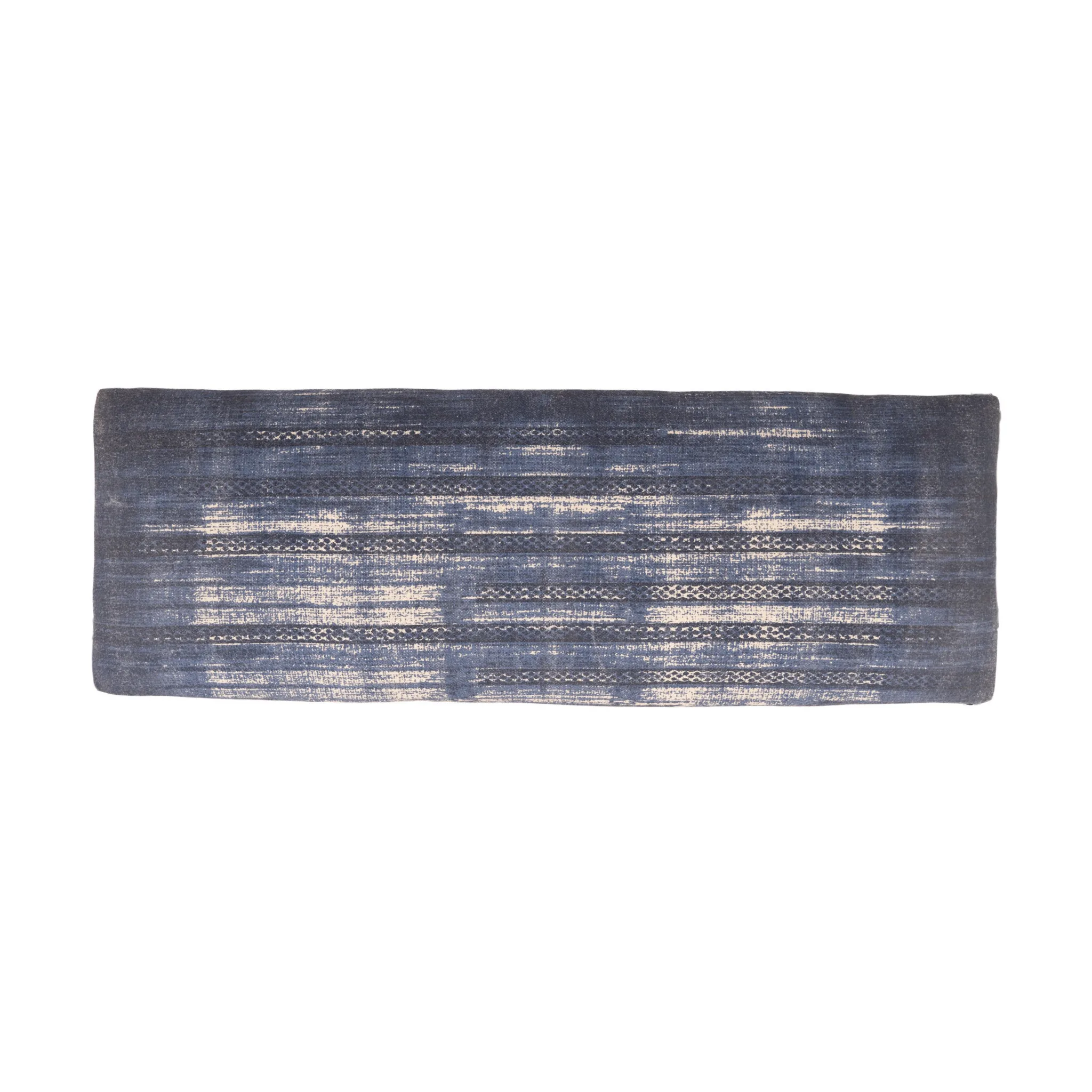
Goldoma 47″ Upholstered Bench with Blue and Cream Abstract Design and Blue Legs
For a stylish and durable option, consider the Goldoma 47″ Upholstered Bench with Blue and Cream Abstract Design and Blue Legs, which combines a sturdy wood frame with high-density foam and a vibrant pattern.
Frequently asked questions
What is the best height for an upholstered bench?
Standard seat height is 18–20 inches, matching most dining chairs. For entryways, 18 inches is comfortable for sitting to remove shoes. Measure your table or space to ensure proper fit.
How do I clean an upholstered bench?
Vacuum weekly. Blot spills immediately with a damp cloth; avoid rubbing. For stains, use a mild upholstery cleaner and test on a hidden area first. Many fabrics are spot-clean only.
Can an upholstered bench be used outdoors?
No, most upholstered benches are designed for indoor use. Outdoor fabrics like solution-dyed acrylic exist, but the foam and frame must be weather-resistant. Look for specific outdoor-rated models.
How much weight can an upholstered bench hold?
Weight capacity varies by construction. Most benches support 250–300 pounds per seat. A 47-inch bench typically holds up to 500 pounds total. Check the manufacturer’s specifications.