
Blog
How to Choose a Vintage Sideboard for Your Home
Buying Guide
Your Guide to the Perfect Vintage Sideboard
A vintage sideboard is more than just storage—it’s a statement piece that brings warmth and history to any room. Whether you’re a seasoned collector or a first-time buyer, this guide will help you find the right one.
Why a Vintage Sideboard Deserves a Place in Your Home
A vintage sideboard isn’t just furniture; it’s a conversation starter. Its timeless appeal lies in the craftsmanship and stories embedded in the wood. Unlike modern mass-produced pieces, a vintage sideboard often features unique details like hand-carved motifs or aged patina that add character to your dining room or living area. It’s a practical storage solution that doubles as a display space for your favorite decor.
Key Styles of Vintage Sideboards
When shopping for a vintage sideboard, you’ll encounter several styles. Mid-century modern pieces offer clean lines and tapered legs, while Art Deco sideboards boast geometric patterns and rich veneers. For a rustic touch, farmhouse-style sideboards with distressed finishes and paneled doors are popular. Each style brings a different energy, so consider your existing decor. A sideboard can anchor a room, so choose one that complements your aesthetic.
Materials and Craftsmanship to Look For
The quality of a vintage sideboard often depends on the materials. Solid wood like oak, walnut, or mango wood is durable and ages beautifully. Look for dovetail joints in drawers and sturdy hardware. Mango wood, in particular, is known for its durability and rich grain patterns. If you find a piece with original brass handles or hand-carved details, it’s a sign of quality craftsmanship. Avoid pieces with significant water damage or structural issues unless you’re prepared for restoration.
Size and Proportion: Getting It Right
Measure your space before buying a vintage sideboard. A standard sideboard is about 30-36 inches tall, 48-60 inches wide, and 18-20 inches deep. Leave at least 36 inches of clearance around it for easy movement. For smaller rooms, consider a narrower design or one with a lighter visual weight, such as a piece with legs instead of a solid base. Remember, a vintage sideboard should complement the room, not overwhelm it.
Storage and Functionality Needs
Think about what you’ll store: dinnerware, linens, or barware? A vintage sideboard with adjustable shelves offers flexibility for different items. Drawers are great for cutlery and small accessories, while cabinets can hide larger pieces. Some vintage sideboards feature a hutch top for additional display space. Prioritize your storage needs to ensure the piece is both beautiful and practical.
Where to Find Authentic Vintage Sideboards
You can find vintage sideboards at antique shops, estate sales, flea markets, and online marketplaces. Each source has its pros and cons. Antique shops often have curated selections but higher prices. Estate sales can yield bargains, but you’ll need to inspect carefully. Online, look for detailed photos and descriptions. Ask about the piece’s history and any restorations. Patience is key—the perfect vintage sideboard is worth the search.
Maintenance Tips for Longevity
To keep your vintage sideboard looking its best, dust regularly with a soft cloth. Avoid harsh chemicals; use a mild soap and water solution for cleaning. Waxing the wood every few months helps preserve the finish. Keep it away from direct sunlight and heat sources to prevent fading and cracking. With proper care, a vintage sideboard can last for generations.
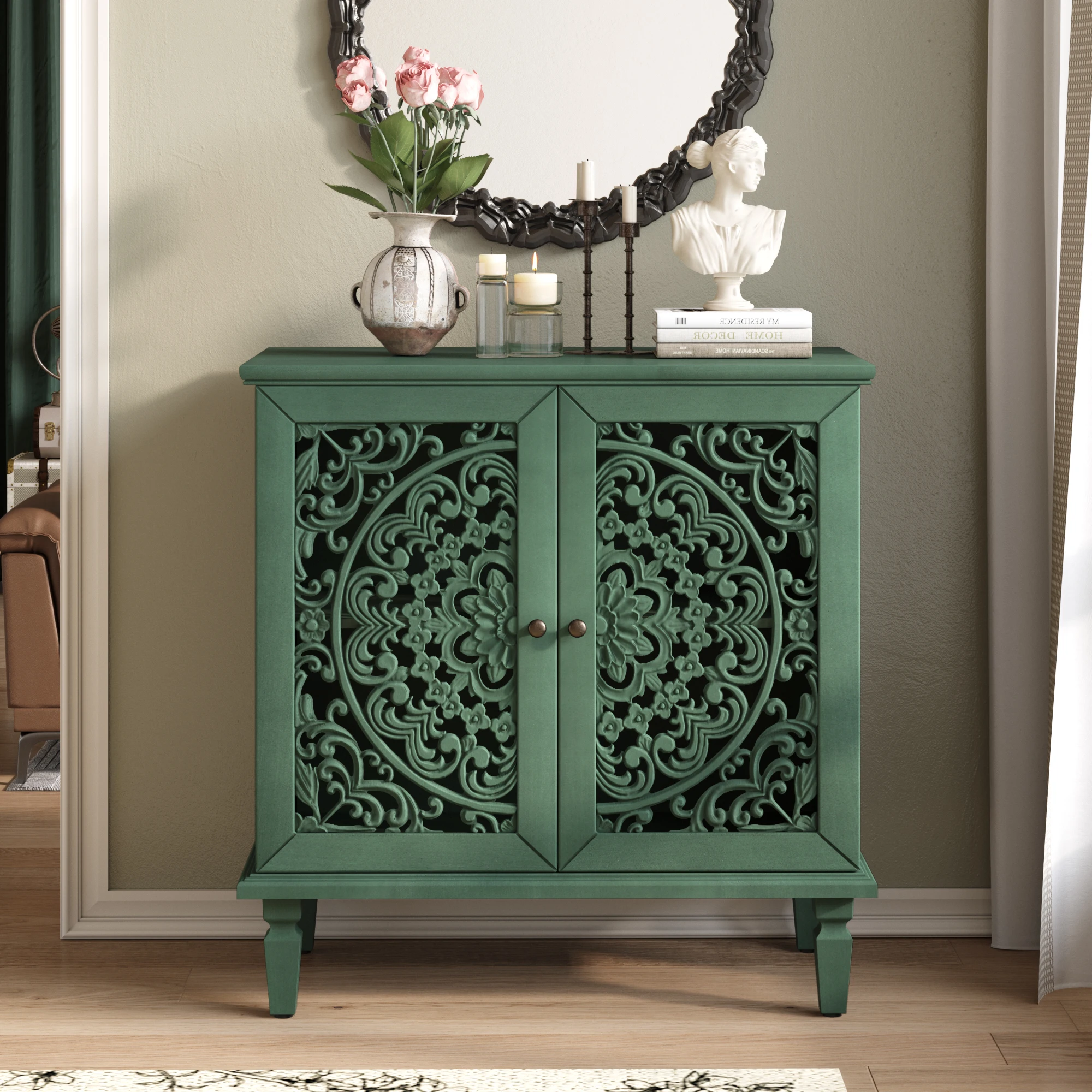
Vintage 2-Door Sideboard with Symmetrical Floral Design Hollow-Carved Mango Wood Accent Cabinet Rustic Style Adjustable Shelf
If you’re drawn to intricate details, our Vintage 2-Door Sideboard with Symmetrical Floral Design Hollow-Carved Mango Wood Accent Cabinet offers that handcrafted charm with a rustic finish.
Frequently asked questions
What is the difference between a vintage sideboard and a buffet?
A sideboard is typically taller and used in dining rooms for serving and storage, while a buffet is lower and often used for buffet-style meals. However, the terms are sometimes used interchangeably.
How do I know if a vintage sideboard is authentic?
Look for signs of age like patina, wear on the legs, and original hardware. Check for dovetail joints and solid wood construction. Ask the seller for provenance if possible.
Can a vintage sideboard be used in a modern home?
Absolutely. A vintage sideboard adds warmth and character to modern interiors. It can serve as a focal point or blend with eclectic decor.
What should I look for when inspecting a vintage sideboard online?
Request detailed photos of the interior, back, and underside. Ask about any repairs or restorations. Check the dimensions carefully and compare with your space.