
Blog
The Charm of a Vintage Stoneware Coffee Mug
Buying Guide
Find Your Perfect Vintage Stoneware Coffee Mug
A vintage stoneware coffee mug isn’t just a vessel for your morning brew—it’s a companion that warms your hands and soul. Whether you’re a collector or a casual sipper, finding the right one can transform your daily ritual.
Why Choose a Vintage Stoneware Coffee Mug?
There’s something inherently grounding about drinking from a vintage stoneware coffee mug. Unlike modern mass-produced ceramics, stoneware offers a heft and durability that feels substantial in your hands. The material is fired at high temperatures, making it resistant to chips and cracks—perfect for daily use. A vintage stoneware coffee mug also retains heat longer than thinner porcelain, keeping your coffee warm sip after sip. Beyond function, these mugs carry a sense of history and craftsmanship, often featuring unique glazes and handmade imperfections that tell a story.
What to Look for in a Vintage Stoneware Coffee Mug
When shopping for a vintage stoneware coffee mug, consider the following criteria to ensure you get a piece that’s both beautiful and functional.
- Weight and Balance: A good mug should feel balanced when full. Pick it up and imagine it with coffee—does it feel too heavy or awkward?
- Glaze Quality: Look for smooth, even glazes without cracks (crazing) that could harbor bacteria. Some wear is acceptable, but avoid deep cracks or chips.
- Size and Shape: Standard coffee mugs hold 8–12 oz. Consider your morning routine: do you prefer a smaller espresso-style cup or a generous 12-ounce mug?
- Handle Comfort: The handle should fit your fingers comfortably. Try it with a full hand or just two fingers, depending on your grip.
- Origin and Age: Vintage mugs from the mid-20th century often have distinct styles. Look for stamps or signatures on the bottom to identify the maker and era.
Caring for Your Vintage Stoneware Coffee Mug
To keep your vintage stoneware coffee mug in pristine condition, follow these care tips. Hand washing is recommended to preserve the glaze and prevent thermal shock from dishwashers. Avoid sudden temperature changes—don’t pour boiling water into a cold mug. For stubborn stains, use a paste of baking soda and water. Store mugs separately or with soft dividers to prevent scratching. With proper care, your mug can last for decades.
The Aesthetic Appeal of Vintage Stoneware
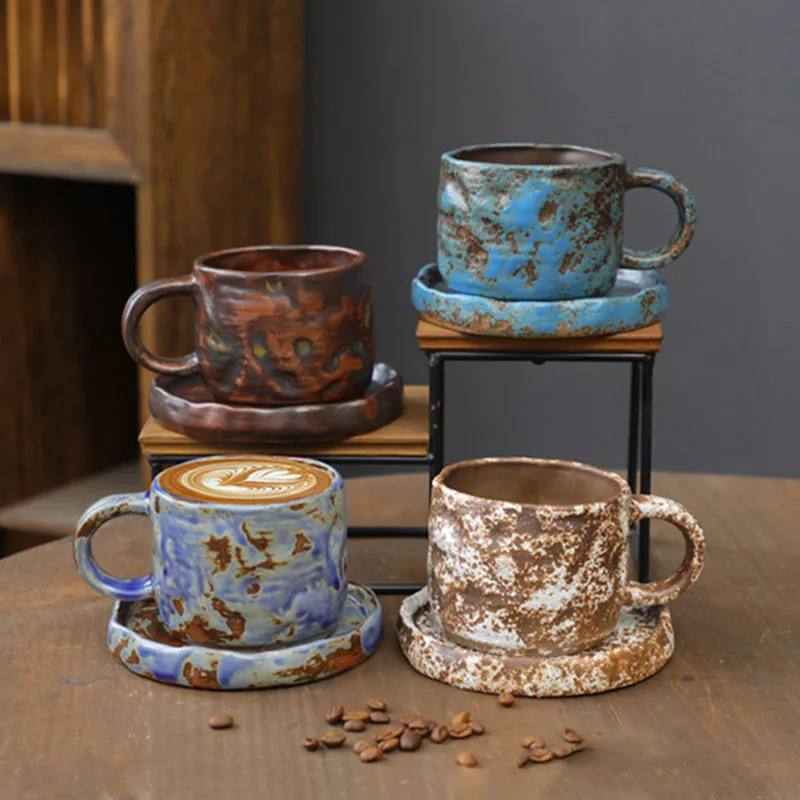
Part of the joy of owning a vintage stoneware coffee mug is its visual charm. These mugs often feature earthy tones—browns, greens, blues—and organic shapes that modern design often lacks. The glaze may have subtle variations, drips, or speckles that make each piece one-of-a-kind. Whether displayed on a shelf or used daily, a vintage stoneware mug adds a touch of rustic elegance to your kitchen. For more on the history of stoneware, visit Wikipedia’s article on stoneware.
Where to Find Authentic Vintage Stoneware Mugs
You can find vintage stoneware coffee mugs at thrift stores, estate sales, antique shops, and online marketplaces. When buying online, ask for photos of the bottom and any flaws. Look for terms like “stoneware,” “vintage,” and specific maker names like McCoy, Hull, or Red Wing. Prices vary widely—from a few dollars to hundreds for rare pieces. Start with affordable finds to build your collection, then invest in higher-quality pieces over time.
Pairing Your Mug with the Perfect Coffee
A vintage stoneware coffee mug pairs beautifully with a medium roast or a bold dark roast. The mug’s thick walls insulate the coffee, allowing you to savor the aroma and flavor. Some enthusiasts even claim that the clay finish can influence the taste, much like a wine glass. Experiment with different roasts and brewing methods to find your perfect match. For a deeper dive into coffee pairings, this National Coffee Association guide offers excellent tips.
Why Stoneware Is a Sustainable Choice
Investing in a vintage stoneware coffee mug is an eco-friendly decision. By choosing vintage, you’re reducing demand for new production and keeping durable goods out of landfills. Stoneware itself is a natural material—clay, feldspar, and quartz—fired without harmful chemicals. Many vintage mugs are lead-free, but if you’re unsure, test kits are available. A single vintage mug can replace dozens of disposable cups, making it a small but meaningful step toward sustainability.
Final Thoughts on Your Vintage Stoneware Coffee Mug
Whether you’re drawn to the nostalgia, the craftsmanship, or the simple pleasure of a warm cup in your hands, a vintage stoneware coffee mug is a worthy addition to your daily life. Take your time to find one that speaks to you—it will become a cherished part of your morning routine.
Japanese Ceramic Coffee Mug Saucer Vintage Stoneware Breakfast Oat Mug Creative Afternoon Camellia Flower Tea Cup Home Water Cup
For a beautifully crafted option, consider our Japanese Ceramic Coffee Mug Saucer Vintage Stoneware Breakfast Oat Mug, which combines traditional aesthetics with everyday practicality.
Frequently asked questions
Are vintage stoneware mugs safe to drink from?
Most vintage stoneware mugs are safe if they are in good condition with no cracks or crazing. However, some older glazes may contain lead. If you’re unsure, use a lead test kit or reserve the mug for display.
How can I tell if a mug is genuine vintage stoneware?
Look for maker’s marks on the bottom, weight (stoneware is heavier than earthenware), and signs of age like wear on the bottom rim. Authentic vintage mugs often have a distinct ring when tapped and a matte or semi-gloss glaze.
Can I use vintage stoneware in the microwave?
It depends on the mug. Some vintage stoneware may contain metal particles in the glaze, which can spark. Test by microwaving a cup of water in the mug for 30 seconds. If the mug gets hot but the water stays cool, avoid using it in the microwave.
What is the average price of a vintage stoneware coffee mug?
Prices range from $5 at thrift stores to $100 or more for rare pieces from renowned makers like McCoy or Roseville. Condition, rarity, and aesthetics all influence value.
