
Blog
Volcanic Stone Plate Buying Guide: Natural Elegance
Buying Guide
The Allure of the Volcanic Stone Plate
A volcanic stone plate brings raw, natural texture to your dining experience. Whether you’re serving sushi, steak, or appetizers, this guide helps you choose the right one.
Why Choose a Volcanic Stone Plate?
Volcanic stone, also known as lava stone, is formed from cooled molten lava. It is naturally porous, lightweight, and incredibly heat-resistant. A volcanic stone plate retains heat exceptionally well, keeping your food warm longer. Its dark, matte surface provides a striking contrast for vibrant dishes, making it a favorite among chefs and home entertainers.
Heat Retention and Serving Versatility
One of the standout features of a volcanic stone plate is its ability to hold heat. Preheat the plate in the oven (up to 400°F) or under hot water, and it will keep steak sizzling or sushi at the perfect temperature for an extended period. This makes it ideal for both hot and cold dishes. For cold presentations, chill the plate to keep seafood and salads crisp.
Durability and Care
Volcanic stone is naturally tough, but it can chip if dropped. Avoid sudden temperature changes to prevent cracking. Clean your volcanic stone plate with mild soap and water; avoid abrasive cleaners that can damage the porous surface. Some plates are dishwasher safe, but hand washing is recommended to preserve the natural finish.
Aesthetic Appeal and Table Setting
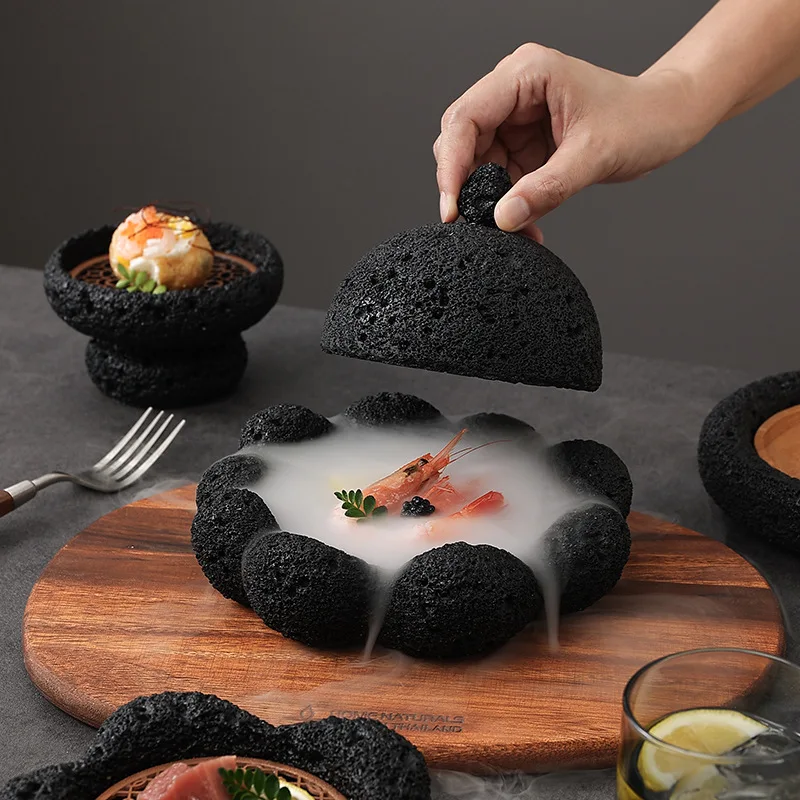
The unique texture of each volcanic stone plate means no two are exactly alike. The dark, earthy tones complement modern, rustic, or minimalist table settings. Use them as individual serving plates for appetizers, sushi, or desserts. For a dramatic presentation, pair with wooden or ceramic serving pieces. Learn more about lava rock formation.
Styling Ideas
- Use for sushi or sashimi to highlight the colors of the fish.
- Serve grilled steak or vegetables directly on the hot plate.
- Present cheese or charcuterie for an earthy, elegant look.
Size and Shape Considerations
Volcanic stone plates come in various shapes—round, rectangular, or irregular organic forms. Consider the type of food you serve most often. Large rectangular plates work well for sushi rolls or multiple appetizers, while small round plates are perfect for individual desserts. The weight of the plate also matters; heavier plates feel more substantial but may be harder to handle.
Comparing Volcanic Stone to Other Materials
Unlike ceramic or porcelain, volcanic stone is naturally non-glazed and porous, giving it a matte finish that doesn’t reflect light. It is more heat-resistant than glass or wood. However, it is heavier than plastic or melamine. For those seeking an authentic, natural dining experience, a volcanic stone plate is unmatched. If you’re looking for a specific style, the Japanese Tableware Rock Sushi Plate Coal Ball Volcanic Stone Swing Plate Steak Plate Hotel Creative Dining Plate Sushi Dish offers a unique swing design that adds movement to your table.
Where to Buy and What to Look For
When purchasing a volcanic stone plate, inspect for cracks or uneven surfaces. Check if the plate is food-safe and lead-free. Many plates are sourced from regions with volcanic activity, such as Indonesia or Italy. Look for a retailer that provides detailed product descriptions and care instructions. Buying online? Read reviews about the plate’s weight and heat retention capabilities.
Japanese Tableware Rock Sushi Plate Coal Ball Volcanic Stone Swing Plate Steak Plate Hotel Creative Dining Plate Sushi Dish
For a stunning presentation, consider the Japanese Tableware Rock Sushi Plate Coal Ball Volcanic Stone Swing Plate Steak Plate Hotel Creative Dining Plate Sushi Dish, which adds a playful swing element to your dining experience.
Frequently asked questions
Can I use a volcanic stone plate in the oven?
Yes, most volcanic stone plates can be preheated in the oven up to 400°F. Always check the manufacturer’s guidelines to avoid thermal shock.
Is volcanic stone safe for food?
Yes, volcanic stone is naturally non-toxic and food-safe. Ensure the plate is sealed or glazed if you plan to use it with acidic foods, as the porous surface can absorb flavors.
How do I clean a volcanic stone plate?
Hand wash with mild soap and warm water. Avoid abrasive sponges or harsh chemicals. For stubborn residue, use a paste of baking soda and water.
Does volcanic stone retain odors?
Because it is porous, volcanic stone can absorb strong odors from foods like fish or garlic. To remove odors, wipe with a mixture of lemon juice and water, then rinse thoroughly.
