
Blog
Wabi Sabi Chandelier: Embrace Imperfect Beauty
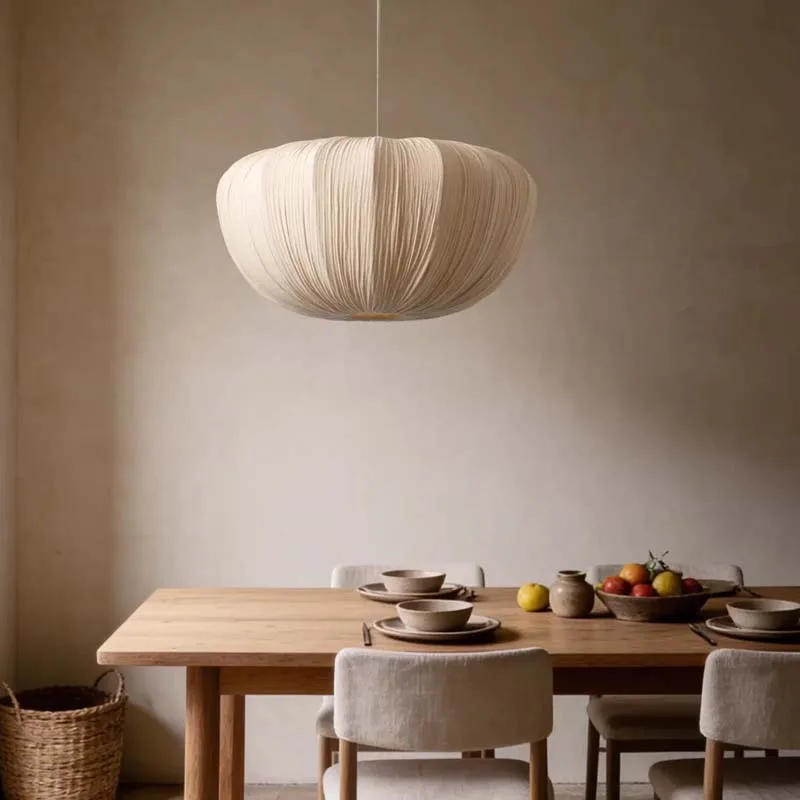
Design Philosophy
Wabi Sabi Chandelier: Finding Beauty in Imperfection
A wabi sabi chandelier is more than a light source; it’s an invitation to slow down and appreciate the beauty of imperfection. In a world obsessed with perfection, these fixtures remind us that true elegance lies in the natural, the weathered, and the handmade.
What is a Wabi Sabi Chandelier?
At its core, a wabi sabi chandelier embodies the Japanese aesthetic of wabi-sabi, which finds beauty in imperfection, impermanence, and incompleteness. Unlike the polished, symmetrical chandeliers of traditional design, these pieces celebrate asymmetry, natural textures, and the passage of time. They often feature materials like wood, paper, linen, or clay, and their forms may be deliberately irregular or rustic.
The philosophy of wabi-sabi has deep roots in Japanese culture, influencing everything from tea ceremonies to architecture. When applied to lighting, it creates a serene, grounded atmosphere that feels both organic and intentional.
Why Choose a Wabi Sabi Chandelier for Your Home
In a fast-paced world filled with mass-produced perfection, a wabi sabi chandelier offers a quiet counterpoint. It brings a sense of calm and authenticity to any room, making it a perfect choice for those who value mindfulness and simplicity.
- Unique Character: Each piece is subtly different, ensuring your chandelier is one-of-a-kind.
- Natural Warmth: Materials like wood and fabric soften the light, creating a cozy, inviting glow.
- Timeless Appeal: These fixtures don’t follow fleeting trends; they age gracefully and become more beautiful over time.
Whether your style is minimalist, bohemian, or farmhouse, a wabi sabi chandelier can anchor your space with understated elegance.
Key Elements of Wabi Sabi Lighting
To truly capture the spirit of wabi sabi in a chandelier, look for these essential elements:
- Natural Materials: Wood, bamboo, paper, linen, or clay are common. These materials age beautifully and carry the touch of nature.
- Imperfect Shapes: Asymmetry, irregular edges, and handcrafted details are celebrated.
- Earthy Tones: Muted, natural colors like beige, brown, and off-white dominate, allowing the texture to shine.
- Soft Lighting: The goal is to diffuse light gently, creating a relaxed and intimate ambiance.
How It Differs from Minimalist or Rustic Styles
While minimalism focuses on stripping away the non-essential, wabi sabi goes further by embracing the marks of use and time. Rustic style may use similar materials, but wabi sabi is more about the philosophy of transience and the beauty of the imperfect.
How to Style a Wabi Sabi Chandelier in Different Rooms
One of the great strengths of a wabi sabi chandelier is its versatility. It can be the focal point of a room or a subtle complement to the existing decor.
- Living Room: Hang it above a coffee table or seating area to create a cozy gathering spot. Pair with natural fiber rugs and linen sofas.
- Dining Room: Position it over the dining table to cast a warm, flattering light on meals. Combine with ceramic tableware and wooden furniture.
- Bedroom: Use it as a serene alternative to harsh overhead lights. The soft glow promotes relaxation and restful sleep.
Remember, the chandelier should feel like a natural part of the room, not a jarring contrast. Let it coexist with other imperfect, handcrafted items.
Choosing the Right Size and Placement
Getting the scale right is crucial for any chandelier. A wabi sabi chandelier that’s too small may get lost, while one that’s too large can overwhelm the space.
- Measure Your Room: Add the length and width of the room (in feet). The sum in inches gives you a good diameter range for the chandelier.
- Consider Ceiling Height: For standard 8-foot ceilings, hang the chandelier about 30 inches above the table or floor. Add 3 inches for each additional foot of ceiling height.
- Think About Sightlines: Ensure the chandelier doesn’t obstruct views or doorways. It should be visible but not in the way.
Lighting Layers
A chandelier shouldn’t be your only light source. Combine it with floor lamps, sconces, or table lamps to create a layered lighting scheme that can be adjusted for different moods.
Materials and Craftsmanship: What to Look For
Quality matters in a wabi sabi chandelier. Look for fixtures made by artisans who take pride in their work.
- Wood: Reclaimed wood or bamboo adds character and sustainability.
- Fabric: Linen or cotton shades diffuse light beautifully and feel soft to the touch.
- Metal: Black iron or aged brass can provide a rustic contrast to natural materials.
- Handmade Details: Visible joinery, slightly uneven edges, and hand-painted finishes are signs of authenticity.
These details not only make the chandelier more beautiful but also ensure it will last for years, aging with grace.
Maintenance and Longevity
Wabi sabi is about accepting impermanence, but that doesn’t mean you should neglect your chandelier. With proper care, it will continue to bring beauty to your home.
- Dust Regularly: Use a soft, dry cloth to gently remove dust from surfaces and shades.
- Clean Carefully: For fabric shades, use a vacuum with a brush attachment or a lint roller. Avoid water unless it’s safe for the material.
- Check Wiring: Periodically inspect the electrical components for safety and to ensure everything is in working order.
- Embrace Wear: Minor scratches or patina are part of the charm. They add to the story of the piece.
By maintaining your chandelier, you’re not trying to make it perfect; you’re honoring its natural evolution.
Where to Find Quality Wabi Sabi Chandeliers
Finding the right wabi sabi chandelier can be a journey. Look for specialty lighting stores, online marketplaces, or artisan cooperatives. When shopping online, read reviews and look for detailed photos that show the texture and craftsmanship.
For a beautiful example that embodies the wabi sabi spirit, consider the Nordic Minimalist Wabi Sabi Fabric Chandelier. Its natural fabric shade and simple design bring warmth and serenity to any room, making it a perfect addition to your home.
Nordic Minimalist Wabi Sabi Fabric Chandelier Living Dining Room Bedroom Pendant Light Indoor Home Decor Hanging Lamp Fixture
If you’re drawn to this aesthetic, the Nordic Minimalist Wabi Sabi Fabric Chandelier from Goldoma offers a beautiful, understated option that brings the same serene warmth to your living space.
Frequently asked questions
What is wabi-sabi style in lighting?
Wabi-sabi style in lighting embraces imperfection, asymmetry, and natural materials. It focuses on creating a calm, organic atmosphere rather than achieving perfect symmetry. Chandeliers in this style often feature wood, linen, or clay and have a handcrafted, rustic look.
How do I clean a fabric wabi sabi chandelier?
To clean a fabric wabi sabi chandelier, first turn it off and let it cool. Use a soft brush attachment on your vacuum or a lint roller to gently remove dust. For stains, spot clean with a mild detergent and water, but test a hidden area first. Avoid soaking the fabric.
Can a wabi sabi chandelier work in a modern home?
Absolutely. The wabi sabi aesthetic complements modern interiors by adding warmth and contrast to clean lines and neutral palettes. It brings a human touch that prevents spaces from feeling sterile.
What is the ideal height to hang a chandelier?
For a dining room, hang the chandelier about 30 inches above the table. For a living room, it should be at least 7 feet above the floor to avoid bumping your head. Adjust based on ceiling height and room size.
