
Blog
Wabi Sabi Floor Lamp: Embrace Imperfect Beauty
Design & Decor
Wabi Sabi Floor Lamp: Beauty in Imperfection
A wabi sabi floor lamp is more than a light source—it’s a philosophy that celebrates the beauty of imperfection and the passage of time. Here’s how to find one that speaks to your soul.
The Philosophy Behind a Wabi Sabi Floor Lamp
Wabi sabi is a Japanese worldview that finds beauty in imperfection, impermanence, and simplicity. A wabi sabi floor lamp embodies these principles through its use of natural materials, asymmetrical forms, and muted tones. It doesn’t try to be perfect; instead, it invites you to appreciate the charm of irregularities—a knot in the wood, a subtle warp, or a handcrafted texture. This philosophy encourages us to slow down and find contentment in the present moment, and a floor lamp that reflects this can transform a room into a sanctuary.
When you bring a wabi sabi floor lamp into your home, you’re not just adding a piece of lighting—you’re embracing a mindset. It’s a quiet rebellion against mass-produced perfection, a nod to the artisan’s hand, and a reminder that there is beauty in the flawed. As you read on, you’ll discover how to choose a lamp that resonates with this philosophy and how to incorporate it into your living space.
Materials That Tell a Story
The soul of a wabi sabi floor lamp lies in its materials. Natural elements like wood, bamboo, paper, and stone are favored because they age gracefully and carry a sense of history. Wood, in particular, is a popular choice; its grain tells a story of growth and weather. Look for lamps with visible grain, knots, or even a slightly rough finish—these are signs of authenticity.
Wooden Wonders
Wooden floor lamps are the quintessential wabi sabi choice. They can range from a simple tripod design to a sculptural piece that leans to one side. The key is to find one that feels organic, as if it grew from the floor. Some lamps use reclaimed wood, which adds a layer of sustainability and narrative. Others might combine wood with washi paper or linen shades, softening the light and casting a warm, diffused glow.
Paper and Fabric Shades
The shade of a wabi sabi floor lamp is equally important. Washi paper, made from mulberry bark, is a traditional choice that diffuses light beautifully, creating a gentle, inviting ambiance. Fabric shades in natural tones like linen or cotton also work well, especially when they have a slightly uneven texture. The goal is to avoid harsh, direct light; instead, you want a soft, enveloping glow that encourages relaxation.
Design Elements: Imperfect by Design
Wabi sabi floor lamps often feature asymmetrical shapes, uneven lines, or a deliberate lack of polish. This is not an accident—it’s a design choice that honors the natural world. For example, a lamp with a slightly tilted shade or a base that isn’t perfectly round can feel more alive and human. These imperfections make each piece unique, so you’re not just buying a lamp; you’re buying a one-of-a-kind artifact.
Another element to consider is the color palette. Wabi sabi favors earthy tones—muted browns, greys, greens, and creams. These colors blend seamlessly with nature and create a calming atmosphere. Avoid bright, saturated colors that might disrupt the serene vibe. Instead, look for finishes that are matte or slightly textured, as they reflect light softly and add depth.
How to Choose the Right Wabi Sabi Floor Lamp
Selecting a wabi sabi floor lamp involves more than just picking a pretty design. Here’s a guide to help you make an informed choice:
- Consider the scale: Measure your space to ensure the lamp fits proportionally. A tall, slender lamp suits a cozy reading nook, while a shorter, sturdier one might anchor a corner.
- Think about the light: Do you need ambient lighting or focused task light? Wabi sabi lamps often provide a soft glow, but some have adjustable arms or dimmers for versatility.
- Look for craftsmanship: Handcrafted pieces carry a special energy. Look for signs of the maker’s hand, such as joinery that isn’t perfectly hidden or a slight asymmetry in the shade.
- Embrace the natural aging: Choose materials that will develop a patina over time, like wood that darkens or metal that tarnishes. This is a core part of wabi sabi—the object grows with you.
Styling Your Wabi Sabi Floor Lamp
Integrating a wabi sabi floor lamp into your home is about creating a harmonious, uncluttered space. Here are some ideas:
- Place it near natural elements: Pair it with a potted plant, a stack of books, or a ceramic vase. The lamp will complement these organic touches.
- Keep the surrounding area simple: Let the lamp be the focal point. Avoid over-decorating around it; instead, allow it to stand alone or with minimal furniture.
- Use it to define a zone: In an open-plan room, a floor lamp can delineate a reading area or a meditation corner. Its warm light will make the space feel intimate.
- Mix textures: Combine the lamp with a wool rug, a linen sofa, or a stone coffee table. The interplay of textures enhances the wabi sabi aesthetic.
The Role of Lighting in Wabi Sabi
Lighting is central to the wabi sabi experience. It’s not just about visibility—it’s about creating a mood. A wabi sabi floor lamp casts shadows that dance on walls, highlighting the imperfections of the room. The soft, diffused light invites you to slow down and appreciate the moment. It’s a gentle reminder that not everything needs to be bright and perfect.
In Japanese culture, the concept of wabi-sabi is deeply rooted in the appreciation of the transient and the imperfect. By choosing a lamp that embodies these principles, you’re bringing a piece of that philosophy into your daily life.
Where to Find Your Wabi Sabi Floor Lamp
You might be wondering where to start your search. While there are many mass-produced options, true wabi sabi pieces are often found in specialty stores, artisan markets, or online shops that focus on handcrafted goods. When shopping, look for descriptions that mention natural materials, handmade construction, and unique character.
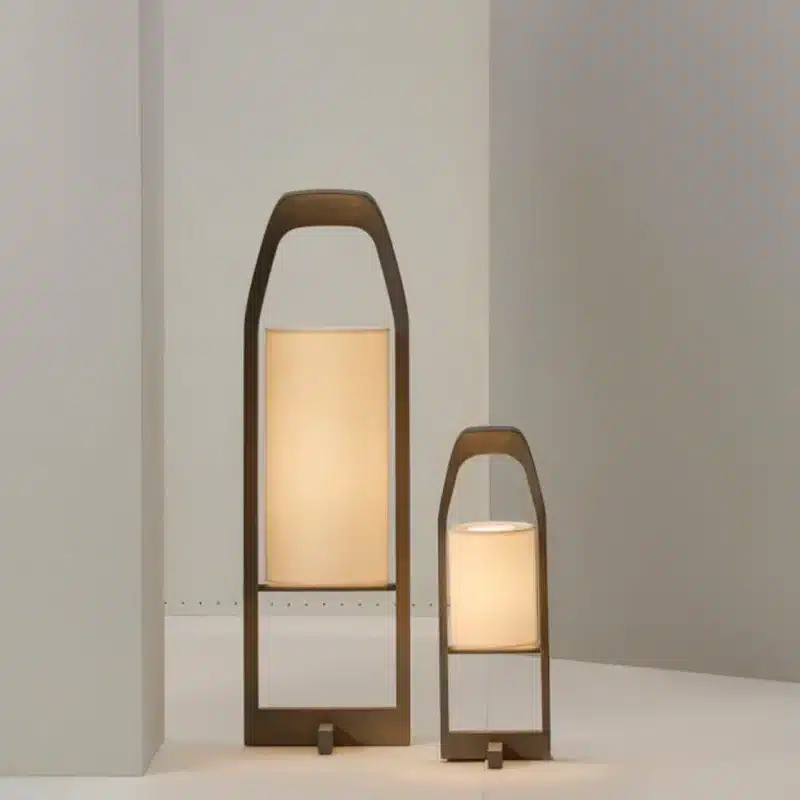
One option to consider is the Design sense Japanese floor lamp retro homestay living room tea room hotel art wabi sabi style wooden art vertical lighting. It captures the essence of wabi sabi with its wooden frame and artistic silhouette, making it a beautiful addition to any space.
Final Thoughts: Embracing Imperfection
Choosing a wabi sabi floor lamp is an act of mindfulness. It’s a decision to surround yourself with objects that have soul and history, rather than sterile perfection. As you live with your lamp, you’ll notice how it becomes a part of your home’s story—a witness to quiet evenings, deep conversations, and moments of solitude. It won’t always be pristine, and that’s precisely its beauty.
So, take your time, explore your options, and trust your intuition. The right wabi sabi floor lamp will find you, and when it does, it will bring a sense of peace that goes beyond mere illumination.
Design sense Japanese floor lamp retro homestay living room tea room hotel art wabi sabi style wooden art vertical lighting
For those seeking a ready-made piece, the Design sense Japanese floor lamp retro homestay living room tea room hotel art wabi sabi style wooden art vertical lighting embodies these principles beautifully.
Frequently asked questions
What is a wabi sabi floor lamp?
A wabi sabi floor lamp is a lighting fixture that embodies the Japanese aesthetic of wabi sabi, which values imperfection, impermanence, and simplicity. It typically uses natural materials like wood, paper, or linen, and features asymmetrical or handcrafted designs that create a warm, organic glow.
How do I choose a wabi sabi floor lamp?
Consider the scale of your space, the type of lighting you need, and the craftsmanship of the piece. Look for natural materials, visible grain or texture, and a design that feels organic. Avoid overly polished or symmetrical designs, as they stray from the wabi sabi philosophy.
Can a wabi sabi floor lamp fit in a modern home?
Absolutely. Wabi sabi lamps often serve as a grounding element in modern interiors, adding warmth and a touch of nature. They pair well with minimalist, Scandinavian, or industrial styles, creating a contrast that enhances the overall aesthetic.
How do I care for a wabi sabi floor lamp?
Care depends on the materials. Dust wooden parts with a soft cloth, and use a mild cleaner if needed. Paper shades should be gently wiped with a dry cloth. Embrace the natural aging process—don’t try to keep it looking new, as the patina adds character.
