
Blog
Wabi Sabi Pendant Light: A Buying Guide
Lighting Guide
Wabi Sabi Pendant Light: Embrace Imperfect Beauty
A wabi sabi pendant light is more than a fixture—it’s a quiet philosophy for your home. This guide walks you through every shade and cord, so you can choose one that whispers, not shouts.
What Is a Wabi Sabi Pendant Light?
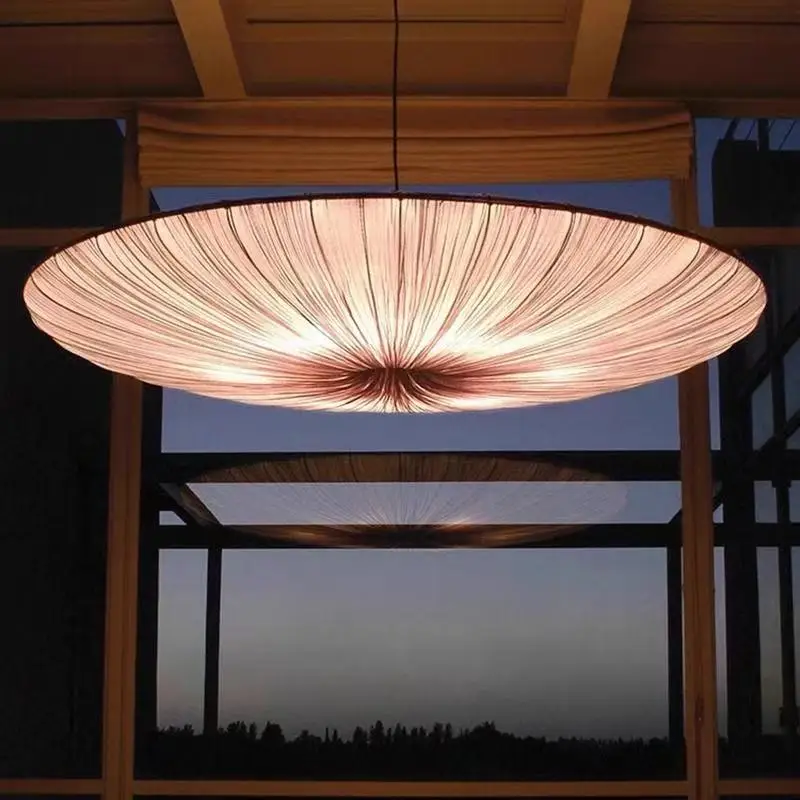
Wabi sabi is a Japanese worldview that finds beauty in imperfection, transience, and the incomplete. A wabi sabi pendant light embodies this through organic shapes, textured materials, and muted tones. Unlike sleek, mass-produced fixtures, these lights often feature uneven surfaces, subtle color variations, and a handmade feel. They don’t try to be perfect; they aim to be present.
When you hang one, you’re not just adding illumination—you’re inviting a sense of calm and authenticity. The gentle glow through a textured shade creates soft shadows, turning your room into a serene retreat.
Why Choose a Wabi Sabi Pendant Light?
In a world of bright, uniform lighting, wabi sabi pendants offer a softer alternative. They reduce glare, cast a warm, diffused light, and add a tactile element to your decor. These fixtures work beautifully in living rooms, bedrooms, and dining areas, where you want to unwind.
They also celebrate natural materials like linen, bamboo, and washi paper, which age gracefully over time. This aligns with sustainable living—choosing pieces that last and grow more beautiful with age.
Materials and Textures to Look For
The soul of a wabi sabi pendant lies in its material. Here are common options:
- Washi paper: Handmade from mulberry bark, it diffuses light warmly and shows subtle fibers.
- Linen and cotton: Durable, breathable, and available in earthy tones like sand, clay, or sage.
- Bamboo and rattan: Add a natural, airy feel, casting intricate shadows.
- Clay and ceramics: Uniquely shaped with glazes that vary piece to piece.
Look for visible irregularities—a slight asymmetry, a small wrinkle, or a color shift. These are marks of authenticity, not flaws.
How to Test Quality
Gently touch the material. Is it sturdy yet soft? Hold it up to the light—does it glow evenly? Check the stitching or weave for consistency. A well-made wabi sabi piece will feel substantial but not heavy.
Lighting Effects and Bulb Choices
The right bulb makes all the difference. Aim for a warm color temperature (2700K–3000K) to enhance the cozy, amber glow. LED bulbs with a high CRI (90+) render colors accurately without harshness.
Consider the shape: a globe or candle bulb works well with open-bottomed shades, while a compact spiral suits enclosed ones. Dimmable options give you control over mood, from bright dinner to intimate evenings.
Remember, wabi sabi lighting is about shadows as much as light. Let some light escape from the top or sides to create depth.
Placement and Sizing Tips
Where you hang your pendant affects the whole room. Here’s a quick guide:
- Living room: Center it over a coffee table, about 60–70 inches from the floor.
- Bedroom: Hang it low on each side of the bed, 24–30 inches from the nightstand.
- Dining area: Position it 30–36 inches above the table for a warm, intimate setting.
For a dramatic effect, hang a single large pendant in a small room, or cluster smaller ones at varying heights for an organic composition.
Scale and Proportion
A common mistake is choosing too small a fixture. As a rule, the pendant’s diameter should be about one-third to one-half the width of the surface below. For a 4-foot table, look for a 12–16 inch shade.
Caring for Your Wabi Sabi Pendant
These natural materials need gentle care. Dust regularly with a soft, dry cloth or a feather duster. Avoid water and harsh chemicals—they can stain or warp the material.
If you have a paper shade, use a vacuum with a brush attachment on low suction. For fabric, a lint roller works wonders. Every few months, take down the shade and shake it gently to remove dust from folds.
When changing bulbs, handle the shade with clean hands to avoid transferring oils. With proper care, your pendant will age beautifully, developing a patina that tells a story.
Where to Find Authentic Wabi Sabi Pieces
While you can find mass-produced imitations, authentic wabi sabi pendants often come from small workshops in Japan or from artisans who follow traditional methods. Look for descriptions that mention handcrafted, natural dyes, or small-batch production.
Online marketplaces like Etsy or specialty stores like wabi-sabi on Wikipedia offer insights into the philosophy. But also consider local artisans—they might offer unique interpretations.
For a ready-made option, the Japanese Wabi Sabi Cloth Pendant Light from Goldoma brings the essence of this aesthetic to your home. Its soft cloth shade and minimalist design fit seamlessly into any room.
Japanese Wabi Sabi Cloth Pendant Light Bar Living Room B&B Bedroom Nordic Ceiling Chandelier Lighting Decor Lustre Hanging Lamps
For a versatile, ready-to-hang option, the Japanese Wabi Sabi Cloth Pendant Light brings the same handcrafted warmth to your living room or bedroom.
Frequently asked questions
What does wabi sabi mean in lighting?
Wabi sabi in lighting refers to fixtures that embrace imperfection, natural materials, and a soft, diffused glow. They celebrate the beauty of age and asymmetry, creating a calm and grounded atmosphere.
Can I use a wabi sabi pendant light in a modern home?
Absolutely. Wabi sabi pendants add warmth and contrast to modern interiors. Their organic shapes and neutral tones balance sleek furniture, making the space feel more inviting.
How do I clean a wabi sabi cloth pendant light?
Use a soft, dry cloth or a vacuum with a brush attachment to gently remove dust. Avoid water and cleaning agents, as they can damage the natural fibers. For deeper cleaning, consult the manufacturer’s instructions.
What bulb should I use for my wabi sabi pendant?
Choose a warm LED bulb (2700K–3000K) with a high CRI for accurate color. A dimmable bulb is ideal for adjusting brightness. Ensure the bulb shape and wattage are compatible with your fixture.
