
Blog
Wabi-Sabi Pendant Light: A Buying Guide
Lighting Guide
Embrace Imperfection with a Wabi Sabi Pendant Light
A wabi sabi pendant light is more than a lighting fixture; it’s a philosophy that celebrates the beauty of imperfection and the passage of time.
What is a Wabi Sabi Pendant Light?
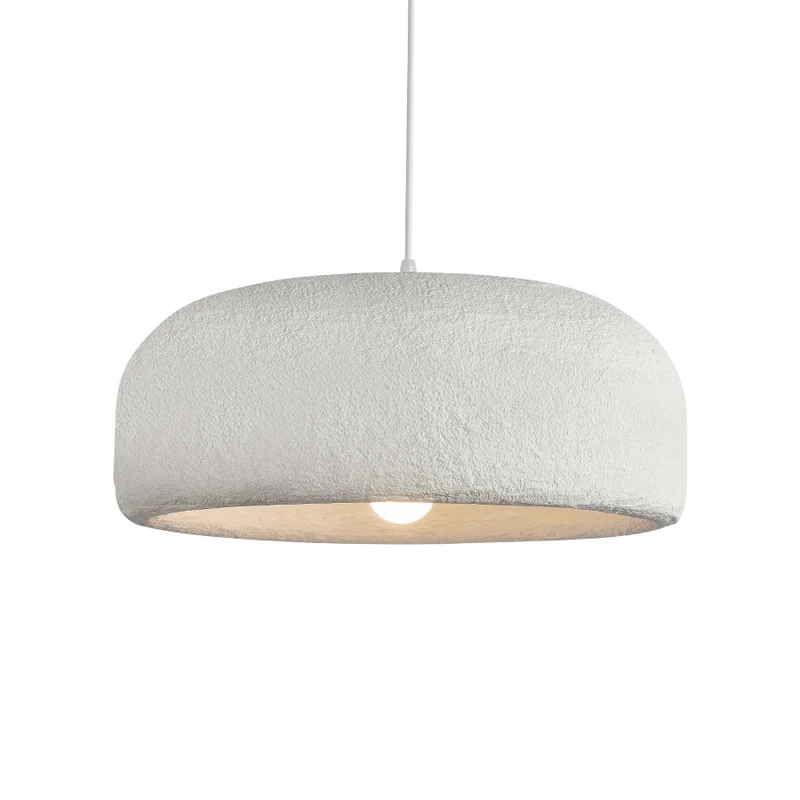
At its core, wabi-sabi is a Japanese aesthetic that finds beauty in imperfection, transience, and the incomplete. A wabi sabi pendant light embodies this by using natural materials like clay, wood, or washi paper, often with irregular shapes and textured surfaces. These lights don’t strive for symmetry; instead, they celebrate the unique quirks of handcrafted design.
When you choose a wabi sabi pendant light, you invite a sense of calm and authenticity into your space. Unlike mass-produced fixtures, each piece carries its own story, making your home feel more personal and grounded.
Why Choose a Wabi Sabi Pendant Light?
In a world of perfectly polished interiors, wabi-sabi offers a refreshing contrast. Here are a few reasons to consider this style:
- Creates a soothing ambiance: The soft, diffused light from natural materials reduces glare and fosters relaxation.
- Adds organic texture: The tactile surfaces introduce depth and warmth to any room.
- Timeless appeal: Because it’s not trend-driven, wabi-sabi design remains relevant for years.
- Sustainable choice: Many wabi-sabi fixtures are handmade from renewable resources, supporting eco-conscious living.
Key Materials in Wabi Sabi Pendant Lights
The soul of a wabi sabi pendant light lies in its material. Common options include:
Clay and Ceramic
These materials offer earthy tones and subtle irregularities. Fired at high temperatures, they can be left unglazed to showcase natural texture or finished with a matte glaze for a soft sheen.
Wood
Reclaimed or raw wood adds a rustic touch. Look for grain patterns and natural edges that tell a story of the tree’s life.
Washi Paper
Traditional Japanese paper is lightweight and diffuses light beautifully. Its delicate fibers create a warm, gentle glow.
Glass
Hand-blown glass with bubbles or asymmetrical forms captures the wabi-sabi spirit while offering a modern twist.
When selecting, consider how the material interacts with your existing decor. A clay pendant might anchor a neutral room, while a washi paper shade could soften a minimalist space.
How to Choose the Right Size and Shape
Size matters when it comes to pendant lights. A common mistake is choosing a fixture that’s too small or too large for the space. Here’s a simple guide:
- Dining tables: The pendant should be about one-third the width of the table. Hang it 28-34 inches above the surface.
- Kitchen islands: Use multiple pendants spaced evenly, typically 24-30 inches apart.
- Entryways and stairwells: Choose a larger statement piece that fills the vertical space.
- Bedrooms and living areas: Opt for a dimmable pendant placed off-center to create a cozy nook.
In wabi-sabi, asymmetry is celebrated. Don’t be afraid to hang your light slightly off-center to add visual interest.
Placement and Installation Tips
Proper placement enhances both function and aesthetics. Here are some tips:
- Consider sightlines: The light should be at eye level when seated, not directly in your line of vision.
- Layer lighting: Combine your pendant with other light sources like floor lamps or wall sconces for a balanced ambiance.
- Use dimmers: A dimmer switch lets you adjust the mood from bright task lighting to soft evening glow.
- Mind the bulb: Choose a warm white LED (2700K-3000K) to complement the natural materials.
If you’re unsure about installation, consult a professional electrician—especially for high ceilings or sloped roofs.
Styling Your Wabi Sabi Pendant Light
Integrating a wabi sabi pendant light into your decor is about creating harmony. Here are some ideas:
- Pair with natural textures: Combine with linen curtains, jute rugs, or wooden furniture to enhance the organic feel.
- Keep the palette muted: Earthy tones like beige, gray, and soft greens allow the light to stand out without clashing.
- Embrace negative space: Allow the pendant to breathe by keeping surrounding surfaces uncluttered.
- Mix with modern pieces: The contrast between wabi-sabi and sleek contemporary items can be striking.
Remember, wabi-sabi is about finding beauty in the imperfect. Your space doesn’t need to be perfect—it just needs to feel authentic.
Caring for Your Wabi Sabi Pendant Light
To keep your fixture looking its best, follow these care tips:
- Dust regularly: Use a soft, dry cloth to gently remove dust from the shade and frame.
- Avoid harsh chemicals: For clay or wood, use a slightly damp cloth with mild soap if needed.
- Handle with care: Natural materials can be fragile; always support the shade when cleaning or changing bulbs.
- Inspect wiring: Periodically check for any loose connections or wear.
With proper care, a wabi sabi pendant light can last for many years, developing a beautiful patina that adds to its charm.
Where to Find the Perfect Wabi Sabi Pendant Light
You can find wabi sabi pendant lights in specialty lighting stores, artisan markets, and online marketplaces. When shopping, look for pieces that are handmade or crafted by artisans who value the philosophy. For a convenient option, consider the Nordic Minimalist Wabi-Sabi Wind LED Pendant Lights from Goldoma, which captures the essence of this aesthetic with its minimalist design and natural materials.
As you begin your search, keep an open mind. The beauty of wabi-sabi lies in its unpredictability—embrace the imperfections and let your lighting tell a story.
Nordic Minimalist Wabi-Sabi Wind Led Pendant Lights Lustre Restaurant Bar Home Decor Dining Room Bedroom Hanging Light Fixture
For a ready-made option that embodies this philosophy, consider the Nordic Minimalist Wabi-Sabi Wind LED Pendant Lights, which brings the essence of wabi-sabi into your dining room or bedroom with its clean lines and organic form.
Frequently asked questions
What does ‘wabi sabi’ mean in lighting design?
Wabi sabi is a Japanese aesthetic that values imperfection, impermanence, and simplicity. In lighting, it translates to fixtures with natural materials, irregular shapes, and a handcrafted feel that create a calm, organic ambiance.
How do I clean a wabi sabi pendant light?
Dust regularly with a soft, dry cloth. For more stubborn dirt, use a slightly damp cloth with mild soap, but avoid harsh chemicals that could damage natural materials like clay or wood.
Can a wabi sabi pendant light work in a modern home?
Absolutely. Wabi sabi’s minimalism and natural textures complement modern interiors, adding warmth and contrast. Pair it with sleek furniture and neutral colors for a balanced look.
What bulb should I use for a wabi sabi pendant light?
Choose a warm white LED bulb (2700K-3000K) to enhance the cozy, inviting glow. If the fixture is dimmable, use a dimmable LED to adjust the ambiance.
