
Blog
Walnut Computer Desk: A Buyer’s Guide
Buying Guide
The Essential Walnut Computer Desk Guide
A walnut computer desk is more than just a piece of furniture; it’s an investment in your daily productivity and the aesthetic of your workspace. In this guide, we’ll walk you through everything you need to know to find one that fits your needs and lasts for years.
Why Choose a Walnut Computer Desk?
Walnut wood has long been prized for its rich, dark tones and striking grain patterns. A walnut computer desk brings a sense of warmth and sophistication to any room, making it a popular choice for both traditional and contemporary interiors. Unlike lighter woods, walnut adds depth and character, creating a focal point in your home office.
Beyond its beauty, walnut is also remarkably sturdy. It’s a hardwood that resists warping and dents, ensuring your desk withstands daily use. When you invest in a walnut desk, you’re not just buying a surface to hold your monitor—you’re choosing a durable piece that can be passed down through generations.
Moreover, walnut’s natural hues can complement a variety of color palettes, from neutral grays to bold accents. Whether you prefer a minimalist setup or a cozy, rustic vibe, a walnut desk can adapt to your style.
Key Features to Consider
When shopping for a walnut computer desk, there are several features that can significantly impact your experience. Pay attention to these details to make an informed choice.
Dimensions and Space
Measure your room and consider how much surface area you need. A desk that’s too small will feel cramped, while one that’s too large can overwhelm the space. Think about your monitor size, keyboard, and any additional items like speakers or a lamp. Also, consider the desk’s height—standard desks are around 29-30 inches, but if you’re taller or shorter, you might need an adjustable option.
Storage Solutions
Storage is crucial for keeping your workspace tidy. Look for desks with drawers, shelves, or a hutch. Drawers are perfect for storing pens, notepads, and other small items, while open shelves can hold books or decorative pieces. If you have a lot of equipment, consider a desk with a CPU stand or cable management features.
Build Quality and Materials
Check the construction of the desk. Solid walnut is the most durable, but it’s also more expensive. Some desks use walnut veneer over plywood or MDF, which can be more affordable but still offer the look of walnut. Ensure the joints are sturdy and the finish is smooth. Look for desks with metal or solid wood legs for added stability.
Ergonomics
Your comfort is paramount. A desk that’s too high or too low can lead to neck and back strain. Ideally, your desk should allow your elbows to rest at a 90-degree angle when typing. If the desk has a keyboard tray, that can help achieve the proper height. Also, consider the depth of the desk—it should be deep enough to accommodate your monitor at a comfortable viewing distance.
Styles of Walnut Computer Desks
Walnut computer desks come in various styles to suit different tastes. Here are some popular options:
- Minimalist: Clean lines, no frills, often with a simple rectangular top and slim legs. These desks focus on functionality and blend seamlessly into modern spaces.
- Rustic: Featuring natural edges and rough-hewn textures, rustic desks bring a touch of the outdoors inside. They’re perfect for cabins or homes with a farmhouse aesthetic.
- Mid-Century Modern: Characterized by tapered legs and organic shapes, these desks add a retro flair. They often include a few drawers and a sleek profile.
- Industrial: Combining walnut with metal frames or accents, these desks have an edgy, urban look. The contrast between wood and metal creates a striking visual.
Each style has its own appeal, so consider your existing décor and personal taste when making a choice.
Understanding Wood Types and Finishes
Not all walnut is the same. American black walnut is the most common, known for its rich chocolate-brown color and straight grain. There’s also Claro walnut, which has a more varied grain and can include burls and knots. The finish also matters—a matte finish highlights the natural texture, while a glossy finish adds shine and protection.
When you look at a desk, examine the wood closely. Are the grain patterns consistent? Are there any visible flaws? A high-quality desk will have a smooth, even finish without rough spots. Also, ask about the type of finish used—some finishes are more resistant to scratches and heat than others.
Remember, a walnut computer desk is an investment. Taking the time to understand the wood and finish will ensure you get a piece that looks beautiful and lasts.
Maintenance and Care Tips
To keep your walnut desk looking its best, regular care is essential. Here are some tips:
- Dust regularly with a soft, dry cloth to prevent buildup.
- Clean spills immediately with a slightly damp cloth, then dry the area thoroughly.
- Use coasters for drinks and mats for hot items to avoid stains and heat marks.
- Apply a wood polish or wax every few months to maintain the luster.
- Avoid placing the desk in direct sunlight, as it can fade the wood over time.
With proper care, your walnut desk will age gracefully, developing a rich patina that adds character.
Where to Place Your Walnut Computer Desk
The location of your desk can affect both its longevity and your productivity. Choose a spot with plenty of natural light, but avoid direct sunlight that can damage the wood. Ensure there’s enough room for your chair and easy movement around the desk. If possible, place it near an outlet to avoid extension cords.
Your desk should also be positioned to minimize glare on your monitor. If you have a window behind you, the light may reflect off the screen. Consider using blinds or curtains to control the light. A well-placed desk can make your workspace more inviting and efficient.
Budgeting for Your Desk
Walnut desks vary widely in price, depending on size, construction, and brand. Solid wood desks are typically more expensive than veneer options. Set a budget before you start shopping, but be prepared to invest a little more for better quality. A well-made desk can last for decades, making it a worthwhile expense.
If you’re on a tighter budget, consider a desk with a walnut veneer. It offers the same aesthetic at a lower cost, though it may not be as durable. Also, look for sales or second-hand options—you might find a high-quality desk at a fraction of the original price.
Remember, the cheapest option isn’t always the best value. Factor in the desk’s longevity and how it will enhance your daily work life.
Final Thoughts
Choosing the right walnut computer desk is a personal decision that depends on your needs, style, and budget. By considering the factors we’ve outlined, you’ll be well-equipped to make a choice you’ll be happy with for years to come. Whether you’re setting up a home office or upgrading your current setup, a walnut desk adds beauty and functionality to your space.
For more inspiration, explore our guide to walnut wood to understand its unique characteristics. And when you’re ready to make a purchase, remember that the right desk is an investment in your comfort and productivity.
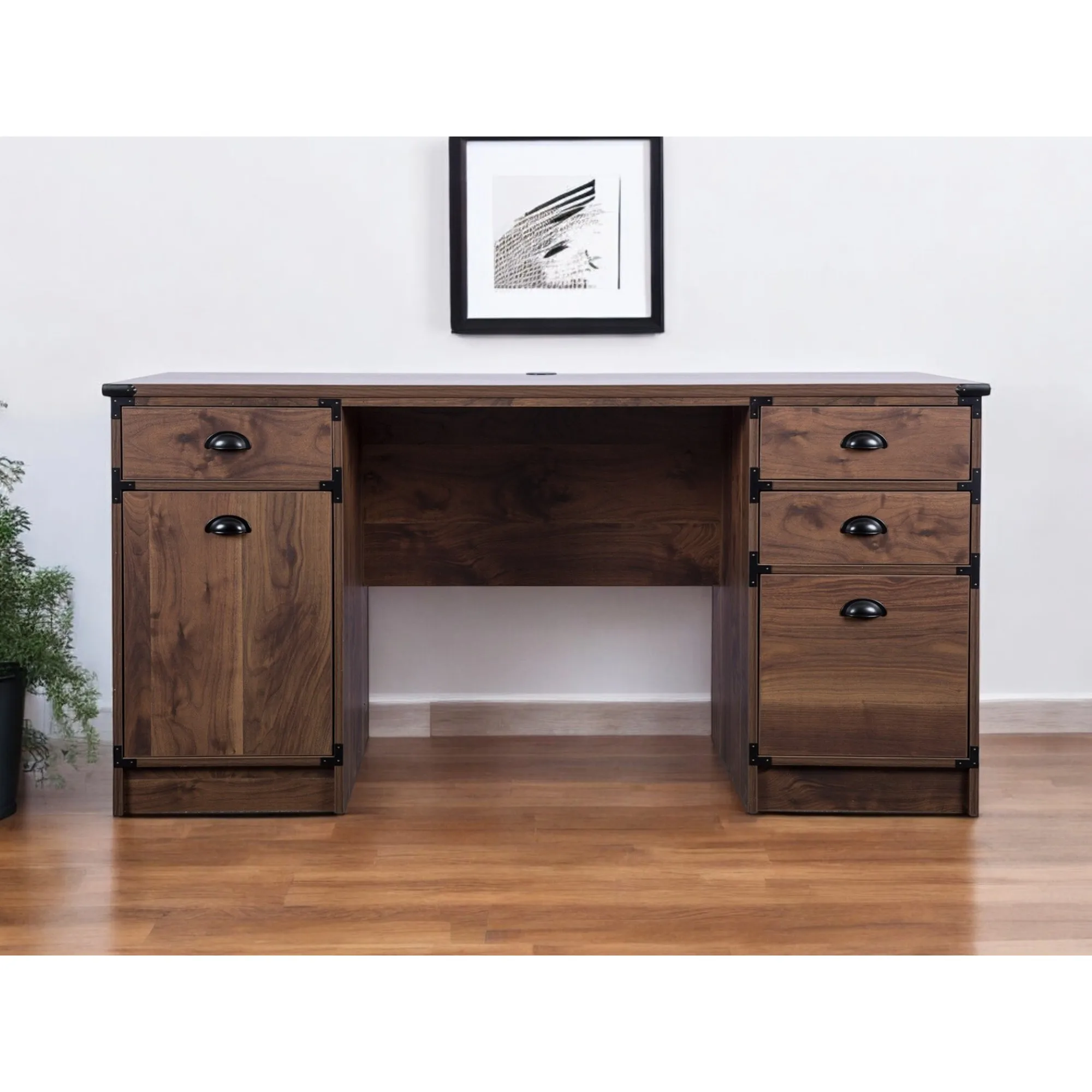
59 Walnut Wood Pedestal Computer Desk with Durable Metal Four Drawers
For a perfect blend of style and function, consider the 59 Walnut Wood Pedestal Computer Desk with Durable Metal Four Drawers—a practical choice that complements any workspace.
Frequently asked questions
What is the average height of a walnut computer desk?
Most walnut computer desks are around 29 to 30 inches tall, which is standard for adult users. However, some desks offer adjustable heights or include keyboard trays to accommodate different ergonomic needs.
How do I clean and maintain a walnut computer desk?
Dust regularly with a soft cloth, use a damp cloth for spills, and apply a wood polish or wax every few months. Avoid placing the desk in direct sunlight to prevent fading, and use coasters and mats to protect the surface.
Is a walnut computer desk worth the investment?
Yes, walnut is a durable hardwood that can last for decades with proper care. Its timeless beauty adds value to your home office, making it a worthwhile investment for those who spend significant time at their desk.
What is the difference between solid walnut and walnut veneer?
Solid walnut is made entirely from walnut wood, offering maximum durability and natural grain. Walnut veneer is a thin layer of real walnut over a less expensive core, like plywood or MDF. Veneer is more affordable but may not be as durable or repairable.
