
Blog
The Ultimate Guide to Choosing a Waterproof Shower Curtain
Bathroom Essentials
How to Choose a Waterproof Shower Curtain
A waterproof shower curtain is the unsung hero of any bathroom, keeping water where it belongs while adding a touch of style. Whether you’re upgrading a guest bath or your own master suite, the right curtain makes all the difference.
Why a Waterproof Shower Curtain Matters
Let’s face it: a wet bathroom floor is no one’s idea of a good time. Beyond the annoyance of stepping onto a puddle, moisture can lead to slippery surfaces and even damage your flooring over time. A quality waterproof shower curtain acts as a barrier, channeling water back into the tub or shower pan where it belongs. It’s a small investment that pays off in safety and peace of mind. Plus, it keeps your bathroom looking pristine longer, reducing the need for constant wiping and scrubbing.
But not all curtains are created equal. Some repel water admirably, while others become clingy and ineffective after a few uses. Understanding what makes a curtain truly waterproof is the first step to making a smart purchase.
Key Materials: PEVA, Polyester, and Fabric
Shower curtains typically fall into three main material categories. PEVA (polyethylene vinyl acetate) is a lightweight, affordable option that does a decent job at repelling water. It’s often used in hotels and dorms because it’s easy to wipe clean. However, it can feel plasticky and may not drape as nicely as fabric.
Polyester, on the other hand, offers a more luxurious feel. A thick polyester curtain, like many fabric options, can be treated with a waterproof coating that lasts wash after wash. It’s durable, less prone to wrinkling, and available in countless patterns. For a natural look, consider linen-look polyester—it mimics the texture of linen without the high maintenance.
Then there’s cotton, which is soft and breathable but often requires a separate liner to be truly waterproof. While cotton curtains are machine washable, they can shrink and fade over time. For most households, a high-quality polyester curtain strikes the best balance between performance and aesthetics.
Size and Weight: Getting the Right Fit
Standard shower curtains measure 72 x 72 inches, but bathrooms come in all shapes and sizes. Before you buy, measure your shower or tub area: length from rod to floor, and width from wall to wall. A curtain that’s too short leaves gaps for water to escape, while an oversized one can puddle on the floor, creating a tripping hazard.
Weight matters too. A lightweight curtain may flutter in the breeze or cling to your legs. Heavier curtains (around 200 GSM or more) hang better and resist water better. They also tend to be more durable. Look for reinforced buttonholes or grommets that won’t tear, and consider a curved rod for extra elbow room inside the shower.
Easy Maintenance: Cleaning and Care Tips
A waterproof shower curtain only stays effective if you care for it properly. Most fabric curtains can be tossed in the washing machine on a gentle cycle with mild detergent. To prevent mildew, add a cup of white vinegar to the rinse cycle—it’s a natural disinfectant that won’t harm the coating. Hang the curtain back up immediately to air dry; avoid the dryer, as high heat can degrade waterproof layers.
For plastic or PEVA curtains, simply wipe them down with a soft cloth and a mixture of water and baking soda. Never use abrasive cleaners, which can scratch the surface and reduce water repellency. A quick spray with a daily shower cleaner can keep soap scum at bay.
Pro tip: If your curtain develops water spots or a musty smell, it’s time for a deep clean. Regular maintenance extends the life of your curtain and keeps your bathroom fresh.
Design and Style: More Than Just Functional
Gone are the days when shower curtains were purely utilitarian. Today, they’re a design statement. From minimalist white to bold geometric patterns, the options are endless. A waterproof shower curtain can tie together your bathroom’s color scheme or become a focal point.
Fabric curtains offer the richest design possibilities. Look for rust-proof grommets (usually metal or plastic) that won’t stain the fabric. Weighted magnets at the bottom corners are a thoughtful touch—they keep the curtain from billowing inward and sticking to you while you shower. These small features add up to a more pleasant experience.
If you’re drawn to natural textures, imitation linen is a fantastic choice. It brings warmth and sophistication without the wrinkles and high cost of real linen. Plus, it’s inherently more durable and easier to care for.
Eco-Friendly Options: Sustainable Choices
If sustainability matters to you, look for curtains made from recycled polyester or other eco-conscious materials. Some brands now offer curtains that are free from harmful chemicals like PVC and phthalates. These are not only better for the planet but also safer for your family—especially important if you have young children or sensitive skin.
You can also reduce waste by choosing a curtain that lasts. A thick, well-constructed curtain will outlast several cheap ones, saving resources in the long run. And when it’s finally time to retire it, check if the material can be recycled. Many fabric curtains can be repurposed as cleaning rags or donated to animal shelters.
For more on sustainable bathroom practices, check out this Wikipedia article on sustainable bathrooms.
Installation Tips: Hanging Your Curtain Right
Installing a waterproof shower curtain is straightforward, but a few tricks can improve performance. Use a tension rod if you’re renting or don’t want to drill holes—just make sure it’s snug. For a more permanent solution, a curved rod adds space and prevents the curtain from clinging.
When hanging, ensure the curtain extends at least an inch below the tub rim to catch splashes. If your curtain has a liner, attach it to the same hooks (one hook through both curtain and liner) for convenience. Some curtains come with integrated liners, which simplifies setup even more.
Finally, give the curtain a gentle tug after hanging to smooth out any folds. This helps the waterproof coating settle and reduces the chance of mildew forming in creases.
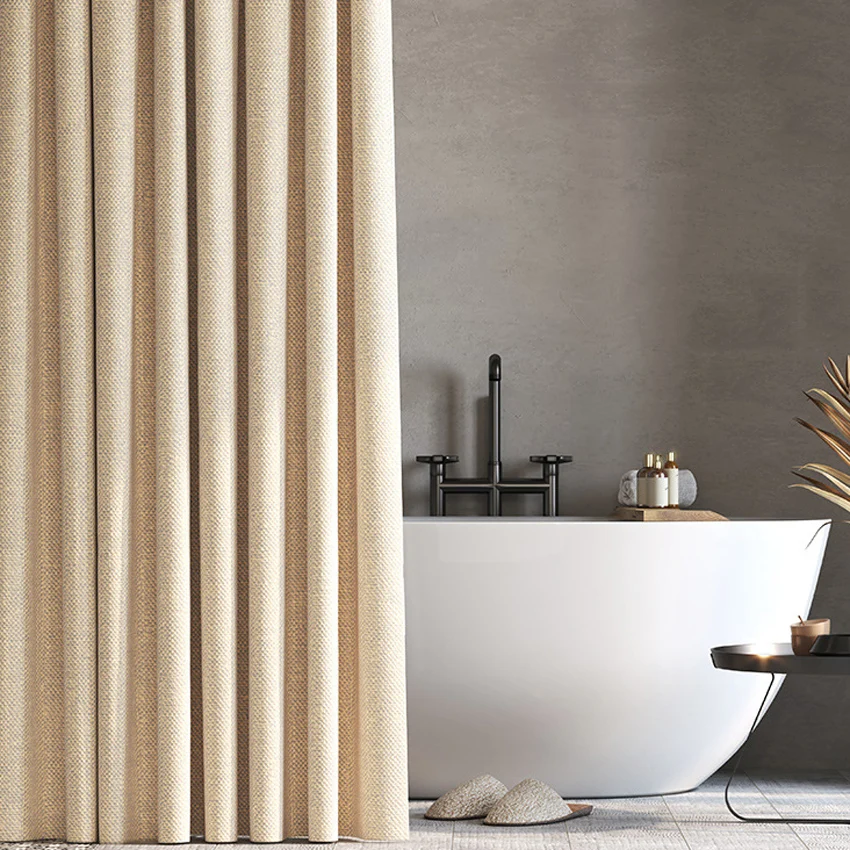
Thick Imitation Linen Shower Curtain Polyester Waterproof Shower Curtain Bath Curtains For Bathroom Bathtub Large Bathing Cover
For a stylish, durable option, consider the Thick Imitation Linen Shower Curtain—a polyester waterproof curtain that combines natural texture with easy care.
Frequently asked questions
How often should I replace my waterproof shower curtain?
Most quality waterproof shower curtains last 6 to 12 months with regular care. Signs it’s time to replace include persistent mildew, water spots that won’t wash out, or a loss of water repellency.
Can I use a waterproof shower curtain without a liner?
Yes, many fabric curtains with a waterproof coating work perfectly without a separate liner. However, a liner can add extra protection and make cleaning easier.
What is the best way to prevent mold on a shower curtain?
After each use, spread the curtain out to dry fully. Wash it monthly with vinegar, and ensure your bathroom has good ventilation. Using a squeegee on the curtain can also help.
How do I measure for a shower curtain?
Measure the length from the shower rod to the floor, and the width from wall to wall. Standard size is 72×72 inches, but custom sizes are available for non-standard openings.