
Blog
How to Choose the Perfect Wine Storage Cabinet
Wine Storage
Your Guide to a Great Wine Storage Cabinet
Choosing the right wine storage cabinet is essential for preserving your favorite vintages. Whether you have a modest collection or a growing cellar, this guide will help you find a cabinet that fits your space and lifestyle.
Why a Dedicated Wine Storage Cabinet Matters
Wine is a living product that evolves over time, and its quality depends heavily on storage conditions. A dedicated wine storage cabinet provides a stable environment with controlled temperature, humidity, and light protection—factors that are crucial for aging wine gracefully. Unlike a regular refrigerator, which can be too cold and dry, a wine cabinet is designed to mimic a natural cellar. Even if you plan to drink your bottles within a few months, consistent conditions preserve flavor and aroma.
For those who enjoy entertaining, a wine cabinet also adds a touch of elegance to your dining room or kitchen. It keeps your collection organized and accessible, so you can easily grab the perfect bottle for any occasion.
Key Features to Look for in a Wine Storage Cabinet
When shopping for a wine storage cabinet, consider these essential features to ensure your investment pays off:
- Temperature Control: Look for dual-zone models if you store both red and white wines. Reds prefer 55–65°F, whites 45–55°F. Single-zone works for one type.
- Humidity Management: Aim for 50–70% humidity to keep corks from drying out. Many cabinets include a humidity tray or reservoir.
- UV Protection: Solid doors or tinted glass shield wine from harmful light. Avoid clear glass models unless placed in a dark room.
- Vibration Dampening: Compressors can cause vibrations that disturb sediment. Look for cabinets with vibration-reducing technology or thermoelectric cooling.
- Capacity and Shelving: Choose a size that fits your collection plus room to grow. Adjustable shelves accommodate different bottle shapes.
These features ensure your wine ages properly and tastes its best when you open it.
Size and Capacity: Finding the Right Fit
Wine storage cabinets range from compact 12-bottle units to large 200-bottle models. Measure your available space—height, width, and depth—before buying. Consider not just the cabinet’s footprint but also clearance for door swing and ventilation. A wine cellar can be a room or a cabinet; for most homes, a cabinet is a practical choice.
Think about your drinking habits. If you buy wine to consume within a few months, a smaller cabinet may suffice. For long-term aging, invest in a larger cabinet with stable conditions. Also, consider future growth—buying a slightly larger cabinet now can save you from upgrading later.
Design and Style: Integrating with Your Home
A wine storage cabinet is both functional and decorative. Modern designs range from sleek stainless steel to rustic wood. Consider your existing décor: a cabinet with a wooden finish can complement a dining room, while a glass-door model showcases your collection. The material also affects insulation; wood provides natural insulation, while metal may need more insulation to maintain temperature.
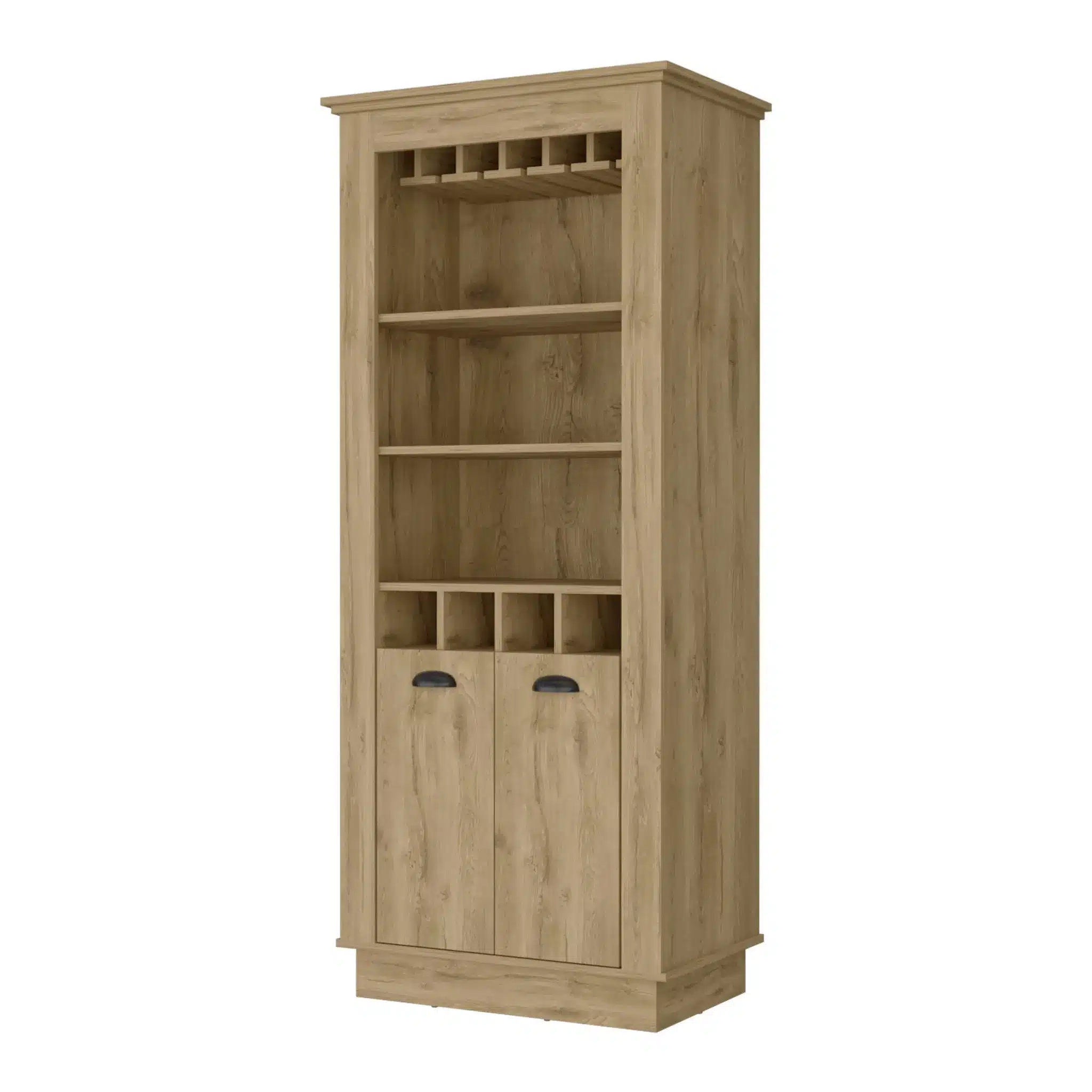
Our 70 Rustic Brown Bar Cabinet with Wine Storage combines a warm oak look with sturdy iron accents, blending Nordic and modern styles. It’s a versatile piece that fits in a dining area or living room, adding character while keeping your wine properly stored.
Climate Control: Single vs. Dual Zone
Single-zone cabinets maintain one temperature throughout, ideal if you store only one type of wine. Dual-zone cabinets have two compartments with separate controls, allowing you to store reds and whites at their optimal temperatures. If you enjoy both, dual-zone is worth the extra cost. Some models even let you set one zone for serving temperatures and the other for long-term aging.
Thermoelectric cooling is quieter and vibration-free but may not cool as effectively in hot climates. Compressor-based cooling is more powerful and consistent, but produces some vibration. For most homes, a quality compressor unit with vibration dampening is a reliable choice.
Budget and Long-Term Value
Wine storage cabinets vary widely in price. Entry-level models start around $200, while premium units can exceed $2000. Set a budget based on your collection size and how long you plan to age wines. A well-built cabinet can last 10–15 years, so consider it a long-term investment. Look for energy-efficient models to save on electricity costs over time.
Don’t compromise on essential features like temperature stability and humidity control. A cheap cabinet that fluctuates in temperature may damage your wine, costing you more in ruined bottles. Read reviews and check warranty terms before purchasing.
Installation and Maintenance Tips
Place your wine storage cabinet away from heat sources like ovens or direct sunlight. Ensure proper ventilation around the unit—most cabinets require a few inches of clearance on the sides and back. Level the cabinet to prevent door alignment issues. Clean the interior periodically with a mild detergent and wipe down shelves. Check the door seal for wear and replace if needed to maintain temperature efficiency.
For long-term storage, avoid frequent opening. Organize bottles by type or vintage to minimize door time. Keep a log of your collection to track what you have and when to drink it.
70 Rustic Brown Bar Cabinet with Wine Storage for Home Nordic and Modern Design Wood Iron Oak Material for Dining
For a stylish and functional option, the 70 Rustic Brown Bar Cabinet with Wine Storage combines a warm oak finish with sturdy iron, perfect for Nordic or modern homes.
Frequently asked questions
What temperature should a wine storage cabinet be set to?
For long-term aging, set your wine cabinet to 55°F (13°C). For serving, reds are best at 60–65°F, whites at 45–55°F. Dual-zone cabinets allow separate settings.
Can I store wine in a regular refrigerator?
Regular fridges are too cold (around 35–40°F) and too dry, which can dry out corks and dull flavors. They also have vibration and light exposure issues. A dedicated wine cabinet is recommended.
How many bottles does a typical wine cabinet hold?
Compact cabinets hold 12–30 bottles, medium 30–60, and large 60–200+. Choose based on your current collection and future growth.
Do I need a dual-zone wine cabinet?
If you store both red and white wines, dual-zone is ideal for serving them at optimal temperatures. If you only drink one type, single-zone suffices.
