
Blog
Wobble Balance Board: The Complete Buying Guide
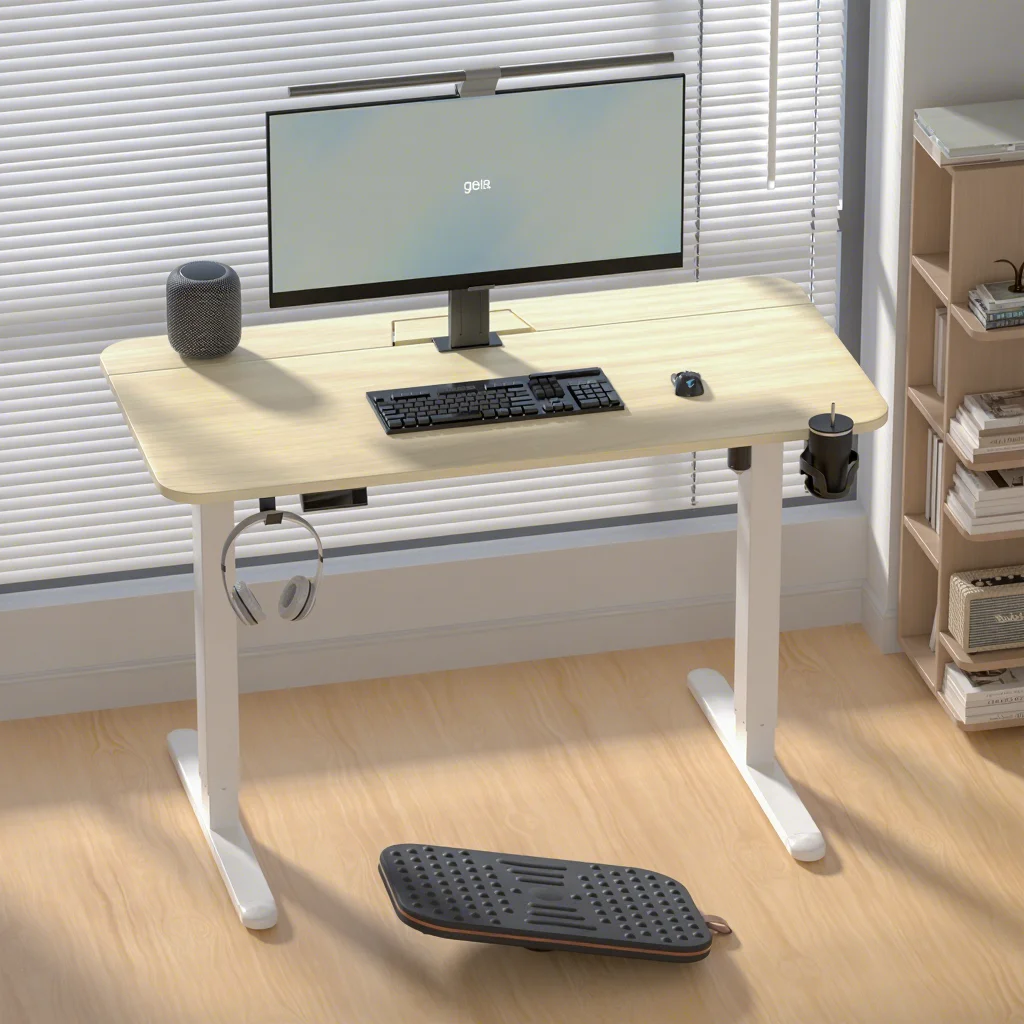
Buying Guide
Find Your Perfect Wobble Balance Board
A wobble balance board can transform your standing desk experience and home workouts, but with so many options, how do you pick the right one? This guide breaks down everything you need to know.
Why a Wobble Balance Board?
Standing all day can be tough on your body, but a wobble balance board adds movement to your static posture. It engages your core, improves balance, and reduces the fatigue that comes from standing still. Whether you’re at your desk or watching TV, it turns idle time into active recovery.
Research shows that dynamic sitting and standing can enhance circulation and focus. A wobble balance board is a simple tool that encourages micro-movements, which your body craves.
Key Features to Look For
Not all wobble balance boards are created equal. Here are the essential features to consider before you buy:
- Surface area: A wider deck gives you more stability, while a narrower one challenges your balance more.
- Non-slip texture: Look for a board with a grippy surface to prevent slips, especially if you’ll use it with shoes or socks.
- Height and tilt: A lower profile is easier for beginners, while a higher tilt offers a more intense workout.
- Durability: Check the weight capacity and material—wood and plastic are common, but each has its pros and cons.
Remember, the best wobble balance board is one that matches your skill level and intended use.
Types of Balance Boards
There are several types of balance boards, each with a unique feel. Understanding the differences helps you choose the right one.
Rocker Boards
These boards move side-to-side or front-to-back, offering a predictable motion. They’re great for beginners and for targeting specific muscle groups.
Wobble Boards
These have a hemispherical base that allows 360-degree movement. They’re more versatile and engage more stabilizer muscles. A wobble balance board is ideal for those who want a full-body challenge.
Roller Boards
These use a cylindrical roller and offer a more dynamic, surf-like experience. They require more skill and are often used for advanced training.
For most people, a wobble board strikes the perfect balance between usability and challenge.
Material and Build Quality
The material affects durability, feel, and safety. Here’s what to look for:
- Wood: Classic and sturdy, but can be slippery if not coated. Look for a non-slip top layer.
- Plastic: Lightweight and often more affordable, but may not withstand heavy use.
- Rubber or silicone: Provides excellent grip and cushioning, but may be less stable.
Also, consider the base. A non-slip bottom prevents the board from sliding on your floor.
Size and Portability
Think about where you’ll use your board. For a standing desk, you’ll want a compact size that fits under your desk easily. For home workouts, a larger board might be better. Portability matters if you plan to move it between rooms or take it to the office.
Most wobble balance boards are lightweight and easy to store, but check the dimensions to ensure they fit your space.
How to Use a Wobble Balance Board Safely
Safety first! Here are tips for getting the most out of your board without injury:
- Start on a flat, stable surface away from furniture.
- Begin with both feet on the board, holding onto something for support if needed.
- Keep your knees slightly bent and your core engaged.
- Gradually increase your time as you build strength.
- Consult a doctor if you have balance or joint issues.
Using a wobble balance board regularly can improve your posture and reduce back pain, but it’s important to listen to your body.
Integrating a Balance Board into Your Routine
You don’t have to overhaul your day to benefit from a wobble balance board. Here are simple ways to incorporate it:
- Use it for 10-15 minutes while working at your standing desk.
- Take breaks throughout the day to stand on it and stretch.
- Add it to your warm-up or cool-down routine.
- Challenge yourself with single-leg stands or squats.
Consistency is more important than intensity. Even a few minutes a day can make a difference.
Final Thoughts
Choosing the right wobble balance board comes down to your personal needs and preferences. Consider the features we’ve discussed, and don’t forget to check reviews from other users.
When you’re ready to make a purchase, the balance board page on Wikipedia offers a great overview of the equipment’s history and variations.
If you’re looking for a versatile option, the Degree Wobble Balance Board for Adults offers a 2-in-1 design that works as both a balance trainer and an anti-fatigue mat, making it a smart addition to any standing desk setup.
Degree Wobble Balance Board for Adults – 2-in-1 Double-Sided Anti-Fatigue Mat & Stability Trainer for Standing Desk & Home
For a versatile and comfortable option, consider the Degree Wobble Balance Board for Adults, which doubles as an anti-fatigue mat for your standing desk.
Frequently asked questions
What is a wobble balance board?
A wobble balance board is a fitness device consisting of a flat board atop a hemispherical base. It allows 360-degree movement, challenging your balance and engaging core muscles.
How do I choose the right wobble balance board?
Consider your skill level, intended use, material, size, and weight capacity. Beginners may prefer a lower tilt, while advanced users might want a more dynamic board.
Can I use a wobble balance board at a standing desk?
Yes, many people use a wobble balance board at a standing desk to add movement and reduce fatigue. Choose a compact board that fits under your desk comfortably.
Are wobble balance boards safe for everyone?
While generally safe, those with balance disorders, joint issues, or who are pregnant should consult a doctor before using a wobble balance board. Always start slowly and use a stable surface.
