
Blog
The Ultimate Guide to Choosing a Wood Computer Desk
Buying Guide
Find Your Ideal Wood Computer Desk
When you’re searching for a wood computer desk, it’s more than just a piece of furniture—it’s the centerpiece of your workspace. This guide will walk you through everything you need to know to make an informed choice.
Why Choose a Wood Computer Desk?
Wood has been a trusted material for furniture for centuries, and for good reason. A wood computer desk brings warmth and character to any room, unlike cold metal or glass alternatives. It’s also incredibly durable—a well-made solid wood desk can last for decades, becoming a family heirloom. Moreover, wood is a sustainable resource when sourced responsibly, making it an eco-friendly choice for the environmentally conscious.
Beyond aesthetics, wood offers practical benefits. It naturally absorbs sound, reducing echo in your office, and its surface is gentle on your wrists during long typing sessions. Plus, each piece has unique grain patterns, so your desk is truly one-of-a-kind.
Types of Wood Used in Desks
The type of wood significantly affects the desk’s appearance, durability, and cost. Here are the most common options:
- Oak: Known for its strength and prominent grain, oak is a classic choice that resists wear and tear.
- Walnut: Darker and richer, walnut offers a sophisticated look and is highly durable.
- Cherry: With a warm, reddish hue that deepens over time, cherry is both elegant and sturdy.
- Maple: Light and smooth, maple is ideal for a clean, modern aesthetic and resists scratches.
- Bamboo: Technically a grass, bamboo is eco-friendly, lightweight, and surprisingly strong.
Each wood type has its own personality, so consider the overall style of your room and how much maintenance you’re willing to do.
Solid Wood vs. Wood Veneer
When shopping, you’ll encounter both solid wood and wood veneer desks. Solid wood is exactly what it sounds like—the entire desk is made from solid pieces of wood. It’s the most durable and can be sanded and refinished multiple times, but it’s also heavier and more expensive.
Wood veneer, on the other hand, consists of a thin layer of real wood over a composite base. This makes the desk lighter, more affordable, and less prone to warping. However, it can’t be refinished as easily and may show wear sooner. For a budget-friendly option that still looks like real wood, a high-quality veneer can be a great choice.
If you’re looking for a balance of quality and value, consider a desk with a solid wood top and veneer on less visible parts. This gives you the best of both worlds.
Finding the Right Size and Shape
Size matters more than you might think. A desk that’s too small will clutter your workspace, while one that’s too large can overwhelm the room. Measure your available space, accounting for at least 30 inches of depth for a monitor and keyboard, and consider the following shapes:
- Rectangular: The classic straight desk fits well against a wall and provides ample surface area.
- L-shaped: Perfect for corner spaces, offering dual work zones—one for your computer and one for writing or other tasks.
- U-shaped: Wraps around you for maximum workspace, ideal for multi-monitor setups or creative projects.
Also, think about the height. Standard desks are around 29 inches, but if you’re taller or shorter, you might need an adjustable or custom height. An ergonomic setup is crucial to prevent strain.
Ergonomic Considerations
Your desk should promote good posture and comfort. Ensure that when you sit, your elbows are at a 90-degree angle and your feet rest flat on the floor. If the desk is too high or low, you may need an adjustable chair or a footrest.
Also, consider the keyboard tray. A pull-out tray can help position the keyboard at the correct height, but it reduces legroom. On the other hand, a flat desk might be simpler but may require a monitor stand to raise your screen to eye level.
Remember, a wood computer desk can be modified—you can add monitor arms, cable management, or even a standing desk converter to suit your needs.
Style and Design
Wood desks come in a variety of styles, from rustic farmhouse to sleek modern. The finish—whether matte, glossy, or stained—also affects the look. Consider the existing decor of your room. A dark walnut desk with clean lines might complement a contemporary office, while a distressed pine desk adds charm to a cottage-style home.
Don’t forget about storage. Some desks come with drawers, shelves, or hutches, which can help keep your workspace organized. Think about what you need to store: paperwork, office supplies, or your tower PC. A desk with built-in storage can eliminate the need for extra furniture.
Maintenance and Care
To keep your wood desk looking beautiful, regular care is essential. Dust it weekly with a soft cloth and use a wood cleaner or polish periodically. Avoid placing hot items directly on the surface, and use coasters for drinks. If you have a solid wood desk, you can sand out minor scratches and reapply a finish. For veneer, be gentler to avoid damaging the thin layer.
Also, protect your desk from direct sunlight and extreme humidity, which can cause warping or fading. With proper care, your wood computer desk will age gracefully.
Budgeting for Your Desk
Wood desks range from under $200 for a simple veneer model to over $2,000 for a handcrafted solid wood masterpiece. Set a budget before you start shopping, but remember that a desk is a long-term investment. A higher-quality desk might cost more upfront but will save you money in the long run by not needing replacement.
Keep an eye out for sales or second-hand options. Many high-end desks are built to last and can be found at a fraction of the original price. Just check for warping or damage before buying used.
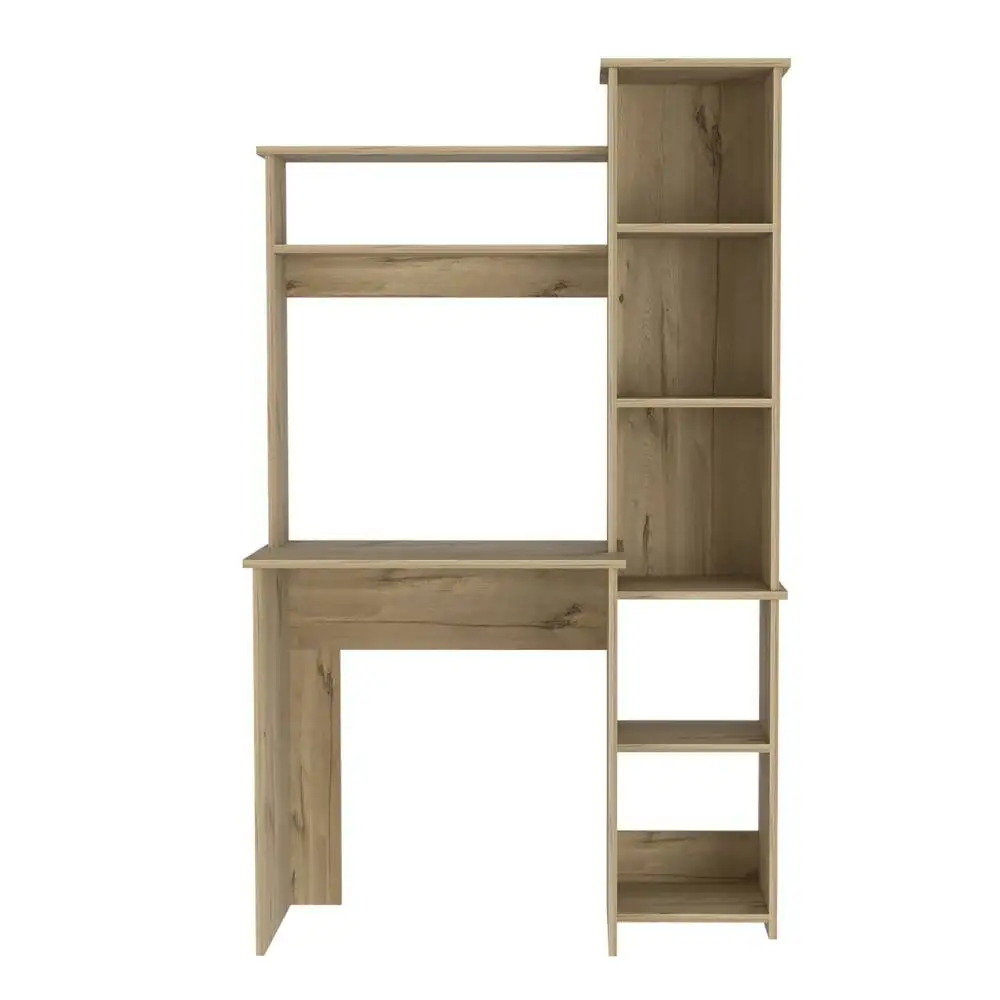
For a reliable choice that balances quality and affordability, consider a desk that combines a solid wood top with sturdy construction. Our 40″ Natural Wood Computer Desk with Hutch Bookshelf Drawer is a versatile option that fits many needs.
40″ Natural Wood Computer Desk with Hutch Bookshelf Drawer-Simple Design Office Gaming Desk Wooden Storage Features
For a practical and stylish choice, check out our 40″ Natural Wood Computer Desk with Hutch Bookshelf Drawer—it offers storage and durability in a simple design.
Frequently asked questions
What is the best wood for a computer desk?
The best wood depends on your priorities. Oak and walnut are durable and classic, while maple is modern and scratch-resistant. Bamboo is eco-friendly and lightweight. Consider the look and maintenance you prefer.
How do I measure for a computer desk?
Measure the length and width of the space where you plan to place the desk. Ensure there is at least 30 inches of depth for your monitor and keyboard. Also, leave room for a chair and easy movement around the desk.
Is a solid wood desk worth the extra cost?
Yes, if you plan to keep the desk for many years. Solid wood is more durable, can be refinished, and often has a higher resale value. However, a high-quality veneer desk is a budget-friendly alternative that still looks good.
How can I protect my wood desk from scratches?
Use a desk pad or mouse pad for your keyboard and mouse. Place felt pads under items that may scratch the surface. Dust regularly and apply a protective finish or wax periodically.
