
Blog
The Ultimate Guide to Choosing a Wood End Table
Buying Guide
How to Choose the Perfect Wood End Table
A wood end table is more than just a surface for your coffee mug; it’s a functional accent that anchors your living space. Whether you need a spot for a lamp or a place to rest your book, the right table can transform a room.
Why a Wood End Table Belongs in Your Home
A wood end table brings warmth and natural beauty to any room. Unlike glass or metal, wood ages gracefully, developing a patina that tells a story. It’s a versatile choice that complements both rustic and modern interiors. Wood also offers durability; a well-made piece can last for generations. From oak to walnut, each species has unique grain patterns that add character. Plus, wood is renewable and biodegradable, making it an eco-friendly option. When you choose a wood end table, you’re investing in timeless design and sustainability.
Key Factors to Consider Before Buying
Before you shop, think about function and form. Consider the height: your table should align with the arm of your sofa or chair for easy reach. Measure the space to ensure the table fits without crowding. Also, think about storage needs—do you want drawers, shelves, or just an open surface? A wood end table can serve as a display area for plants or books, or as a hidden storage solution. Finally, match the style to your existing decor. A mid-century piece might suit a retro room, while a chunky farmhouse table fits a cozy cottage.
Wood Species and Their Characteristics
Different woods offer different looks and durability. Oak is strong and has prominent grain, ideal for heavy use. Walnut is rich and dark, adding elegance. Cherry darkens with age and develops a reddish hue. Maple is light and subtle, great for modern spaces. Reclaimed wood adds history and sustainability. Each species has unique hardness; for example, hardwoods like oak are more dent-resistant than softwoods like pine. When shopping for a wood end table, ask about the wood type and finish to ensure it meets your needs.
Style and Design Options
End tables come in many styles. Traditional tables feature turned legs and ornate details. Mid-century modern offers clean lines and tapered legs. Rustic farmhouse uses distressed finishes and plank tops. Industrial style combines wood with metal accents. Scandinavian design emphasizes minimalism and light woods. Choose a style that harmonizes with your room. A wood end table can be a statement piece or blend in seamlessly. Consider the shape too: round tables soften a space, while square or rectangular ones fit snugly against walls.
Construction and Quality Indicators
Quality matters for longevity. Look for solid wood construction rather than veneer over particleboard. Dovetail joints in drawers signal craftsmanship. Check that the table is stable on uneven floors. Finish should be smooth and even, protecting the wood from spills. A wood end table with proper joinery will withstand daily use. Avoid tables with visible glue or rough edges. If possible, see the table in person or read reviews that mention build quality. Remember, a good table is an investment.
Care and Maintenance Tips
To keep your wood end table looking new, dust regularly with a soft cloth. Use coasters to prevent water rings. Avoid direct sunlight to prevent fading. Clean spills immediately to avoid stains. Apply furniture polish or wax occasionally to nourish the wood. For scratches, use a touch-up marker or walnut meat. With proper care, a wood end table can remain beautiful for years. Also, maintain humidity levels to prevent warping—wood expands and contracts with moisture.
Where to Place Your End Table
End tables are versatile. Place one beside a sofa or armchair for a lamp and remote. Use two on either side of a bed for symmetry. In a living room, they can anchor a seating area. A wood end table also works in an entryway for keys and mail. Consider the traffic flow; leave enough space to walk around. In small rooms, a narrow table can fit tight spots. Think about how you’ll use the table daily to choose the best location.
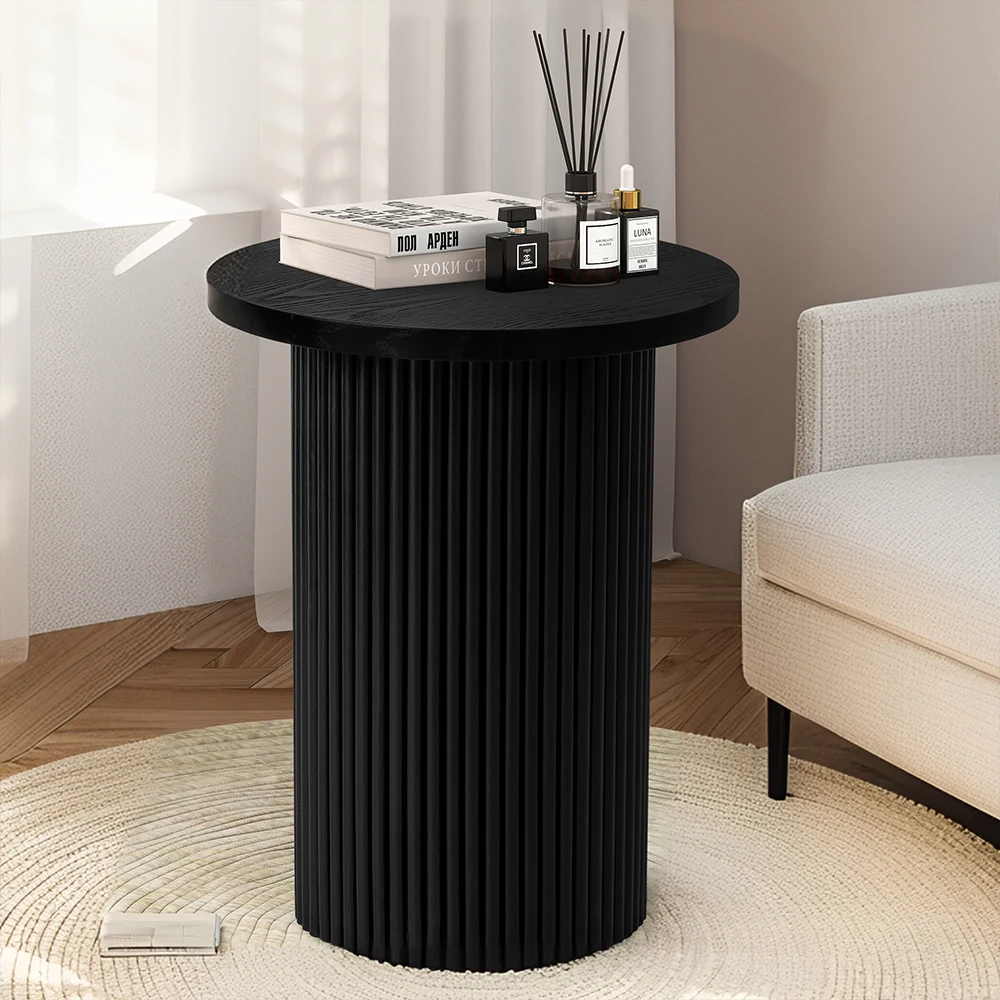
Goldoma 22″ Tall Pedestal Round End Table – Handcrafted Wood Coffee Table
For a handcrafted option, consider the Goldoma 22″ Tall Pedestal Round End Table – made from solid wood with a timeless design that fits any decor.
Frequently asked questions
What is the best wood for an end table?
The best wood depends on your style and needs. Oak is durable and affordable, walnut is rich and elegant, and cherry develops a beautiful patina. For sustainability, consider reclaimed wood.
How tall should an end table be?
Ideally, the table height should be within 2 inches of your sofa or chair arm height, typically 22-24 inches. Measure your furniture to ensure comfortable reach.
Can I use an end table as a bedside table?
Yes, end tables work well as nightstands. Just ensure the height matches your bed for easy access to a lamp or book.
How do I care for a wood end table?
Dust regularly with a soft cloth, use coasters, clean spills immediately, and apply furniture polish occasionally. Avoid direct sunlight and extreme humidity.
