
Blog
The Charm of a Wooden Elephant Stool: Decor Tips
Buying Guide
Finding the Perfect Wooden Elephant Stool for Your Home
A wooden elephant stool can add a touch of whimsy and warmth to any room. Whether you need extra seating or a unique side table, this guide will help you find the right one.
What Is a Wooden Elephant Stool?
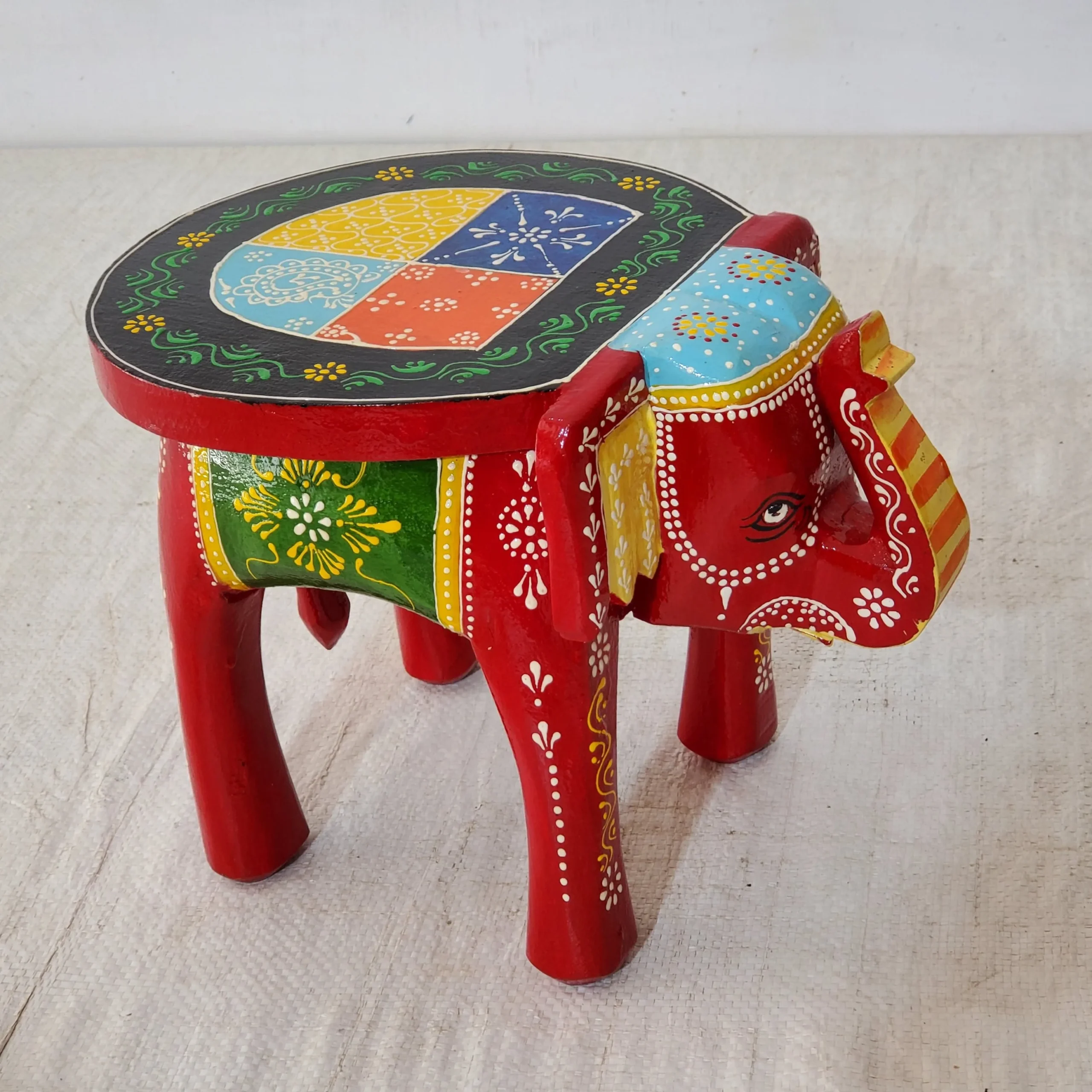
A wooden elephant stool is a small, often carved piece of furniture shaped like an elephant. Traditionally used as a low seat or side table in Indian homes, it has become a popular accent piece worldwide. The stool typically features a flat top on the elephant’s back, making it functional as well as decorative. Many are hand-carved from sustainable wood like mango or sheesham, and some are painted or inlaid with bone for added detail.
Why Choose a Wooden Elephant Stool?
Beyond its undeniable charm, a wooden elephant stool offers versatility. It can serve as a footrest, a plant stand, or a quirky side table next to a sofa. Its compact size makes it ideal for small spaces, and the natural materials bring an organic feel to modern interiors. Plus, each stool is often a unique piece of artistry, supporting skilled artisans.
Styles and Materials to Consider
Wooden elephant stools come in a range of styles. Some are rustic and natural, showing off the wood grain, while others are painted in bright colors or decorated with intricate patterns. The most common woods are mango, sheesham, and acacia—all durable and eco-friendly. For a touch of elegance, look for bone inlay or hand-painted details. These add a layer of craftsmanship that makes the stool a conversation starter.
Hand-Painted vs. Natural Finish
Hand-painted stools often feature traditional motifs like flowers or geometric designs. They can complement bohemian or eclectic decors. Natural finish stools, on the other hand, appeal to minimalist or Scandinavian styles. Consider your existing palette when choosing.
Where to Place a Wooden Elephant Stool
The beauty of a wooden elephant stool is its adaptability. In a living room, use it as a side table next to an armchair. In a bedroom, it works as a nightstand or a place to set a book. In a hallway, it can hold a plant or a lamp. Because of its low height, it also works well as a footrest or extra seating for guests. The key is to let the stool be a focal point without overcrowding the space.
For more on incorporating global decor, you can read about elephant symbolism in different cultures.
Caring for Your Wooden Elephant Stool
To keep your stool looking its best, dust it regularly with a soft cloth. Avoid placing it in direct sunlight for long periods, as wood can fade. If the stool has a painted or inlaid surface, use a damp cloth for cleaning and dry immediately. Occasionally, apply a natural wood polish to maintain the luster. With proper care, a quality stool can last for generations.
How to Spot Quality Craftsmanship
When shopping for a wooden elephant stool, examine the joints and carving. A well-made stool will have smooth edges and sturdy legs. The carving should be detailed and symmetrical if it’s a traditional piece. For painted stools, check that the paint is even and sealed. For bone inlay, ensure the pieces are flush with the wood surface. These details indicate a stool that is both beautiful and durable.
Handcrafted Wooden Elephant Stool – Traditional Hand-Painted Bone Inlay Side Table
For a beautiful example, consider the Handcrafted Wooden Elephant Stool – Traditional Hand-Painted Bone Inlay Side Table, which blends artistry with function.
Frequently asked questions
What is the typical height of a wooden elephant stool?
Most wooden elephant stools are about 12 to 18 inches tall, making them suitable as low side tables or footrests. The height can vary based on the design and the size of the elephant.
Can a wooden elephant stool be used outdoors?
It is not recommended for outdoor use unless specifically treated for weather resistance. Wood can warp or crack in moisture, and painted finishes may peel. Keep your stool indoors to preserve its beauty.
How much weight can a wooden elephant stool hold?
A well-constructed stool can typically support up to 200-300 pounds, but it depends on the wood thickness and joinery. Always check the manufacturer’s specifications if you plan to use it as seating.
Are wooden elephant stools eco-friendly?
Many are made from sustainably sourced woods like mango or sheesham. Handcrafted stools also support traditional skills. Look for certifications or descriptions that mention eco-friendly practices.