
Blog
Wabi Sabi Pendant Light: A Buying Guide
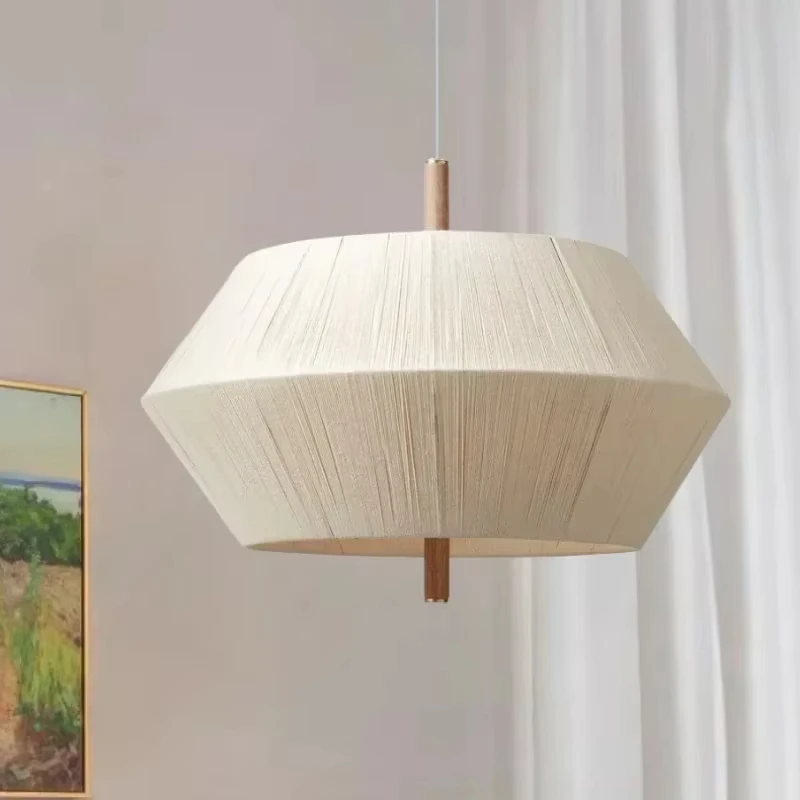
Lighting Guide
Embrace Imperfection with Wabi Sabi Pendant Light
A wabi sabi pendant light is more than a fixture—it’s a philosophy that celebrates the beauty of imperfection, and this guide will help you find the perfect one for your space.
Understanding the Wabi Sabi Aesthetic
Wabi sabi is a Japanese worldview centered on the acceptance of transience and imperfection. It finds beauty in asymmetry, simplicity, and the patina of age. In lighting, this translates to fixtures that feel organic, unpretentious, and deeply connected to nature.
When you choose a wabi sabi pendant light, you’re not just buying a lamp; you’re inviting a piece of this philosophy into your home. It’s a counterpoint to mass-produced perfection, offering a quiet, grounding presence.
Key Materials: Wood, Rope, and Rattan
The soul of a wabi sabi pendant light lies in its materials. Natural elements like wood, hemp rope, and rattan are staples, each bringing its own texture and story.
- Wood: Often left unfinished or lightly oiled, wood adds warmth and a sense of solidity. Look for grains that are visible and knots that tell a story.
- Hemp rope: This durable, fibrous material adds a rustic, earthy feel. It’s often used for hanging or wrapping, introducing a tactile element.
- Rattan: Woven rattan creates intricate patterns that cast beautiful shadows, adding depth to your space.
Consider how these materials age—they may darken or develop a patina, which is precisely the wabi sabi charm.
Choosing the Right Size and Scale
Proportion is crucial. A pendant that’s too large overwhelms a small room, while one too small gets lost in a spacious area. As a rule of thumb, add the room’s length and width in feet, and that sum in inches gives you the ideal diameter. For example, a 10×12-foot room calls for a 22-inch pendant.
Also, consider the height. Hang it low over a dining table for intimate gatherings, or higher in a room with tall ceilings to create a focal point. The goal is balance—neither imposing nor invisible.
Lighting Needs: Warmth and Ambiance
Wabi sabi lighting is about creating a warm, inviting glow, not harsh brightness. Look for fixtures that diffuse light softly, using materials like paper or fabric shades, or exposed bulbs with warm color temperatures (2700K–3000K).
Think about the purpose of the room. For a reading nook, you might need a focused beam, while for a dining area, a gentle, overall glow works best. Dimmers are a great addition, allowing you to adjust the mood from bright to cozy.
Placement Ideas: Where to Hang
The versatility of wabi sabi pendants makes them suitable for various spaces. Here are some ideas:
- Living Room: Hang one above a coffee table or in a corner to create a cozy reading spot.
- Dining Room: A single pendant above the table becomes a sculptural centerpiece.
- Bedroom: Flank the bed with two small pendants for balanced, soft lighting.
- Entryway: Make a first impression with a warm, welcoming glow.
Remember, wabi sabi is about simplicity, so avoid clutter around the fixture to let it shine.
Styling with Wabi Sabi Decor
To fully embrace the wabi sabi aesthetic, pair your pendant with complementary decor. Think natural textures like linen, stone, and ceramics. Muted, earthy tones—beige, clay, sage—work harmoniously. Incorporate handmade items with slight irregularities, as they echo the philosophy.
Plants, especially dried arrangements, add to the organic feel. The goal is to create a space that feels lived-in and serene, not staged.
Caring for Natural Materials
Natural materials require a bit of care to maintain their beauty. Dust regularly with a soft cloth or brush. For wood, occasional oiling can prevent drying. Rattan and rope can be wiped with a damp cloth, but avoid soaking. Over time, expect natural aging—this is part of the charm.
LED bulbs are an excellent choice, as they produce less heat and last longer, protecting the fixture.
Where to Find Quality Wabi Sabi Lights
Look for artisans or brands that specialize in handcrafted pieces. Online marketplaces like Etsy offer unique finds, but also check home decor stores that curate sustainable designs. When shopping, inspect the quality of materials and construction. A well-made pendant will last for years and age gracefully.
For more on the philosophy behind wabi sabi, you can explore this article.
Wabi Sabi Hemp Rope Rattan Led Pendant Light For Living Room Dining Room Bar Hotel Wood Chandelier Hanging Lamp Fixture Lustre
If you’re looking for a piece that captures this essence, the Wabi Sabi Hemp Rope Rattan Led Pendant Light offers a handcrafted blend of wood and natural fibers, perfect for living rooms, dining areas, and more.
Frequently asked questions
What is a wabi sabi pendant light?
A wabi sabi pendant light is a lighting fixture that embodies the Japanese aesthetic of wabi sabi, celebrating imperfection, natural materials, and simplicity. It typically features organic elements like wood, rattan, or rope and provides warm, diffused light.
What materials are commonly used?
Common materials include wood (often unfinished), hemp rope, rattan, bamboo, and paper. These materials age naturally and develop a patina, which is a key aspect of the wabi sabi philosophy.
How do I choose the right size?
A general rule is to add the room’s length and width in feet, and that sum in inches gives the ideal diameter. For example, a 12×14-foot room suggests a 26-inch pendant. Also consider ceiling height and the fixture’s purpose.
Can I use a wabi sabi pendant light in a modern home?
Absolutely. Wabi sabi lights add warmth and organic contrast to modern interiors. They blend well with minimalist, Scandinavian, or industrial styles, creating a balanced, inviting atmosphere.
