
Blog
Propane Fire Pit Table Buying Guide: Warmth & Style
Buying Guide
Your Propane Fire Pit Table Buying Guide
A propane fire pit table can transform your outdoor space into a cozy retreat, but with so many options, how do you pick the right one? This guide will walk you through everything you need to know.
Why Choose a Propane Fire Pit Table?
There’s something magical about gathering around a fire, but traditional wood-burning pits come with a lot of hassle—chopping wood, cleaning ash, and dealing with smoke. A propane fire pit table offers the same ambiance without the mess. It lights instantly, adjusts to your desired flame height, and turns off with a simple knob. Plus, it doubles as a table, making it a practical centerpiece for your patio.
Whether you’re hosting a summer BBQ or enjoying a quiet autumn evening, a propane fire pit table extends your outdoor living season. It’s an investment in comfort and style, and with the right knowledge, you’ll find the perfect one for your needs.
Key Factors to Consider Before Buying
Before you dive into the market, take a moment to consider your space and how you’ll use the fire pit table. Here are the essential factors:
- Size and shape: Measure your patio or deck to determine the appropriate table size. Round tables are great for intimate gatherings, while rectangular ones fit larger spaces and can seat more people.
- Material: Fire pit tables come in various materials like steel, aluminum, and wicker. Steel is durable and holds heat well, but it can rust if not coated. Aluminum is lightweight and rust-resistant, while wicker adds a natural look but may require more care.
- BTU output: BTUs (British Thermal Units) indicate heat output. For a comfortable flame, look for a model with at least 30,000 BTUs. Higher BTUs produce more heat, but they also consume more propane.
- Ignition type: Electronic ignition is the most convenient, offering a push-button start. Manual ignition requires a lighter or match, which is less convenient but often more affordable.
- Safety features: Look for safety certifications and features like automatic shut-off valves and anti-tip mechanisms, especially if you have kids or pets.
By evaluating these factors, you’ll narrow down your options and find a fire pit table that fits your lifestyle.
Size and Placement: Finding the Right Fit
The size of your propane fire pit table should complement your outdoor area without overwhelming it. For small balconies, a compact table around 28 inches in diameter is ideal. For larger patios, consider a table that’s 40 inches or more. Also, think about clearance – you’ll need at least 3 feet of space around the table for safety and comfortable seating.
Placement is equally important. Position the table on a flat, non-combustible surface. Avoid placing it under low-hanging branches or a covered roof unless the table is rated for such use. Always check the manufacturer’s guidelines for safe distances from walls and flammable materials.
Seating Considerations
How many people do you want to seat around the fire? Round tables typically accommodate 4-6 people, while rectangular tables can seat 6-8. Ensure there’s enough legroom and that the table height (usually around 24-26 inches) works with your outdoor chairs.
Materials and Durability: What Lasts?
The material of your fire pit table affects both its appearance and longevity. Here’s a breakdown of common materials:
- Steel: Heavy and sturdy, steel tables are built to last. They retain heat well, but they can rust if the protective coating is scratched. Look for powder-coated steel for extra durability.
- Aluminum: Lightweight and rust-proof, aluminum is great for coastal areas. It’s easier to move around, but it doesn’t hold heat as well as steel.
- Wicker/Rattan: Often woven over a steel frame, wicker adds a classic, warm look. It’s less weather-resistant, so it may need covers or storage in harsh climates.
- Stone/Concrete: These materials offer a high-end look and excellent durability, but they are very heavy and may require professional installation.
Consider your climate and maintenance preferences when choosing a material. If you live in an area with harsh winters, you’ll need a table that can withstand freezing temperatures or be moved indoors.
Safety First: Essential Tips
Safety should always be your top priority when using any fire feature. Here are some crucial tips:
- Always place the fire pit on a stable, non-flammable surface like concrete or stone.
- Keep a fire extinguisher or a bucket of sand nearby.
- Never leave the fire unattended, especially with children or pets around.
- Check for gas leaks regularly by applying soapy water to the connections and looking for bubbles.
- Follow the manufacturer’s instructions for lighting and shutting off the fire.
- Store propane tanks in a cool, dry place away from direct sunlight and heat sources.
By following these guidelines, you can enjoy your fire pit table with peace of mind. For more detailed safety information, refer to the Fire Safety guidelines on Wikipedia.
Style and Design: Matching Your Decor
Your fire pit table is not just a heat source; it’s a focal point. Choose a style that complements your outdoor decor. Modern spaces benefit from sleek, minimalist designs in black or stainless steel. Traditional settings look great with bronze or copper finishes, while rustic patios pair well with stone or wood-look materials.
Consider the shape: round tables encourage conversation, while square or rectangular tables are more versatile for dining. Some tables come with lids or covers that turn them into regular tables when not in use – a great space-saving feature.
Also, think about the flame style. Some models have a simple ring of fire, while others feature glass beads or lava rocks that add texture and color. These not only look beautiful but also help distribute heat evenly.
Maintenance and Care: Keeping It Pristine
Proper maintenance will extend the life of your propane fire pit table. Here’s how to keep it in top shape:
- Clean the burner and lava rocks regularly to remove debris and soot.
- Check the gas connections for wear and tear.
- Cover the table when not in use to protect it from the elements.
- For steel tables, touch up any scratches with high-heat paint to prevent rust.
- In winter, store the table indoors or use a heavy-duty cover.
With a little care, your fire pit table will provide warmth and beauty for years to come.
Conclusion: Making the Right Choice
Choosing the perfect propane fire pit table involves balancing size, material, safety, and style. By considering your space and needs, you’ll find a table that enhances your outdoor living experience. Remember, the best fire pit table is one that you’ll use often and enjoy for seasons.
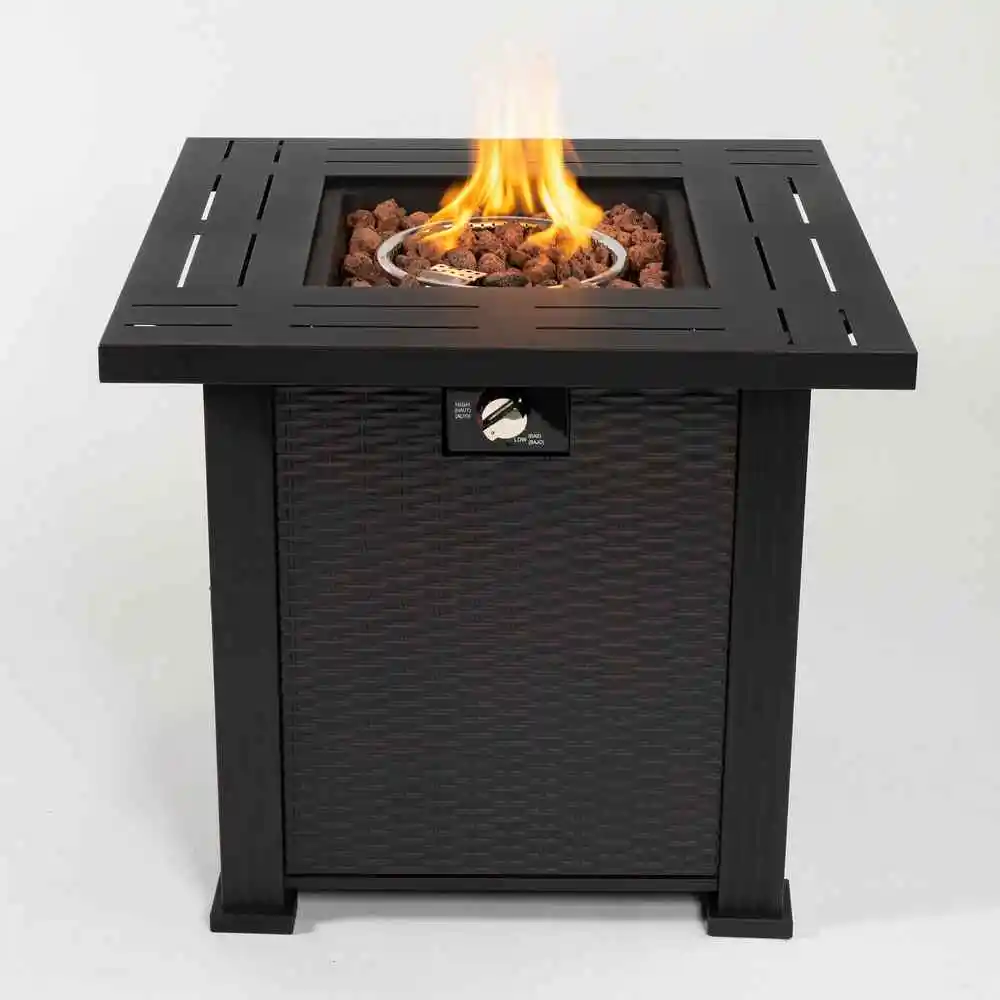
If you’re looking for a reliable and stylish option, consider the 28″ Propane Gas Fire Pit Table, BTU Square Steel Fire Pit for Outside Patio Deck Garden Backyard-Black. It offers a compact size, durable steel construction, and a beautiful flame that will make your patio the go-to spot.
28″ Propane Gas Fire Pit Table, BTU Square Steel Fire Pit for Outside Patio Deck Garden Backyard-Black
For a reliable and compact option, the 28″ Propane Gas Fire Pit Table offers a sturdy steel build and a warm, inviting flame that fits perfectly on any patio.
Frequently asked questions
How much propane does a fire pit table use?
A typical propane fire pit table uses about 1 to 2 pounds of propane per hour on high, depending on the BTU output. A standard 20-pound tank can last roughly 10-20 hours of continuous use.
Can I use a propane fire pit table on a wooden deck?
Yes, but you must place a non-combustible mat or pad under the table to protect the deck from heat. Also, ensure the table has proper clearance and is approved for deck use.
What is the difference between a fire pit table and a fire pit?
A fire pit table is designed to double as a table, with a flat surface around the fire area for placing drinks or decor. A traditional fire pit is typically lower and used primarily for warmth and ambiance.
How do I clean a propane fire pit table?
Regularly wipe down the exterior with a mild soap and water solution. Clean the burner and lava rocks by removing debris and using a brush. Check the gas lines for any blockages. Always ensure the fire is off and cool before cleaning.
