
Blog
Freestanding Fire Pit Buying Guide: Warmth & Style
Buying Guide
Your Ultimate Freestanding Fire Pit Buying Guide
When you’re shopping for a freestanding fire pit, the options can feel endless—but this guide breaks down everything you need to know to make the right choice for your backyard or patio.
Why Choose a Freestanding Fire Pit?
A freestanding fire pit offers flexibility that built-in models simply can’t match. You can move it to follow the sun, tuck it away during off-season, or rearrange your outdoor space on a whim. Unlike permanent installations, a freestanding unit doesn’t require construction or permits, making it an accessible upgrade for renters and homeowners alike.
Beyond practicality, these fire pits become natural gathering spots. The crackle of flames and the warmth they radiate extend your outdoor living time well into cooler evenings. Whether you’re roasting marshmallows with kids or hosting a grown-up cocktail hour, a freestanding fire pit sets the scene.
Fuel Types: Wood, Propane, or Natural Gas
The fuel you choose defines your fire pit experience in terms of convenience, cost, and ambiance. Here’s a quick breakdown to help you weigh the trade-offs.
Wood-Burning Fire Pits
There’s something primal about a wood fire—the scent, the sparks, the ever-changing flames. Wood-burning pits are typically the least expensive upfront and require no hookups. However, they demand a steady supply of seasoned logs, constant tending, and patience with smoke and ash. If you love the ritual, this is your route.
Propane Fire Pits
Propane models offer quick ignition and easy control via a dial. You’ll need to swap or refill tanks periodically, but there’s no smoke or ash to manage. They’re a popular middle ground for those who want convenience without committing to a gas line.
Natural Gas Fire Pits
Natural gas fire pits connect directly to your home’s gas line, so you never worry about running out of fuel. They’re clean-burning, eco-friendly, and provide steady heat at the flip of a switch. Installation requires a professional, but the long-term convenience is unmatched. For a seamless, always-ready experience, natural gas is a stellar choice.
Key Features to Look For
Not all fire pits are created equal. Pay attention to these details to ensure your investment lasts and performs well.
- BTU Output: Higher BTUs mean more heat. For a comfortable glow, look for at least 30,000–50,000 BTUs.
- Material: Steel, cast iron, and aluminum are common. Galvanized steel resists rust and corrosion, making it a durable outdoor pick.
- Spark Screen: Essential for safety, especially with wood-burning pits.
- Portability: Check for handles, wheels, or lightweight construction if you plan to move it.
- Style: From sleek modern to rustic, pick a design that complements your outdoor aesthetic.
Material and Durability
The material of your fire pit affects not only looks but also how well it withstands weather and heat. Cast iron retains heat beautifully but can rust if not sealed. Stainless steel is sleek and corrosion-resistant, though it may discolor with high heat. Galvanized steel offers excellent rust protection and is often more affordable—a smart choice for coastal areas or rainy climates.
Also consider the finish. Powder-coated finishes add a layer of protection against scratches and fading. If you live in an area with harsh winters, you’ll want a pit that can handle freezing temperatures without cracking.
Safety Considerations
Fire safety is non-negotiable. Always place your freestanding fire pit on a stable, non-combustible surface like concrete, stone, or gravel. Keep it at least 10 feet away from structures, trees, and flammable materials. Check local regulations—some areas have burn bans or require permits for open flames.
For gas models, ensure all connections are tight and leak-free. A spark screen or lid is a wise addition to prevent embers from escaping. And never leave a fire unattended, especially with children or pets around. For more detailed safety guidelines, the National Fire Protection Association offers excellent resources.
Placement and Space Planning
Think about where you’ll place your fire pit. It should be the focal point of your outdoor seating area, but also leave ample room for chairs and foot traffic. A diameter of 36–48 inches is typical for a freestanding unit. Measure your patio or deck to ensure a comfortable fit—you don’t want it crowding your space or blocking walkways.
Consider wind direction too. Position the pit so smoke (if wood-burning) blows away from seating. And if you’re on a balcony or rooftop, check weight limits and fire codes. With a little planning, your fire pit will integrate seamlessly into your outdoor living area.
Style and Aesthetics
Your fire pit is more than a heat source—it’s a design element. Modern fire pits come in a range of styles: minimalist bowls, rustic stone, industrial steel, or artistic sculptures. Choose one that echoes your home’s architecture and your personal taste. A galvanized steel pit with clean lines can complement contemporary spaces, while a copper fire bowl adds warmth and patina over time.
Don’t forget accessories like fire glass, lava rocks, or logs to enhance the visual appeal. These not only look great but also help distribute heat evenly. With so many options, you’re sure to find a fire pit that feels like it was made for your outdoor oasis.
Maintenance and Care
Proper maintenance extends the life of your fire pit. For wood-burning models, regularly remove ash and debris to prevent rust. Cover your pit when not in use to shield it from rain and snow. For gas pits, inspect hoses and connections periodically for wear. Clean the burner and replace lava rocks or glass as needed.
Galvanized steel requires minimal upkeep—just wipe it down occasionally to remove dirt and soot. With a little attention, your fire pit will stay beautiful and functional for years. And when you’re ready to upgrade, consider a natural gas model for effortless operation and clean burning.
Natural Gas Metal Fire Pit BTU Freestanding Galvanized Eco-Friendly Indoor/Outdoor Use
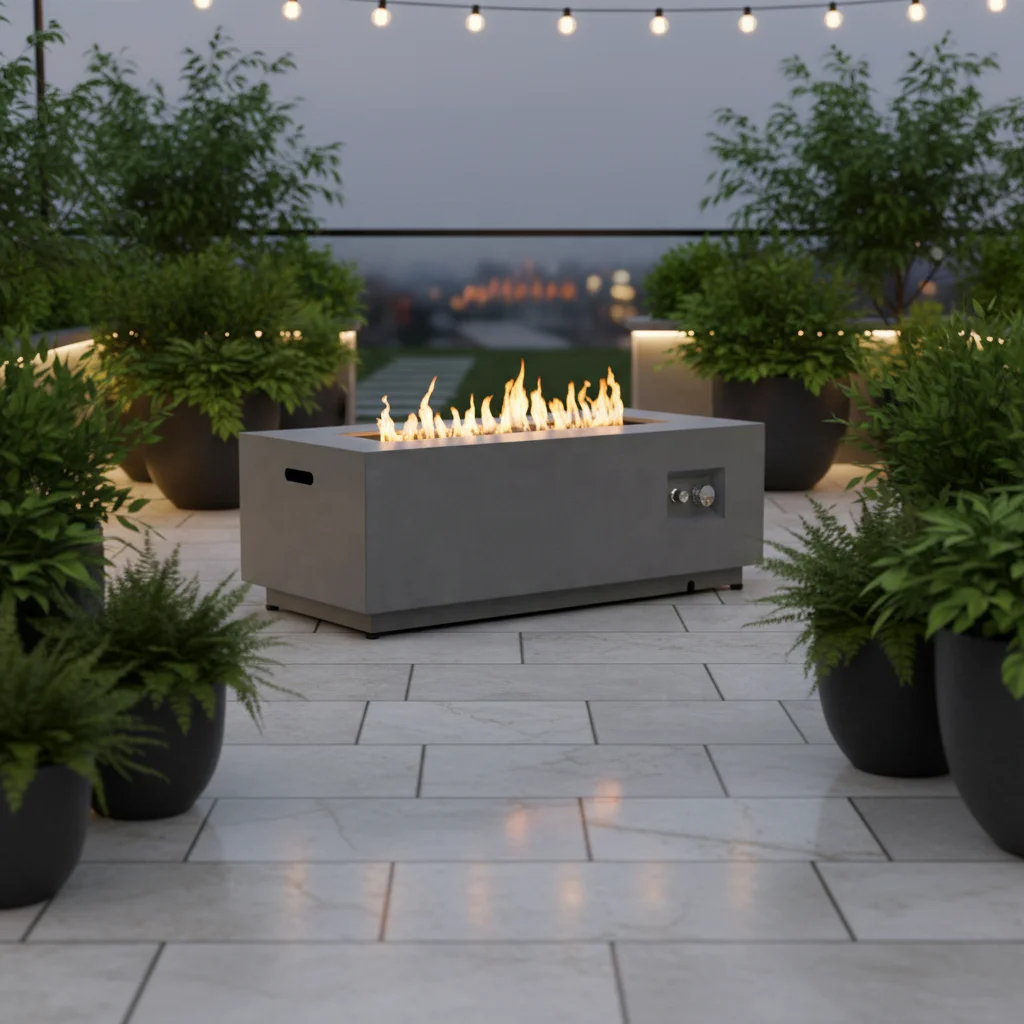
For a hassle-free, eco-friendly option, consider our Natural Gas Metal Fire Pit BTU Freestanding Galvanized Eco-Friendly Indoor/Outdoor Use—it delivers reliable warmth with no smoke or ash.
Frequently asked questions
What is the best fuel type for a freestanding fire pit?
It depends on your priorities. Wood offers a traditional experience but requires more effort. Propane is convenient and portable, while natural gas provides the ultimate convenience with a direct line. Choose based on your lifestyle and installation options.
How much heat does a freestanding fire pit produce?
Heat output is measured in BTUs. A typical fire pit ranges from 30,000 to 70,000 BTUs. Higher BTUs are better for colder climates, while lower BTUs are sufficient for mild evenings.
Can I use a freestanding fire pit on a wooden deck?
Yes, but you must use a protective pad or fire-resistant mat underneath to shield the deck from heat and sparks. Always follow the manufacturer’s clearance recommendations.
Are natural gas fire pits eco-friendly?
Natural gas burns cleaner than wood, producing fewer particulates and less smoke. It’s a more environmentally friendly option compared to wood-burning pits.
