
Blog
The Ultimate Guide to Choosing Outdoor Planters
Buying Guide
Outdoor Planters: A Complete Buying Guide
Choosing the right outdoor planters can transform your garden or patio, but with so many options, it’s easy to feel overwhelmed. This guide will walk you through everything you need to know, from materials to drainage, so you can make a confident choice.
Why Outdoor Planters Matter
Outdoor planters are more than just containers; they are the foundation of your container garden. They provide the necessary space for roots to grow, influence how often you need to water, and can even affect the temperature of the soil. A well-chosen planter can make gardening easier and more enjoyable, while a poor choice can lead to stressed plants and constant maintenance.
Whether you have a sprawling backyard or a tiny balcony, the right planters allow you to grow everything from herbs to small trees. They also let you rearrange your greenery with ease, adapting to seasons and changing tastes. In short, they are an essential tool for any gardener.
Materials: Pros and Cons
The material of your outdoor planters affects durability, weight, insulation, and appearance. Here’s a breakdown of the most common options:
- Terracotta: Classic and porous, allowing air and moisture to pass through. However, it can crack in freezing temperatures and dries out quickly.
- Ceramic/Glazed: Non-porous and available in many colors. They are heavier and can also crack if not drained properly.
- Plastic/Resin: Lightweight, affordable, and available in many styles. They can become brittle in extreme cold but are generally durable.
- Wood: Natural look and good insulation. Requires treatment to prevent rot and may need lining for long-term use.
- Metal: Sleek and modern, but can heat up quickly in direct sun, potentially damaging roots. Often used as decorative covers.
- Concrete/Stone: Extremely durable and heavy, providing stability for larger plants. They can be expensive and hard to move.
Consider your climate, the weight you can manage, and the aesthetic you prefer when choosing.
Size and Depth: Matching Plant Needs
Size matters when it comes to outdoor planters. A general rule is that the planter should be at least 2 inches larger in diameter than the plant’s root ball, but deeper is often better for most plants. Deep planters allow for better root development and reduce the frequency of watering.
For example, shallow-rooted plants like lettuce and herbs do well in planters that are 6-8 inches deep, while tomatoes and shrubs need at least 12-18 inches. Always check the mature size of your plant and choose a planter that provides ample room for growth.
Also, consider the weight of the filled planter. A large planter can become very heavy, so if you plan to move it, choose a lighter material or use a plant caddy.
Drainage and Watering: Keeping Roots Healthy
Proper drainage is non-negotiable for outdoor planters. Without drainage holes, water can pool at the bottom, leading to root rot and other issues. Look for planters with holes, or if you fall in love with one without them, you can drill your own (except for ceramic or glass).
To improve drainage, add a layer of gravel or broken pottery at the bottom before adding soil. Also, consider using a well-draining potting mix that includes perlite or vermiculite.
Watering frequency depends on the material, size, and weather. Porous materials like terracotta dry out faster, so you may need to water more often. Self-watering planters are a great option for those who travel or forget to water, as they have a reservoir that provides consistent moisture.
Style and Aesthetics: Complementing Your Space
Outdoor planters are also decorative elements. They can define the style of your outdoor area, from rustic to contemporary. Consider the color, shape, and texture of the planters in relation to your home and garden.
For a cohesive look, choose planters that complement your existing furniture and architecture. You can also mix and match different sizes and heights to create visual interest. Remember that the planter should enhance, not overpower, the plants.
If you have a small space, vertical planters or wall-mounted options can save space and add greenery without taking up floor area. Hanging planters are also great for adding a pop of color at eye level.
Vertical Gardening: Making the Most of Small Spaces
Vertical gardening is a smart solution for small patios, balconies, or walls. It involves growing plants upwards using structures like trellises, wall-mounted pockets, or stacked containers. Not only does it save space, but it can also create a stunning green wall.
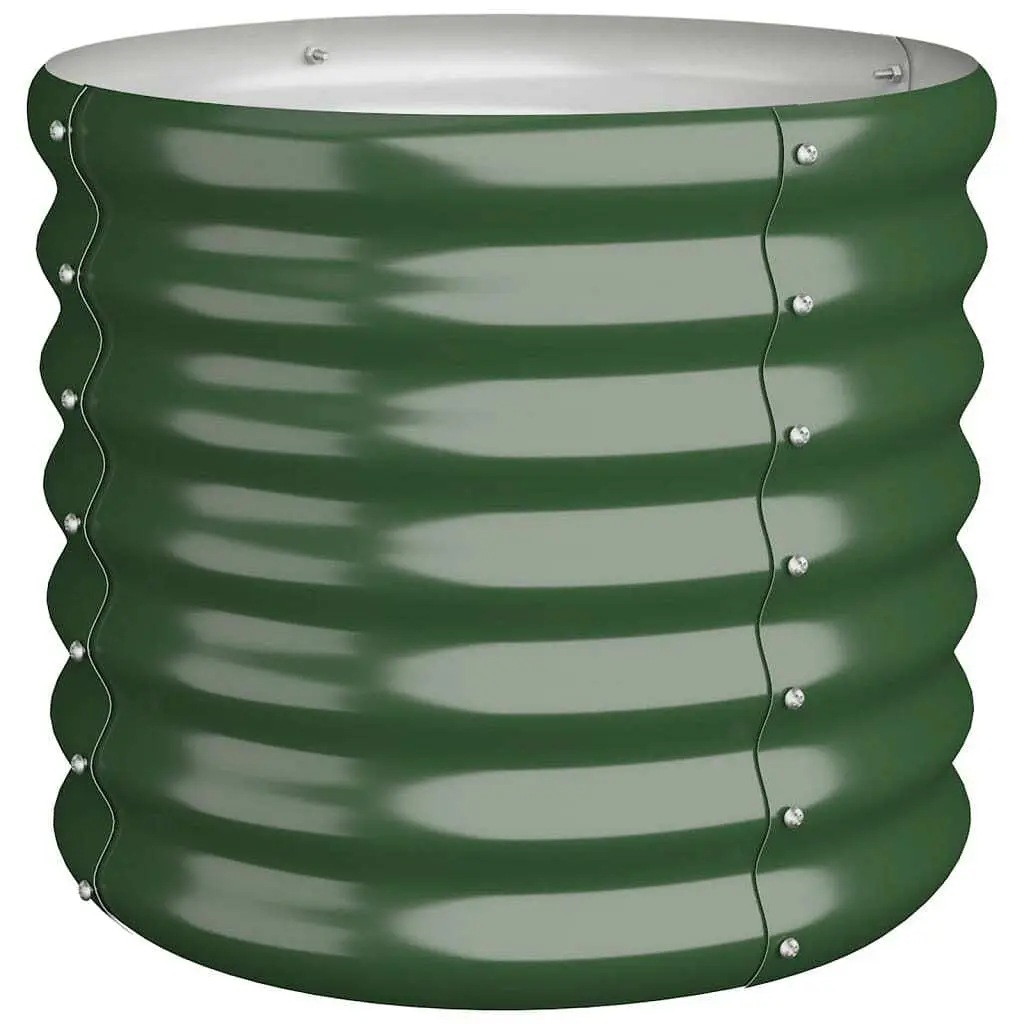
When choosing planters for vertical gardening, consider lightweight options that are easy to secure. Some planters are specifically designed for this purpose, with built-in mounting systems or hooks. For example, the W2B VidaXL Large Outdoor Planters Set Green Powder-Coated Steel is vertical gardening friendly, allowing you to grow a variety of plants in a compact area.
Vertical gardening also helps with air circulation and can reduce pest issues. It’s a great way to grow herbs and leafy greens right outside your kitchen door.
Seasonal Care and Maintenance
To keep your outdoor planters looking their best year-round, some maintenance is required. In cold climates, protect planters from freezing by moving them indoors, wrapping them in burlap, or using frost-proof materials.
Clean your planters regularly to prevent algae and mineral buildup. A simple scrub with mild soap and water works well. In the spring, refresh the soil and consider repotting plants that have outgrown their containers.
During hot summers, mulch the top of the soil to retain moisture and keep roots cool. And don’t forget to fertilize regularly, as nutrients can leach out with frequent watering.
Eco-Friendly Options
If sustainability is important to you, there are eco-friendly outdoor planters made from recycled materials, sustainably sourced wood, or natural fibers like bamboo. These options reduce your carbon footprint and often have a unique, earthy look.
You can also repurpose old items like metal buckets, wooden crates, or even old tires as planters. Just ensure they have proper drainage and are safe for food crops if you’re growing edibles.
By choosing durable, long-lasting planters, you also reduce waste. Investing in quality materials means you won’t have to replace them often.
For more inspiration on sustainable gardening, check out this article on container gardening.
W2B VidaXL Large Outdoor Planters Set Green Powder-Coated Steel Durable and Vertical Gardening Friendly Garden Planter
For a durable and versatile option, consider the W2B VidaXL Large Outdoor Planters Set Green Powder-Coated Steel, which is both sturdy and space-saving.
Frequently asked questions
What is the best material for outdoor planters?
The best material depends on your climate, aesthetic, and budget. Terracotta is classic but fragile; plastic is lightweight and affordable; metal is modern but can heat up; concrete is durable but heavy. Consider your specific needs and choose accordingly.
How do I choose the right size planter for my plant?
A general rule is to select a planter that is at least 2 inches larger in diameter than the plant’s root ball. For depth, check the plant’s mature size. Shallow-rooted plants need 6-8 inches, while deeper-rooted ones require 12-18 inches or more.
Do outdoor planters need drainage holes?
Yes, proper drainage is essential to prevent root rot. Most planters come with holes, but if not, you can drill them yourself (except for ceramic or glass). Alternatively, use a layer of gravel at the bottom to improve drainage.
Can I leave outdoor planters out in winter?
It depends on the material. Terracotta and ceramic can crack in freezing temperatures, so move them indoors or wrap them. Plastic, fiberglass, and metal are more frost-resistant. Always empty water and store them in a sheltered area if possible.
