
Blog
Patio Heater Propane Buying Guide: Stay Warm Outdoors
Buying Guide
How to Choose a Patio Heater Propane Unit
When the temperature drops, a patio heater propane unit can extend your outdoor time well into the evening. But with so many options, it’s easy to feel overwhelmed—so let’s break down what matters most.
Understanding Patio Heater Propane Basics
Before you shop, it helps to know how a patio heater propane model works. Essentially, it burns propane from a tank to produce radiant heat, which warms people and objects directly rather than the air. This makes them efficient for open spaces.
There are three main types: freestanding, tabletop, and mounted. Freestanding units are tall and stable, ideal for large patios. Tabletop versions sit on a table and are great for small balconies. Mounted heaters attach to walls or ceilings, saving floor space.
Consider your space and how often you entertain. A larger area needs a higher BTU output, while a cozy nook might do with less. Also, think about storage: do you have room for a propane tank? Some models hide the tank, others expose it.
Key Features to Look For
When comparing patio heater propane options, focus on these features:
- BTU Output: The heat output, measured in British Thermal Units. For most residential use, 30,000 to 50,000 BTUs is sufficient. Higher BTUs for larger spaces.
- Ignition System: Piezo or electronic ignition. Piezo is simple and battery-free, but electronic is more reliable in wind.
- Safety Shutoff: A tip-over switch and oxygen depletion sensor are crucial for safety.
- Material: Stainless steel or powder-coated steel resists rust and lasts longer.
- Wheels: If you need to move the heater, look for sturdy wheels.
Don’t forget to check the reflector shape—some direct heat downward better, reducing heat loss.
How Much Heat Do You Really Need?
BTU ratings can be confusing, but here’s a simple rule: for a small patio (up to 100 sq ft), 30,000 BTUs is enough. For a medium one (100-200 sq ft), aim for 40,000-50,000 BTUs. For large spaces, you might need multiple heaters or a higher output.
Also consider the climate. In windy areas, you’ll need more BTUs to compensate for heat loss. In mild climates, a lower output is fine.
Remember, it’s not just about BTUs—the heater’s efficiency matters. Look for models with a high-efficiency reflector and a good heat distribution design.
Safety First: Using Propane Heaters Responsibly
Safety is paramount with any propane appliance. Always read the manufacturer’s instructions. Here are key tips:
- Place the heater on a flat, stable surface to prevent tipping.
- Keep it at least 3 feet away from combustible materials like furniture, curtains, or plants.
- Never leave it unattended while lit, especially with children or pets.
- Check for gas leaks regularly using soapy water on the connections.
- Store propane tanks outdoors, away from ignition sources.
For more detailed safety guidelines, refer to the National Propane Gas Association (or Wikipedia’s propane page) for general information.
Maintenance and Care for Longevity
With proper care, a patio heater propane unit can last many years. After each use, turn off the gas and let it cool before covering. Clean the burner and reflector periodically to remove dust and debris. Check the hose for cracks or wear.
Before winter, drain the tank and disconnect it. Store the heater indoors if possible. If you live in a humid area, wipe down metal parts to prevent rust.
Regular maintenance not only extends life but also ensures safe operation.
Wind Resistance and Placement
Wind can significantly reduce a heater’s effectiveness. If your patio is exposed, consider a model with a wind-resistant design, like a pyramid shape or a wind guard. Place the heater strategically—near seating but not directly in the path of strong gusts.
Also, consider the height. A taller heater spreads heat over a wider area, but a shorter one might be cozier for small groups. Test different positions to find the sweet spot.
Eco-Friendly and Cost Considerations
Propane is a clean-burning fuel, but it’s still a fossil fuel. To minimize environmental impact, use the heater only when needed. Some models are more efficient, so look for ones with better heat output per BTU.
Cost-wise, propane is generally cheaper than electric for high heat output. But remember to factor in the initial cost of the heater and the tank. Over time, a quality unit pays off.
Choosing the Right Size and Style
Beyond function, consider aesthetics. A patio heater propane unit should complement your outdoor decor. From sleek stainless steel to classic bronze, there’s a style for every taste.
Size matters too. A 7-foot tall heater is imposing but effective; a 5-foot one is more discreet. Measure your space and visualize where you’ll place it.
If you’re short on space, a portable tabletop model might be best. For large gatherings, a tall freestanding unit is better.
In the end, the right choice balances heat output, safety, style, and budget.
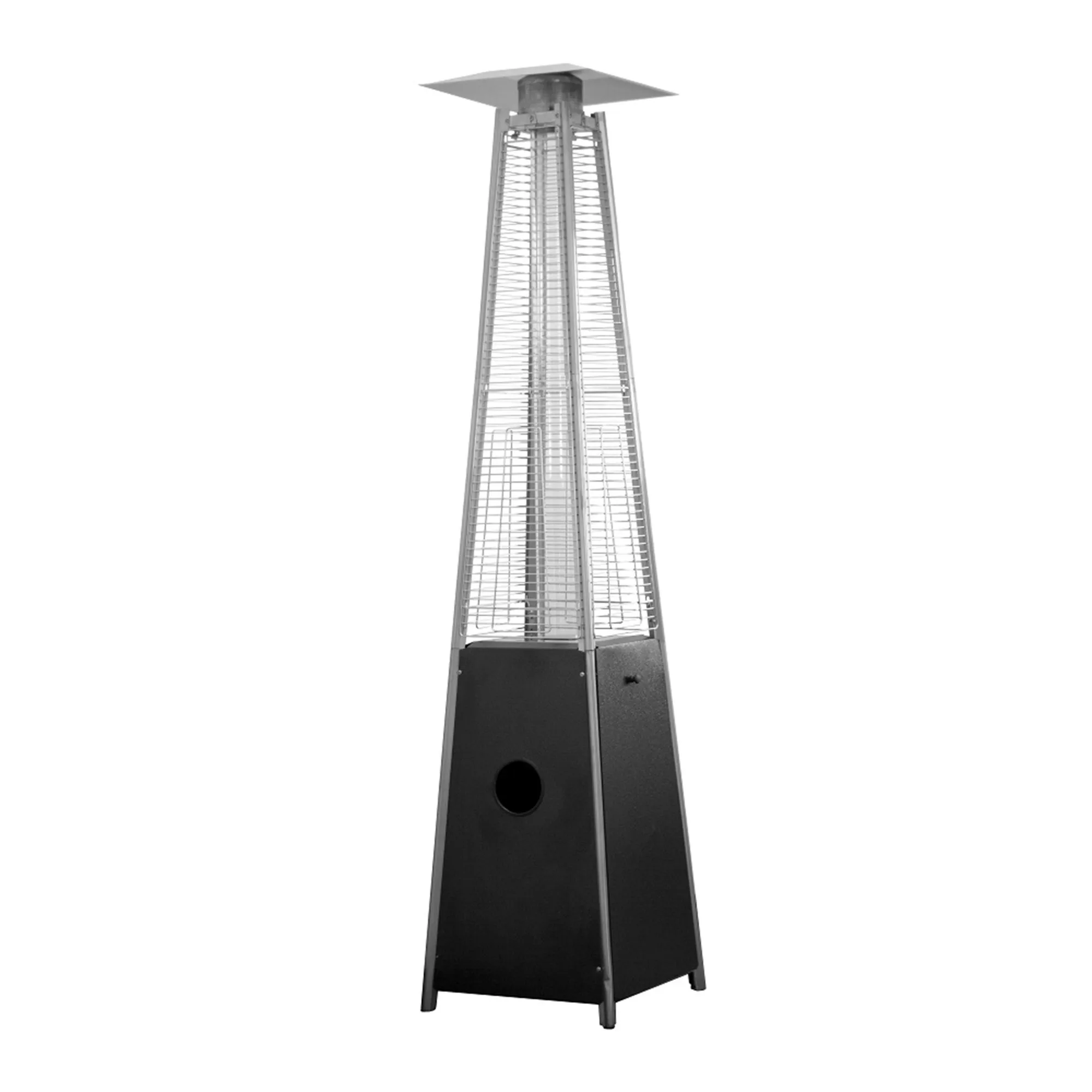
BTU Black Steel Stainless Patio Heater Propane Triangular Pyramid Standing for Garden Gas Fueled Outdoor Butane Heater
For a stylish and efficient option, consider the BTU Black Steel Stainless Patio Heater Propane Triangular Pyramid Standing for Garden Gas Fueled Outdoor Butane Heater, which combines durability with even heat dispersion.
Frequently asked questions
How long does a 20 lb propane tank last on a patio heater?
Typically, a 20 lb tank lasts about 10-15 hours at full output, but it varies with BTU and settings. On low, it can last longer.
Can I use a patio heater indoors?
No, never use a propane patio heater indoors or in enclosed spaces. It produces carbon monoxide, which is deadly.
What is the safest way to light a propane patio heater?
Follow the manufacturer’s instructions. Usually, you open the gas valve, wait a few seconds, then press the ignition button. If it doesn’t light, turn off gas and wait before trying again.
Are pyramid patio heaters better than dome ones?
Pyramid heaters often provide 360-degree heat distribution, making them efficient for gatherings. Dome heaters direct heat downward, which can be better for focused warmth. It depends on your needs.
