
Blog
How to Choose the Perfect Propane Fire Pit
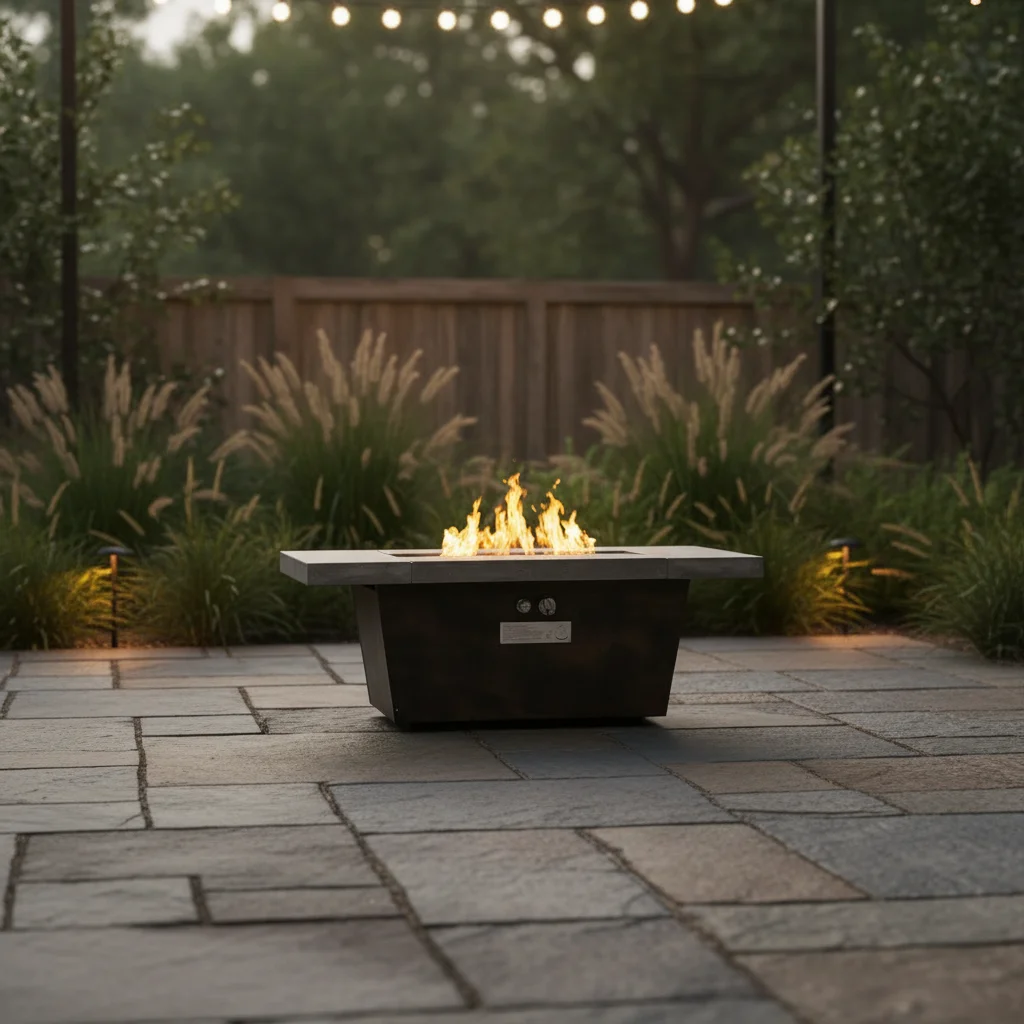
Buying Guide
Your Ultimate Propane Fire Pit Buying Guide
A propane fire pit can transform your outdoor living space, offering warmth and ambiance without the hassle of wood. But with so many options, how do you pick the right one?
Why Choose a Propane Fire Pit?
Propane fire pits have become a popular choice for homeowners who want the cozy feel of a campfire without the smoke, sparks, and cleanup. Unlike wood-burning pits, they ignite instantly and can be turned off with a simple knob, making them convenient for everyday use. They also produce less particulate matter, which is better for air quality and your neighbors.
If you live in an area with burn bans or have limited outdoor space, a propane fire pit is often the most practical option. It’s also a safer choice if you have children or pets, as there’s no flying embers or hot ash to worry about.
Safety Considerations for Propane Fire Pits
Safety should be your top priority when selecting a propane fire pit. Look for models that meet industry standards, such as those certified by CSA or UL. These certifications ensure the product has been tested for safe operation.
- Check for a sturdy base that won’t tip over easily.
- Ensure there’s adequate ventilation to prevent gas buildup.
- Look for a shut-off valve that’s easy to reach in case of emergency.
- Consider models with a flame failure device that automatically cuts gas if the flame goes out.
Always follow the manufacturer’s instructions and local regulations. For more on outdoor fire safety, you can refer to the National Fire Protection Association.
Materials and Durability
The material of your propane fire pit affects not only its appearance but also its longevity. Common materials include steel, aluminum, cast iron, and stone. Steel is sturdy and affordable, but it can rust if not coated. Aluminum is lightweight and corrosion-resistant, making it ideal for coastal areas. Cast iron retains heat well but is heavy and may crack in freezing temperatures.
For a modern look, consider a fire pit with a powder-coated steel bowl, which resists chipping and fading. If you plan to leave it outdoors year-round, look for a model with a weather-resistant finish.
Size and Portability
Think about where you’ll place your propane fire pit. If you have a large patio, a spacious tabletop model can serve as a centerpiece. For smaller balconies or decks, a compact, portable pit might be more suitable. Portable models often come with wheels or handles, making them easy to move.
Also, consider the heat output. A larger pit will produce more BTUs, warming a bigger area. However, you don’t want to overpower a small space. As a rule of thumb, a 30,000–40,000 BTU fire pit is sufficient for most residential settings.
Style and Design
Your fire pit should complement your outdoor décor. From rustic stone to sleek stainless steel, there’s a design for every taste. Some pits feature a tabletop around the flame, providing a convenient surface for drinks or snacks. Others are bowl-shaped, allowing for a more traditional fire experience.
If you have a modern aesthetic, look for clean lines and minimalist shapes. For a classic look, consider a copper or bronze finish that develops a beautiful patina over time.
Fuel Efficiency and Environmental Impact
Propane is a clean-burning fossil fuel, but it’s still important to consider efficiency. Look for pits with a high BTU output and a design that directs heat where you need it. Some models come with adjustable flame settings, allowing you to control the heat and conserve fuel.
Remember that propane is stored in tanks, which you’ll need to refill or exchange. Consider the size of the tank and how often you’ll use the pit. A 20-pound tank will typically last about 10 hours at medium heat.
Ease of Assembly and Maintenance
Some propane fire pits require assembly, while others come pre-assembled. If you’re not handy, look for a model with simple instructions and minimal parts. Maintenance is also key: clean the burner and check for clogs regularly. Cover your pit when not in use to protect it from the elements.
Many modern pits feature a modular design that makes them easy to store during off-season. For example, a knocked-down square desktop spliced design can be disassembled and tucked away.
Accessories to Enhance Your Experience
Consider additional accessories like a lid to protect the burner, a wind guard, or a decorative stone filler. Some pits come with a built-in igniter for push-button start, which is a convenient feature. You might also want a matching cover to keep your pit clean when not in use.
Finally, think about the placement of your fire pit in relation to seating. You’ll want to create a cozy gathering spot where everyone can enjoy the warmth.
Durable Indoor/Outdoor Metal Propane Gas Fire Pit with Steel Bowl Knocked Down Square Desktop Spliced Design
For a versatile and stylish option, consider the Durable Indoor/Outdoor Metal Propane Gas Fire Pit with Steel Bowl Knocked Down Square Desktop Spliced Design, which combines portability with a modern aesthetic.
Frequently asked questions
How long does a propane tank last for a fire pit?
A standard 20-pound propane tank typically lasts 8–12 hours at medium heat. Higher settings will consume fuel faster.
Can I use a propane fire pit indoors?
No, propane fire pits are designed for outdoor use only. Using them indoors can lead to carbon monoxide poisoning and fire hazards.
What is the best material for a propane fire pit?
Steel is durable and affordable, while aluminum is rust-resistant and lightweight. For high heat retention, cast iron is excellent but heavy.
Do propane fire pits need ventilation?
Yes, they require proper airflow to ensure complete combustion and prevent gas buildup. Always use in open or well-ventilated areas.
