
Blog
Amethyst Crystal Specimen: A Collector’s Guide
Crystal Guide
Amethyst Crystal Specimen: Your Essential Buying Guide
An amethyst crystal specimen can be a stunning addition to any space, but choosing the right one requires a keen eye. In this guide, we’ll walk you through the key factors to consider, from color and clarity to ethical sourcing.
Understanding Amethyst Crystal Specimens
Amethyst, a violet variety of quartz, has captivated humans for centuries with its rich hues and purported metaphysical properties. A natural amethyst crystal specimen is a piece of this mineral as it formed in the earth, often retaining its rough, raw exterior or showcasing well-defined crystal points. When you’re in the market for one, it’s helpful to know that not all amethyst is created equal. The value and appeal of a specimen depend on several factors, including color, clarity, formation, and origin.
Whether you’re a seasoned collector or a first-time buyer, understanding these basics will empower you to make an informed purchase. This guide aims to demystify the process, offering practical advice that goes beyond the surface.
Evaluating Color and Clarity
The most sought-after amethyst exhibits a deep, saturated purple with hints of red or blue. This color is often referred to as ‘Deep Siberian’ or ‘Royal Aztec’ in the trade. When evaluating a specimen, look for uniform color distribution, though natural variations like color zoning can add character. Avoid stones with washed-out or muddy tones.
Clarity refers to the presence of inclusions or fractures. While some inclusions are natural and can add to the uniqueness, excessive cloudiness or cracks may detract from the stone’s beauty and structural integrity. Hold the specimen up to the light to inspect its translucency and internal features. Remember, a truly fine amethyst crystal specimen should have a glassy luster when polished, but rough specimens have their own rustic charm.
Formation and Crystal Habits
Amethyst forms in various ways, each yielding a different aesthetic. The most iconic is the crystal point, where individual hexagonal prisms terminate in pyramid-like tips. Clusters, where multiple points grow together on a matrix, are also popular for display. Geodes, which are spherical rocks with crystal-lined cavities, offer a dramatic interior reveal. When choosing, consider the shape that appeals to you and how it will fit into your decor.
The size and weight of the specimen also matter. Larger pieces make a statement but require adequate space and support. Smaller ones are versatile and can be placed on shelves, desks, or windowsills. Always ensure the specimen is stable and not prone to toppling.
Origin and Ethical Sourcing
Amethyst is found worldwide, with significant deposits in Brazil, Uruguay, Zambia, and Mexico. Each location imparts slightly different characteristics. For instance, Uruguayan amethyst often has a deep, dark purple, while Brazilian stones can be lighter. Knowing the origin can help you predict color and quality, but it’s also about ethics. Ensure that the specimen you purchase has been mined responsibly, with fair labor practices and minimal environmental impact. Reputable dealers should be transparent about their sourcing.
You can also consider the scientific and historical context of amethyst to deepen your appreciation. The stone has been used in jewelry and ornamentation for thousands of years, and its lore is as rich as its color.
Practical Considerations for Display and Care
Once you’ve chosen your amethyst crystal specimen, proper care will keep it looking its best. Amethyst ranks 7 on the Mohs hardness scale, making it durable, but it can still be scratched by harder materials. Clean it gently with a soft, dry cloth or a mild soap solution, and avoid harsh chemicals or ultrasonic cleaners. Direct sunlight can fade the color over time, so display it away from prolonged UV exposure.
When placing your specimen, consider the lighting. A well-lit spot can enhance its beauty, but avoid intense heat sources. If you’re using it for meditation or energy work, you might want to cleanse it regularly with smoke or moonlight, as per metaphysical traditions. However, these practices are optional and based on personal belief.
Budgeting and Value
Amethyst is relatively abundant, making it more affordable than many gemstones, but prices still vary widely. Factors that influence cost include color intensity, clarity, size, and the quality of crystal formation. A rare deep purple cluster can command a premium, while smaller, lighter specimens are budget-friendly. When setting a budget, think about what you value most: size, color, or uniqueness. Don’t be afraid to compare prices across different sellers to get a sense of the market.
Remember, a fair price reflects the specimen’s quality and the seller’s overheads. If a deal seems too good to be true, it likely is. Invest in a piece that speaks to you, and it will reward you with years of enjoyment.
Where to Buy and What to Avoid
You can find amethyst crystal specimens at gem shows, rock shops, online marketplaces, and specialty stores. When buying online, look for detailed photos and descriptions, and check seller reviews. Be cautious of overly polished or dyed stones, which may not be natural. Ask for certification if authenticity is a concern. A trustworthy seller will be happy to provide provenance and answer your questions.
Avoid specimens with visible glue or paint, as these are often attempts to hide flaws. Also, be wary of ‘reconstructed’ amethyst, which is made from crushed stone and resin. These have lower value and may not have the same energetic properties, if that matters to you.
Conclusion: Choosing Your Perfect Specimen
Selecting an amethyst crystal specimen is a personal journey. Trust your instincts, but let knowledge guide you. Whether you’re drawn to a raw, natural cluster or a polished point, the right piece will resonate with you. Take your time, do your research, and soon you’ll find a specimen that not only decorates your space but also brings a sense of wonder and tranquility.
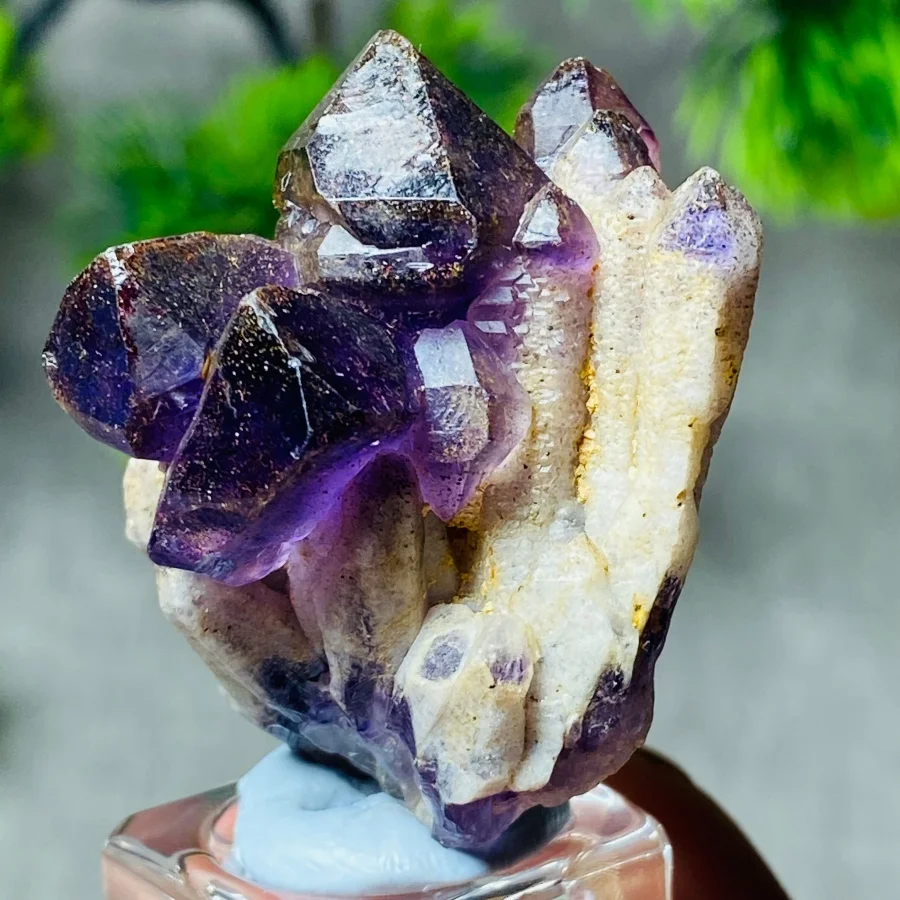
For those ready to add a unique piece to their collection, we offer the Mexico Natural Vera Cruz Amethyst Rough Crystal Quartz Specimen, known for its distinctive formation and energy. But regardless of where you shop, the key is to choose with awareness and appreciation for the natural beauty of amethyst.
Mexico Natural Vera Cruz Amethyst Rough Crystal Quartz Specimen Healing Energy Stone For Home Desk Decor Precious Gift
For a distinctive addition, consider our Mexico Natural Vera Cruz Amethyst Rough Crystal Quartz Specimen, prized for its unique formation and resonant energy.
Frequently asked questions
What is the best color for an amethyst crystal specimen?
The best color is a deep, rich purple with red or blue flashes, often called ‘Deep Siberian’ or ‘Royal Aztec’. Avoid pale or muddy tones.
How can I tell if an amethyst specimen is natural?
Look for natural imperfections, irregular shapes, and a glassy luster. Beware of overly uniform color or polished surfaces that might indicate dyeing or heat treatment.
Does amethyst need special care?
Amethyst is durable but can be scratched by harder materials. Clean with a soft cloth and mild soap, and avoid prolonged sunlight to prevent fading.
Where should I display my amethyst specimen?
Place it in a spot with indirect light, away from direct sun and heat. A shelf, desk, or windowsill with filtered light works well.
