
Blog
Choosing the Perfect Bathroom Vanity Cabinet
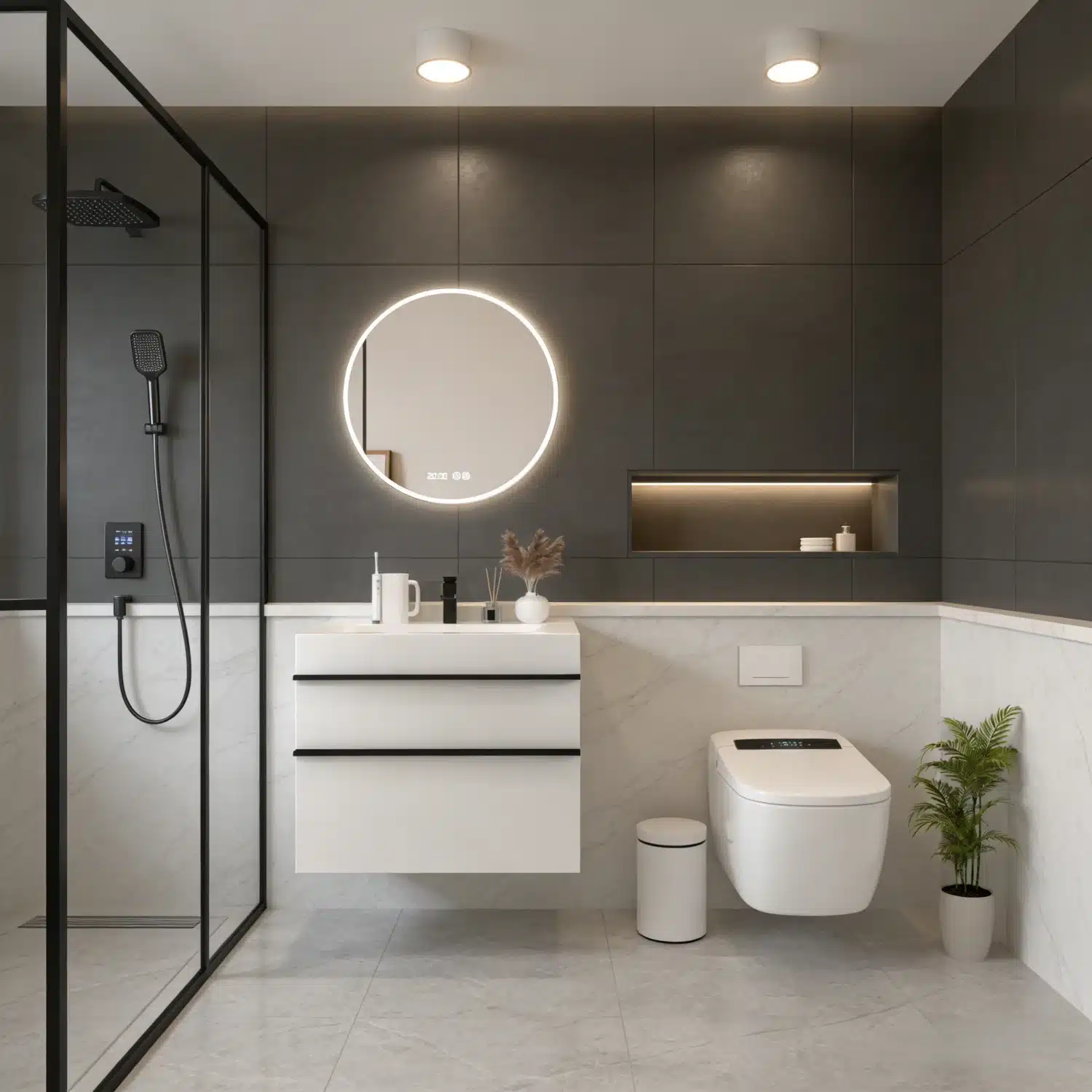
Buying Guide
Your Guide to the Perfect Bathroom Vanity Cabinet
A bathroom vanity cabinet is the centerpiece of any bathroom, blending storage and style seamlessly. Whether you’re remodeling or building new, choosing the right one can feel overwhelming.
Why the Right Bathroom Vanity Cabinet Matters
A well-chosen bathroom vanity cabinet does more than hold a sink. It sets the tone for the entire room, provides essential storage, and can even increase your home’s value. With so many options—from floating to freestanding, modern to traditional—finding the right fit requires careful thought.
Think about your daily routine. A cluttered countertop can cause stress, while a thoughtfully designed cabinet keeps everything within reach. The material also matters: solid wood offers longevity, while engineered options may resist moisture better in humid climates.
Key Factors to Consider When Shopping
Before you buy, measure your space. A bathroom vanity cabinet that’s too large can make the room feel cramped; too small and you’ll sacrifice function. Standard widths range from 24 to 60 inches, but custom sizes are available.
- Size and Layout: Account for door swings, clearance in front of the vanity, and the location of plumbing. Single or double sinks? Think about who uses the bathroom.
- Material and Finish: Solid wood like oak or maple is durable and can be refinished. Plywood with a veneer offers a similar look at a lower cost. Avoid particleboard near water.
- Storage Needs: Drawers, shelves, or a mix? Deep drawers for towels, shallow ones for toiletries. Open shelving can display decor but requires tidiness.
- Style and Aesthetics: Floating vanities create a modern, airy feel and make cleaning easier. Freestanding units offer more storage and a traditional look. Consider your home’s overall design.
For more on bathroom design principles, check out this Wikipedia article on bathrooms.
Material Matters: Solid Wood vs. Alternatives
Solid wood remains a top choice for bathroom vanity cabinets due to its strength and timeless appeal. Woods like teak, oak, and walnut naturally resist moisture when sealed properly. However, they can be heavier and more expensive.
Engineered woods, such as MDF or plywood with a veneer, offer affordability and stability. They are less prone to warping but may not withstand heavy use or refinishing. For a balance of beauty and durability, consider a solid wood frame with engineered panels.
Finish and Protection
A high-quality finish is crucial. Look for cabinets with multiple coats of lacquer or polyurethane, especially on surfaces near the sink. Water-resistant seals on edges and joints prevent swelling over time.
Installation Tips for a Flawless Look
Installing a bathroom vanity cabinet can be a DIY project if you’re handy, but professional help ensures proper plumbing and leveling. Here are key steps:
- Turn off water and disconnect plumbing. Remove the old vanity carefully.
- Prepare the wall: Ensure the floor is level and the wall is flat. Use shims if needed.
- Secure the cabinet: Anchor it to wall studs for stability, especially for floating units.
- Connect plumbing: Use flexible hoses for easier installation. Check for leaks.
- Caulk edges: Seal between the countertop and wall to prevent water damage.
Remember, a bathroom vanity cabinet should be functional first, but it can also be a design statement.
Style Ideas for Every Bathroom
Your bathroom vanity cabinet can define the room’s personality. Here are a few popular styles:
- Modern Minimalist: Clean lines, flat-panel doors, floating design. Often in white or gray with integrated sinks.
- Traditional Elegance: Raised-panel doors, ornate hardware, warm wood tones. Freestanding with legs.
- Rustic Charm: Reclaimed wood or distressed finishes. Vessel sinks and exposed plumbing add character.
- Industrial Edge: Dark metal frames with concrete or wood countertops. Open shelving and pipe fittings.
Choose a style that complements your existing fixtures and personal taste. A cohesive look creates a spa-like retreat.
Maintenance and Longevity
To keep your bathroom vanity cabinet looking new, wipe up spills immediately. Use a soft, damp cloth and mild soap; avoid abrasive cleaners. Periodically check for loose hinges or signs of moisture damage. For solid wood, apply a furniture polish every few months to maintain the finish.
With proper care, a quality cabinet can last decades. Investing in a well-made piece pays off in daily use and resale value.
USA Free Shipping Modern Solid Wood Floating Bathroom Cabinet White Wall Mounted 24 30 36 Inch Bathroom Vanity Cabinet with Sink
For a modern, space-saving option, our USA Free Shipping Modern Solid Wood Floating Bathroom Cabinet White Wall Mounted 24 30 36 Inch Bathroom Vanity Cabinet with Sink combines solid wood durability with a sleek floating design.
Frequently asked questions
What is the standard height for a bathroom vanity cabinet?
Standard height is 30 to 36 inches, though comfort height (34-36 inches) is popular for accessibility.
Should I choose a single or double sink vanity?
Single sinks work for small bathrooms or guest baths. Double sinks are ideal for master baths shared by two people.
How do I measure for a bathroom vanity cabinet?
Measure the width, depth, and height of the space. Account for plumbing, doors, and clearance. Allow at least 21 inches in front for comfortable use.
Is solid wood better than MDF for a bathroom vanity?
Solid wood is more durable and can be refinished, but it’s heavier and costlier. MDF resists moisture better if properly sealed, but may not last as long.