
Blog
The Best Dutch Oven for Every Home Cook
Buying Guide
Find Your Best Dutch Oven for Slow Cooking
The best dutch oven is a kitchen workhorse that can braise, bake, stew, and fry. Whether you’re a seasoned chef or a home cook, the right one makes all the difference.
Why the Best Dutch Oven Matters
A great dutch oven is worth its weight in gold. It distributes heat evenly, retains warmth for hours, and can go from stovetop to oven. The best dutch oven for you depends on your cooking style and kitchen needs.
Key Features to Look For
Material
Cast iron is classic for its heat retention. Enameled cast iron is easier to clean and doesn’t require seasoning. Stainless steel or aluminum options are lighter but may not sear as well.
Size
Common sizes range from 5 to 7 quarts for most families. A 5.5-quart pot fits a whole chicken or a large batch of soup. Smaller 2-quart pots are great for sides or small households.
Lid Fit
A tight-fitting lid traps moisture, essential for braising and stewing. Some lids have self-basting spikes that return condensation to the food.
How to Choose the Right Size
Think about what you’ll cook most often. For a family of four, a 6-quart dutch oven is versatile. For solo cooks or couples, a 3- to 4-quart pot may suffice. Remember that food should not fill more than two-thirds of the pot for even cooking.
Enameled vs. Non-Enameled
Enameled cast iron doesn’t require seasoning and resists staining. It’s ideal for acidic foods like tomato sauces. Non-enameled raw cast iron develops a natural non-stick patina over time but needs more care. For most home cooks, enameled is the best dutch oven choice for convenience.
Caring for Your Dutch Oven
Hand wash with mild soap and avoid metal utensils to protect the enamel. For stuck-on food, soak with warm water and baking soda. Store with the lid slightly ajar to prevent odors. Proper care ensures your pot lasts a lifetime.
Budget and Value
Quality dutch ovens range from $50 to over $300. Mid-range options often offer great performance without the high price tag. Look for thick walls, even heating, and a comfortable handle design. You don’t need to spend a fortune for a reliable best dutch oven.
Final Tips for Buying
Check the weight – a heavier pot usually means better heat retention. Consider the color if you want to serve directly from pot to table. Read reviews from real users to gauge durability. For more on cast iron cookware history, see this Wikipedia article.
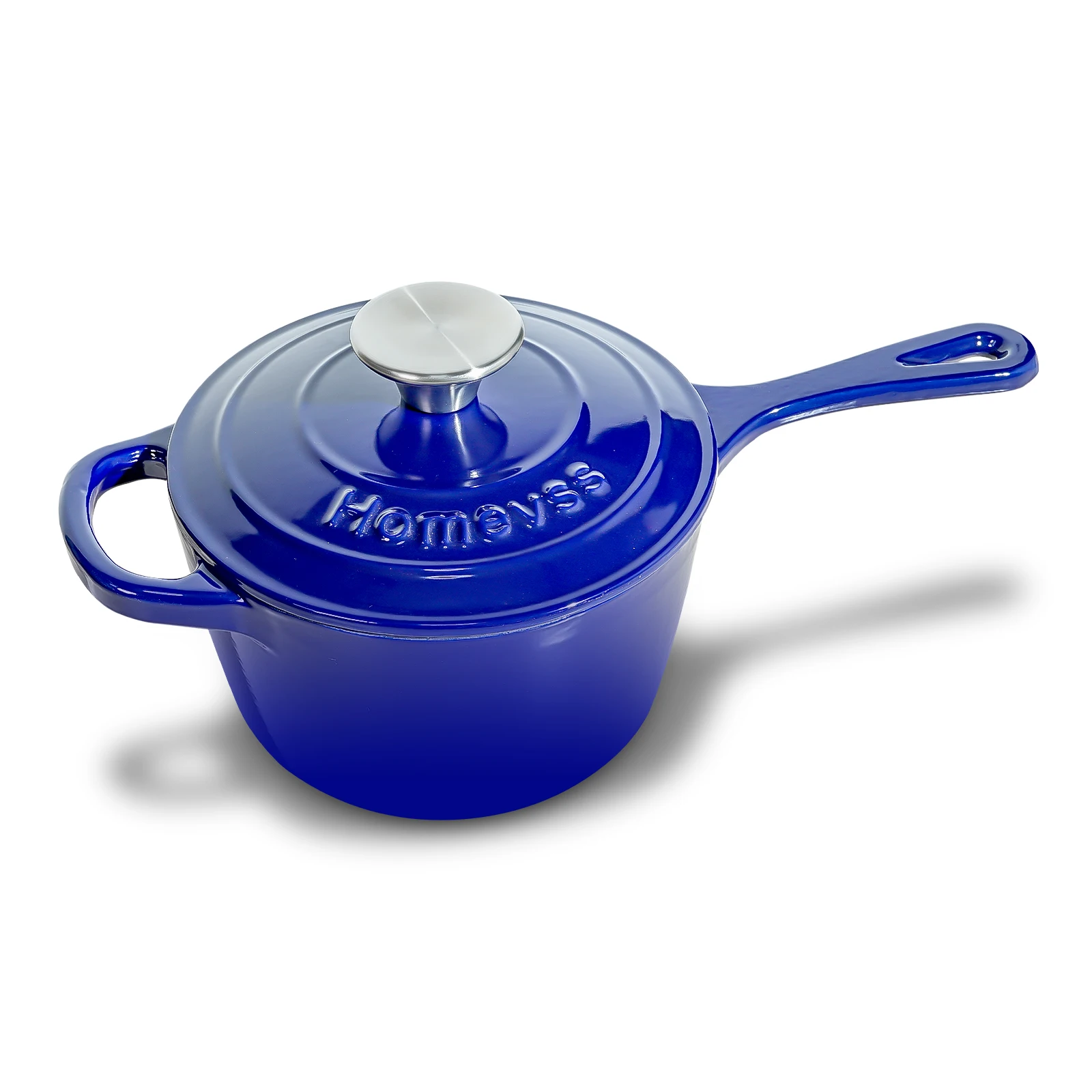
1.75QT Best-selling Household Cast Iron Enamel Pots Ceramic Non-stick Pans Multi-functional Stew Pots Flat-bottom Pans
For small-batch cooking, our 1.75QT Best-selling Household Cast Iron Enamel Pots Ceramic Non-stick Pans Multi-functional Stew Pots Flat-bottom Pans offer excellent heat control and easy cleanup.
Frequently asked questions
What size dutch oven should I buy?
For most households, a 5- to 7-quart dutch oven is versatile. Smaller 2- to 3-quart pots work for sides or couples.
Is enameled or raw cast iron better?
Enameled is easier to maintain and won’t react with acidic foods. Raw cast iron requires seasoning but can achieve a natural non-stick surface.
Can a dutch oven go in the oven?
Yes, most dutch ovens are oven-safe up to 450-500°F. Check the manufacturer’s guidelines for your specific pot.
How do I clean a stained enamel dutch oven?
Use a paste of baking soda and water, let it sit, then scrub gently. Avoid abrasive cleaners that can scratch the enamel.