
Blog
How to Choose the Perfect Paella Pan for Your Kitchen
Buying Guide
Find Your Ideal Paella Pan Today
A good paella pan is the heart of any Spanish feast. Whether you’re a seasoned cook or a curious beginner, choosing the right paella pan can elevate your dishes and make every meal memorable.
Why the Right Paella Pan Matters
Paella is more than just a dish—it’s an experience. The pan you use directly affects the texture of the rice, the socarrat (crispy bottom), and the evenness of cooking. A quality paella pan distributes heat evenly, preventing hot spots that can burn your ingredients. Traditional pans are wide and shallow, maximizing surface area for that signature crust.
Key Materials for Paella Pans
When shopping for a paella pan, you’ll encounter several materials. Each has its pros and cons:
- Carbon Steel: The classic choice. Lightweight, heats quickly, and develops a natural non-stick patina over time. Requires seasoning and careful drying to prevent rust.
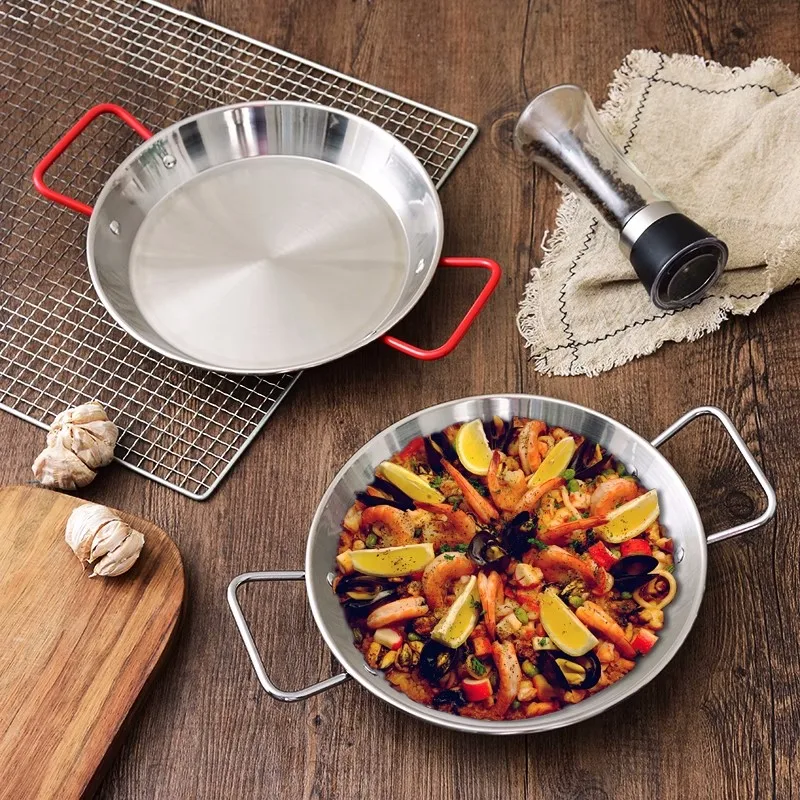
- Stainless Steel: Durable and dishwasher-safe. Doesn’t season but offers even heat distribution when layered with aluminum or copper. Our Spanish seafood rice Pot thickened stainless steel Cooking Paella Pan Lobster Snack Plates Saucepan Dry Pots Double Ears HotPot is an excellent stainless steel option for those who want low maintenance.
- Enameled: A cast iron core with a glass coating. Retains heat well but is heavy and can chip. Great for slow cooking, but not ideal for high-heat paella.
Size and Capacity: Finding the Right Fit
Paella pans come in diameters from 10 inches to over 20 inches. For 2-4 people, a 12-inch pan works well. For larger gatherings, consider 15 inches or more. Remember that paella is meant to be cooked in a thin layer, so the pan should be wide enough to spread the rice. A good rule: the pan diameter should be about twice the depth.
What About Depth?
Traditional paella pans are shallow (about 2-3 inches deep). This allows the rice to cook evenly and develop socarrat. Deeper pans (like a sauté pan) produce a different texture—more like a risotto. Stick with shallow for authentic results.
Handles and Construction
Look for pans with sturdy, riveted handles that stay cool on the stovetop. Double ear handles (as seen in our Spanish seafood rice Pot thickened stainless steel Cooking Paella Pan Lobster Snack Plates Saucepan Dry Pots Double Ears HotPot) provide balance when moving a heavy pan. Avoid plastic handles, as they can melt in the oven.
How to Season and Care for Your Paella Pan
Carbon steel and cast iron pans need seasoning to prevent rust and improve non-stick properties. Wash with hot water (no soap), dry immediately, and rub with a thin layer of oil. Stainless steel pans require less maintenance—just wash and dry.
Cleaning Tips
- Avoid metal utensils that can scratch the surface.
- For stubborn bits, soak in warm water and use a soft sponge.
- Never put carbon steel in the dishwasher.
Cooking Techniques for Perfect Paella
Start by sautéing aromatics in olive oil, then add rice and broth. Do not stir after adding rice—this is key for socarrat. Cook over medium-high heat until liquid is absorbed, then let it rest. A good paella pan helps achieve even browning.
Where to Buy and What to Look For
You can find paella pans at specialty cooking stores or online. Check reviews for warp resistance and heat distribution. Authentic Spanish brands like Paella are reliable, but many modern options work well. Our pick combines durability and versatility.
Spanish seafood rice Pot thickened stainless steel Cooking Paella Pan Lobster Snack Plates Saucepan Dry Pots Double Ears HotPot
For a reliable, low-maintenance option, consider our Spanish seafood rice Pot thickened stainless steel Cooking Paella Pan Lobster Snack Plates Saucepan Dry Pots Double Ears HotPot—it’s built to last and easy to care for.
Frequently asked questions
What is the best material for a paella pan?
Carbon steel is traditional and lightweight, but requires seasoning. Stainless steel is low-maintenance and durable. Choose based on your cooking habits.
Can I use a paella pan on an induction cooktop?
Yes, but check the base. Many stainless steel pans are induction-compatible, while carbon steel may need a diffuser.
How do I clean a carbon steel paella pan?
Rinse with hot water, scrub gently, dry immediately, and apply a thin layer of oil. Avoid soap.
What size paella pan do I need for a family?
For 4 people, a 12-inch pan is ideal. For 6-8, go with 15-18 inches.