
Blog
Best Kitchen Knife Set: A Thoughtful Guide for Home Cooks
Buying Guide
Finding the Best Kitchen Knife Set for Your Cooking Style
Choosing the best kitchen knife set can transform your time in the kitchen, but with so many options, it’s easy to feel overwhelmed. Let’s cut through the noise together.
Why a Quality Knife Set Matters
A good knife set is the backbone of efficient cooking. Dull, unbalanced knives make prep work frustrating and can even be dangerous. Investing in a well-made set means cleaner cuts, less effort, and better results. Whether you’re slicing onions or filleting fish, the right knife feels like an extension of your hand.
Key Blade Materials: Stainless vs. High-Carbon vs. Damascus
Blade material determines sharpness, durability, and maintenance. Stainless steel resists rust but may not hold an edge as long. High-carbon steel sharpens beautifully but requires care. Damascus steel layers hard and soft steels for a sharp, durable edge with a stunning pattern. For most home cooks, a quality stainless or Damascus set offers the best balance.
What About Ceramic?
Ceramic knives are lightweight and stay sharp, but they’re brittle and hard to sharpen. They’re best as specialty knives, not a full set.
Essential Knife Types in a Set
A versatile set typically includes: an 8-inch chef’s knife (the workhorse), a paring knife (for detail work), a serrated bread knife, and a utility knife. Some sets add a santoku (a Japanese all-purpose knife), a cleaver, or a slicing knife. Think about what you cook most—a sushi lover might want a sashimi knife, while a home butcher benefits from a cleaver.
Handle Design and Ergonomics
Comfort is crucial. Look for handles that fit your grip—whether you prefer a Western-style bolster or a Japanese wa-handle. Materials like pakkawood, micarta, or textured synthetic provide secure grip, even when wet. A well-balanced knife reduces fatigue during long prep sessions.
Sharpening and Maintenance
Even the best knife set needs care. Learn to use a honing rod weekly and sharpen every few months. Many sets include a sharpening steel. For Damascus blades, gentle hand washing and immediate drying prevent staining. Avoid dishwashers—they dull edges and damage handles.
Budget and Value: What to Spend
A decent entry-level set costs $50–$100, but for lasting quality, expect $150–$300. Premium sets climb higher, but you’re paying for better steel, craftsmanship, and often a longer warranty. Consider how often you cook: daily cooks benefit from a higher investment. A set that includes a block or roll for storage adds convenience.
Our Recommendation
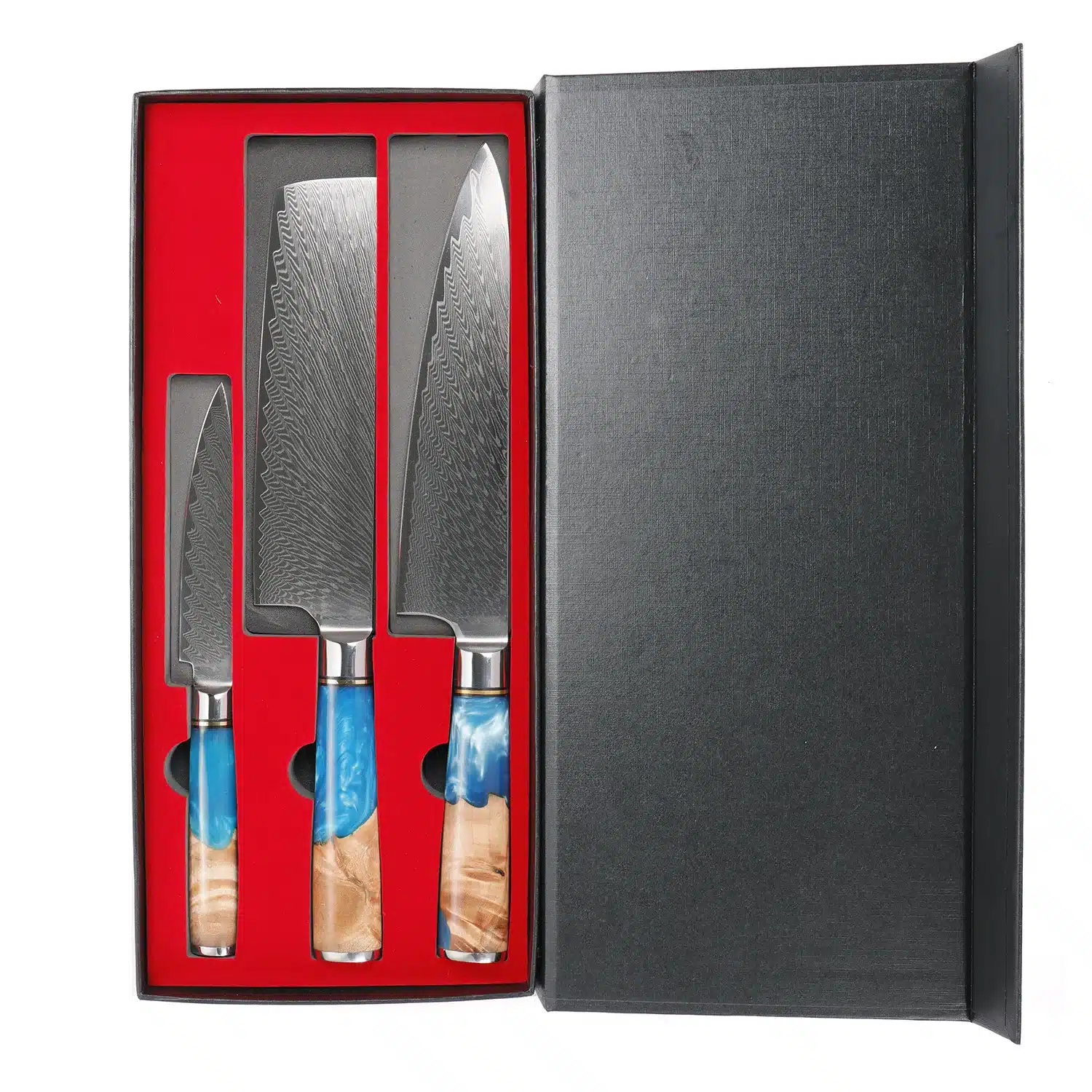
After testing many options, one set that consistently impresses is the IOKO 67 Layers Damascus Chef Kitchen Knife Set Butcher Utility Santuku Sushi Sashimi Cleaver Japanese Style Damascus Knife Set. Its layered steel offers exceptional sharpness and edge retention, the handles are comfortable, and the range of knives covers everything from chopping to filleting. It’s a thoughtful choice for cooks who want both performance and beauty.
IOKO 67 Layers Damascus Chef Kitchen Knife Set Butcher Utility Santuku Sushi Sashimi Cleaver Japanese Style Damascus Knife Set
For a reliable, beautifully crafted set that covers all bases, consider the IOKO 67 Layers Damascus Chef Kitchen Knife Set—it’s a subtle upgrade your knives drawer will thank you for.
Frequently asked questions
What is the best knife set for a beginner cook?
A beginner should look for a set with an 8-inch chef’s knife, a paring knife, and a serrated bread knife. Stainless steel is low-maintenance. Avoid sets with too many specialty knives you won’t use.
How often should I sharpen my kitchen knives?
Hone with a steel before each use to realign the edge. Sharpen with a whetstone or professional service every 2–3 months for regular home use. Damascus blades may need less frequent sharpening.
Are Damascus steel knives worth the extra cost?
Yes, if you value sharpness, edge retention, and aesthetics. Damascus blades combine hard and soft steel for a durable, corrosion-resistant edge with a unique pattern. They require gentle care but perform beautifully.
What knife set do professional chefs recommend?
Many chefs prefer sets that include a chef’s knife, santoku, paring, and bread knife. They often choose high-carbon stainless or Damascus steel. Comfort and balance are top priorities. Some recommend buying individual knives over sets for customization.
