
Blog
The Ultimate Guide to the Best Chef Knives for Your Kitchen
Knife Guide
Find Your Best Chef Knives Today
Choosing the best chef knives can transform your cooking experience, making prep work faster, safer, and more enjoyable. Whether you’re a home cook or a professional, the right knife is essential.
Why the Best Chef Knives Matter
A quality chef knife is the workhorse of any kitchen. It handles everything from dicing onions to slicing roasts with ease. The best chef knives offer a perfect balance of weight, sharpness, and ergonomics, reducing fatigue and improving precision. Investing in a good knife elevates your cooking and makes meal prep a pleasure.
Types of Chef Knives You Should Know
Understanding different knife types helps you choose the best chef knives for your needs. The classic 8-inch chef’s knife is versatile for most tasks. Santoku knives, with a shorter blade and Granton edge, excel at slicing and dicing. For heavy chopping, a cleaver is ideal, while a nakiri is perfect for vegetables. Each type has unique strengths, so consider your cooking style.
Classic Chef’s Knife
This all-rounder typically has a curved blade that allows a rocking motion for chopping. Look for one with a comfortable handle and a blade that holds an edge well.
Santoku Knife
Originating from Japan, the Santoku features a flat edge and a sheepsfoot blade tip, making it excellent for precision slicing and mincing.
Key Factors in Choosing the Best Chef Knives
When evaluating the best chef knives, consider blade material, handle comfort, and construction. High-carbon stainless steel offers a good balance of sharpness and stain resistance. Full-tang knives (where the blade extends through the handle) provide better balance and durability. Weight and grip are personal preferences; try holding a knife before buying.
- Blade Material: Stainless steel is rust-resistant; carbon steel holds a sharper edge but requires more care.
- Handle: Wood, plastic, or metal? Choose one that feels secure and non-slip.
- Edge Retention: Harder steels stay sharp longer but are harder to sharpen.
How to Maintain Your Chef Knives
Proper care extends the life of your best chef knives. Always hand wash with mild soap and dry immediately—dishwashers can damage blades and handles. Use a honing rod regularly to realign the edge, and sharpen with a whetstone or professional service when dull. Store knives in a block, magnetic strip, or sheath to protect the edge and your fingers.
Top Features to Look For
For the best chef knives, look for a blade hardness around 58-60 HRC for a good balance of sharpness and toughness. A bolster (the thick band between blade and handle) adds safety and balance. The knife’s weight should feel substantial but not heavy. A comfortable, ergonomic handle reduces strain during long prep sessions.
Common Mistakes to Avoid
Avoid buying a full set if you only need a few knives. The best chef knives are often sold individually so you can curate your collection. Don’t neglect sharpening—a dull knife is more dangerous than a sharp one. Also, avoid using a chef knife on bones or frozen foods; use a cleaver or serrated knife for those tasks.
For more on knife steel types, check out this Wikipedia article on kitchen knives.
Final Thoughts on Selecting the Best Chef Knives
Your choice of the best chef knives depends on your cooking habits and budget. Prioritize quality over quantity: a single excellent chef’s knife can replace many mediocre ones. Remember that sharpening tools and proper storage are just as important as the knife itself. Happy cooking!
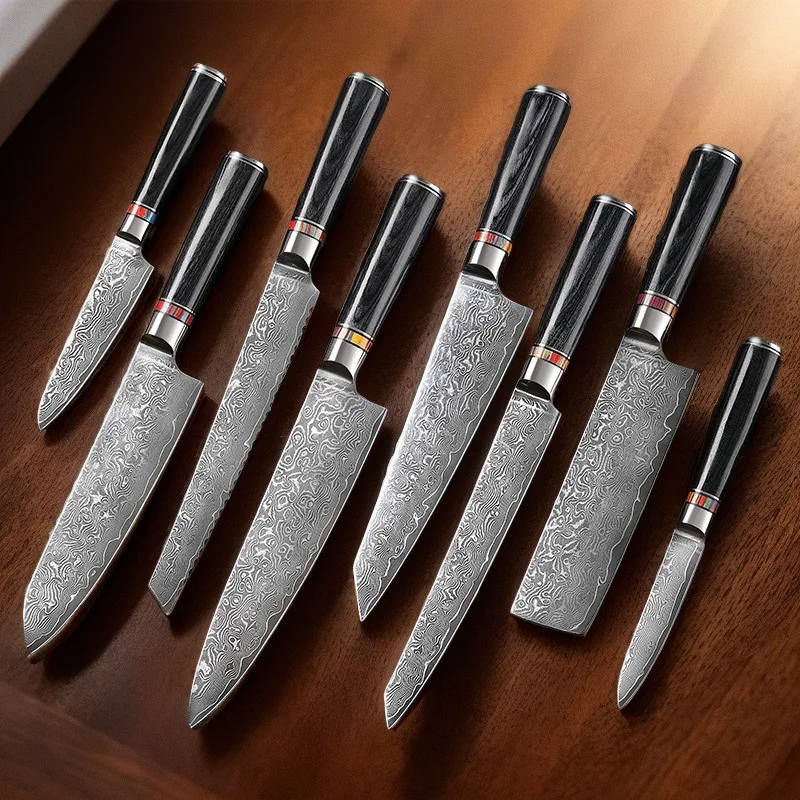
Art Forged Damascus Steel Kitchen Knife Set 1-8 pcs Professional Hotel Chef’s Slicing and Carving Knife Premium Kitchen Cutlery
For a reliable set that combines artistry with performance, consider the Art Forged Damascus Steel Kitchen Knife Set, which offers professional-grade sharpness and a beautiful finish.
Frequently asked questions
What is the best chef knife for beginners?
A classic 8-inch chef’s knife with a stainless steel blade and comfortable handle is ideal for beginners. It’s versatile and easy to maintain.
How often should I sharpen my chef knife?
It depends on usage. For regular home cooks, honing weekly and sharpening every 2-3 months is recommended. Professionals may need more frequent sharpening.
Are expensive chef knives worth it?
Higher-priced knives often offer better materials and craftsmanship, but there are excellent mid-range options. Look for full-tang construction and high-carbon stainless steel.
Can I put my chef knife in the dishwasher?
No, dishwasher detergents and high heat can damage the blade and handle. Always hand wash and dry immediately.
