
Blog
The Best Outdoor Knife: A Buyer’s Guide for Adventurers
Knife Guide
Find the Best Outdoor Knife for Your Adventures
The best outdoor knife can make or break your camping, hiking, or survival experience. We’ve put together this guide to help you choose the right blade for your needs.
What Makes the Best Outdoor Knife?
When you’re out in the wild, your knife is your most versatile tool. The best outdoor knife should be durable, sharp, and comfortable to hold. It needs to handle tasks like cutting rope, preparing food, carving wood, and even emergency situations. Whether you’re a weekend camper or a seasoned survivalist, understanding key features will help you pick the perfect blade.
Fixed Blade vs. Folding Knife
One of the first decisions is between a fixed blade and a folding knife. Fixed blades are stronger and more reliable for heavy-duty tasks because there’s no hinge to break. They’re easier to clean and typically have a full tang, meaning the metal extends through the handle. Folding knives are more compact and easier to carry, but they may not withstand extreme stress. For most outdoor enthusiasts, a fixed blade is the safer choice for the best outdoor knife.
When to Choose a Fixed Blade
- Batonning wood for fire
- Field dressing game
- Heavy carving or chopping
When to Choose a Folding Knife
- Everyday carry (EDC)
- Light tasks like opening packages
- When weight and space are limited
Steel Types: What’s Best for an Outdoor Knife?
The steel determines edge retention, toughness, and corrosion resistance. High-carbon steels like D2 hold a sharp edge well but can rust if not maintained. Stainless steels like 440C are more rust-resistant but may not stay sharp as long. For the best outdoor knife, look for a balance: D2 steel offers excellent edge retention and enough toughness for camping tasks. It’s a favorite among outdoorsmen.
Learn more about knife steel properties on Wikipedia.
Handle and Ergonomics
A good handle makes the knife feel like an extension of your hand. Look for materials like G10, micarta, or textured rubber that provide grip even when wet. The shape should fill your palm comfortably and have a guard to prevent slipping onto the blade. For extended use, a contoured handle reduces fatigue. When testing the best outdoor knife, see how it feels in different grip positions.
Blade Shape and Length
Blade shape affects what the knife can do. A drop point is versatile, with a strong tip for piercing and a curved belly for slicing. A clip point offers finer control for detail work. For general outdoor use, a blade between 3.5 and 5 inches is ideal—long enough for cutting but short enough for precision. Too long, and the knife becomes unwieldy; too short, and it can’t handle larger tasks.
Sheath and Carry Options
Your knife is useless if you can’t access it quickly. A quality sheath should be secure, allow easy draw, and be comfortable to wear. Kydex sheaths are durable and provide excellent retention, while leather sheaths are classic but may stretch over time. Look for a sheath with a belt loop or MOLLE compatibility for hiking. Always practice safe handling when drawing or re-sheathing.
Maintenance and Care
To keep your best outdoor knife performing, clean it after each use, dry it thoroughly, and apply a light coat of oil to the blade. Sharpen regularly with a stone or sharpening system. Store in a dry place. Proper care extends the life of your knife and ensures it’s ready when you need it.
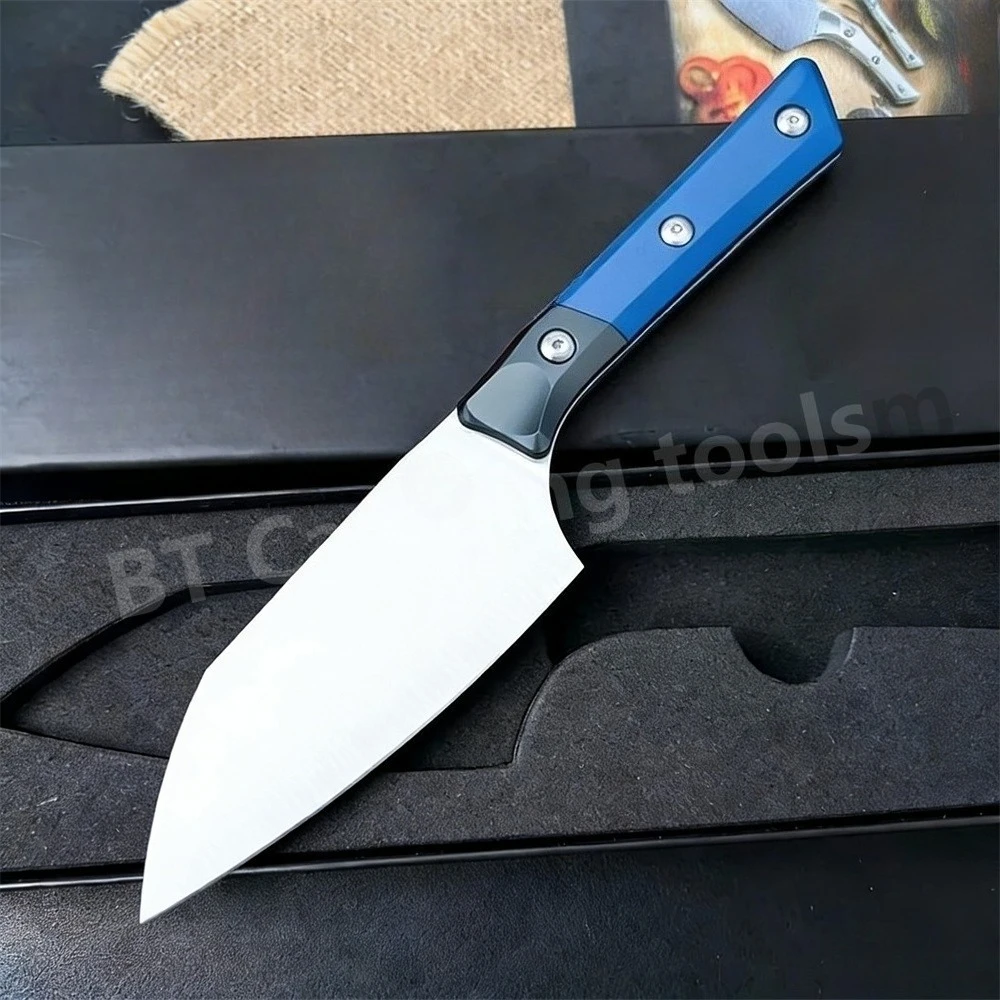
Fixed Blade Knife Outdoor Chef Knife D2 Steel Blade Camping Hiking Survival Tool for Adventurers EDC Utility Holiday Gifts
For those seeking a reliable fixed blade, our D2 steel Outdoor Chef Knife is designed for camping, hiking, and survival tasks—a versatile tool that fits your adventures.
Frequently asked questions
What is the best steel for an outdoor knife?
D2 steel is a popular choice for outdoor knives due to its excellent edge retention, hardness, and decent toughness. It holds an edge longer than many stainless steels, though it requires some care to prevent rust. For most camping and survival tasks, D2 offers a great balance.
How long should an outdoor knife blade be?
A blade length of 3.5 to 5 inches is ideal for general outdoor use. This range provides enough length for cutting and chopping while still allowing for precise tasks. Longer blades can be cumbersome, while shorter ones may lack versatility.
What is the difference between a fixed blade and a folding knife?
Fixed blade knives are stronger and more reliable because they have no moving parts. They are better for heavy-duty tasks like batoning wood. Folding knives are more portable and convenient for everyday carry, but they may be less durable under extreme stress.
How do I maintain my outdoor knife?
Clean the blade after each use with soap and water, dry it completely, and apply a thin coat of mineral oil to prevent rust. Sharpen regularly using a whetstone or guided sharpener. Store in a dry environment, ideally in a sheath or case.
