
Blog
The Best Pots and Pans for Every Home Cook
Buying Guide
Find the Best Pots and Pans for Your Kitchen
Choosing the best pots and pans can transform your cooking experience. Whether you’re a beginner or a seasoned chef, the right cookware makes all the difference.
Understanding Cookware Materials
The material of your pots and pans affects heat conduction, durability, and food release. Stainless steel offers excellent durability and even heating, but requires some oil to prevent sticking. Cast iron retains heat beautifully for searing and baking, but is heavy and needs seasoning. Non-stick coatings are great for low-fat cooking and easy cleanup, but require gentle care to avoid scratching. For most home cooks, a combination of materials works best.
What to Look for in the Best Pots and Pans
When shopping for the best pots and pans, consider these features:
- Heat distribution: Look for tri-ply or fully clad construction for even cooking.
- Handle comfort: Ergonomic, stay-cool handles reduce fatigue.
- Compatibility: Ensure the cookware works with your stovetop (gas, electric, induction).
- Lid fit: Tight-fitting lids lock in moisture and flavor.
- Weight: Heavier pans feel more solid but may be harder to handle.
Non-Stick Cookware: Pros and Cons
Non-stick pans are ideal for eggs, pancakes, and delicate fish. They require less oil and clean up in seconds. However, they cannot withstand high heat (usually above 500°F) and their coating can degrade over time. Learn more about non-stick surfaces on Wikipedia. For lasting performance, choose pans with a thick base and a PFOA-free coating.
Stainless Steel: The Workhorse
Stainless steel pots and pans are prized for their durability and versatility. They can go from stovetop to oven, and they don’t react with acidic foods like tomatoes. The downside? Food can stick if the pan isn’t preheated properly. A good stainless steel set often includes a sauté pan, stockpot, and saucepans. Many chefs consider stainless steel essential for the best pots and pans collection.
Cast Iron: Timeless and Reliable
Cast iron skillets and Dutch ovens are beloved for their heat retention and even cooking. They can be used on any stovetop, over a campfire, and even in the oven. A well-seasoned cast iron pan becomes naturally non-stick over time. The main drawback is weight—lifting a full Dutch oven can be a workout. But for dishes that need a good sear or slow braise, nothing beats cast iron.
How Many Pots and Pans Do You Really Need?
A starter set of the best pots and pans typically includes: an 8-inch frying pan, a 10-inch frying pan, a 2-quart saucepan, a 4-quart saucepan, and a 6-quart stockpot. This covers most cooking tasks from boiling pasta to searing meat. If you cook frequently, consider adding a sauté pan with straight sides and a lid, and a griddle for pancakes and sandwiches.
Caring for Your Cookware to Make It Last
Proper care extends the life of your pots and pans. For non-stick, use wooden or silicone utensils and avoid cooking sprays that can build up. Stainless steel can be cleaned with a dedicated cleaner or vinegar to remove discoloration. Cast iron should be dried thoroughly and lightly oiled after each use. Always let pans cool before washing to prevent warping. With the best pots and pans, a little maintenance goes a long way.
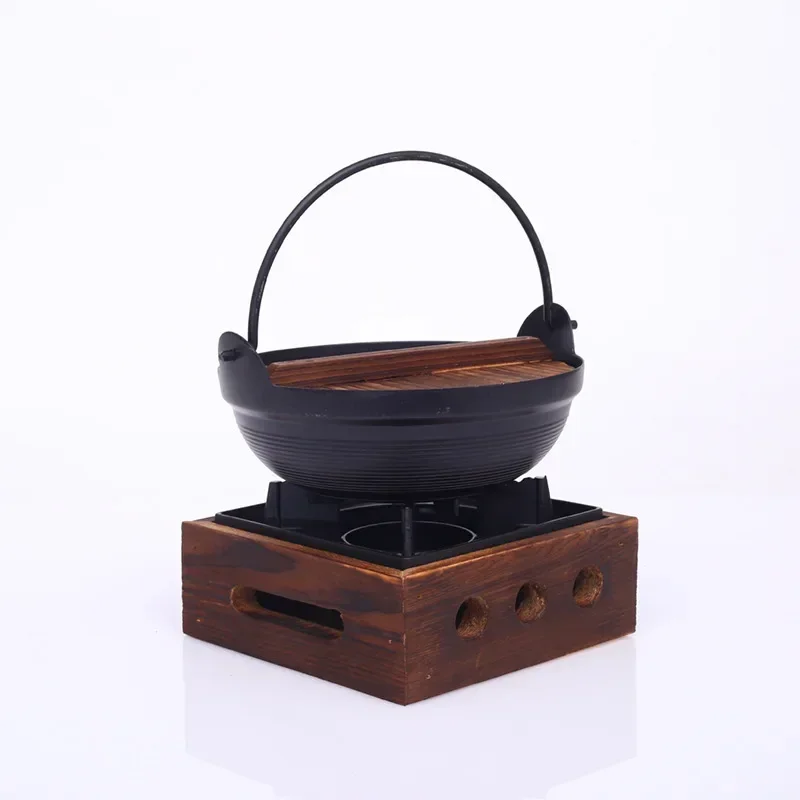
Pots for Kitchen Utensil Non Stick Pots for Cooking Set Cookware Accessories Sets Pan Pot Non-stick Kit Utensils Nonstick Dining
For a reliable non-stick option, consider the Pots for Kitchen Utensil Non Stick Pots for Cooking Set, which combines convenience with everyday performance.
Frequently asked questions
What is the best material for pots and pans?
The best material depends on your cooking style. Non-stick is great for low-fat cooking, stainless steel offers durability and oven safety, and cast iron excels at heat retention. Many cooks prefer a mix of all three.
How often should I replace my pots and pans?
Quality pots and pans can last 5-10 years or more with proper care. Non-stick pans may need replacement every 2-3 years if the coating wears. Stainless steel and cast iron can last a lifetime.
Can I use metal utensils on non-stick pans?
No, metal utensils can scratch and damage the non-stick coating. Use wooden, silicone, or plastic utensils to preserve the surface.
Are expensive pots and pans worth it?
Higher-priced cookware often uses better materials and construction, leading to more even heating and longer life. However, mid-range options can offer excellent value for most home cooks.
