
Blog
The Best Shower Curtains of 2025: 6 Top Picks for Style, Durability, and Value
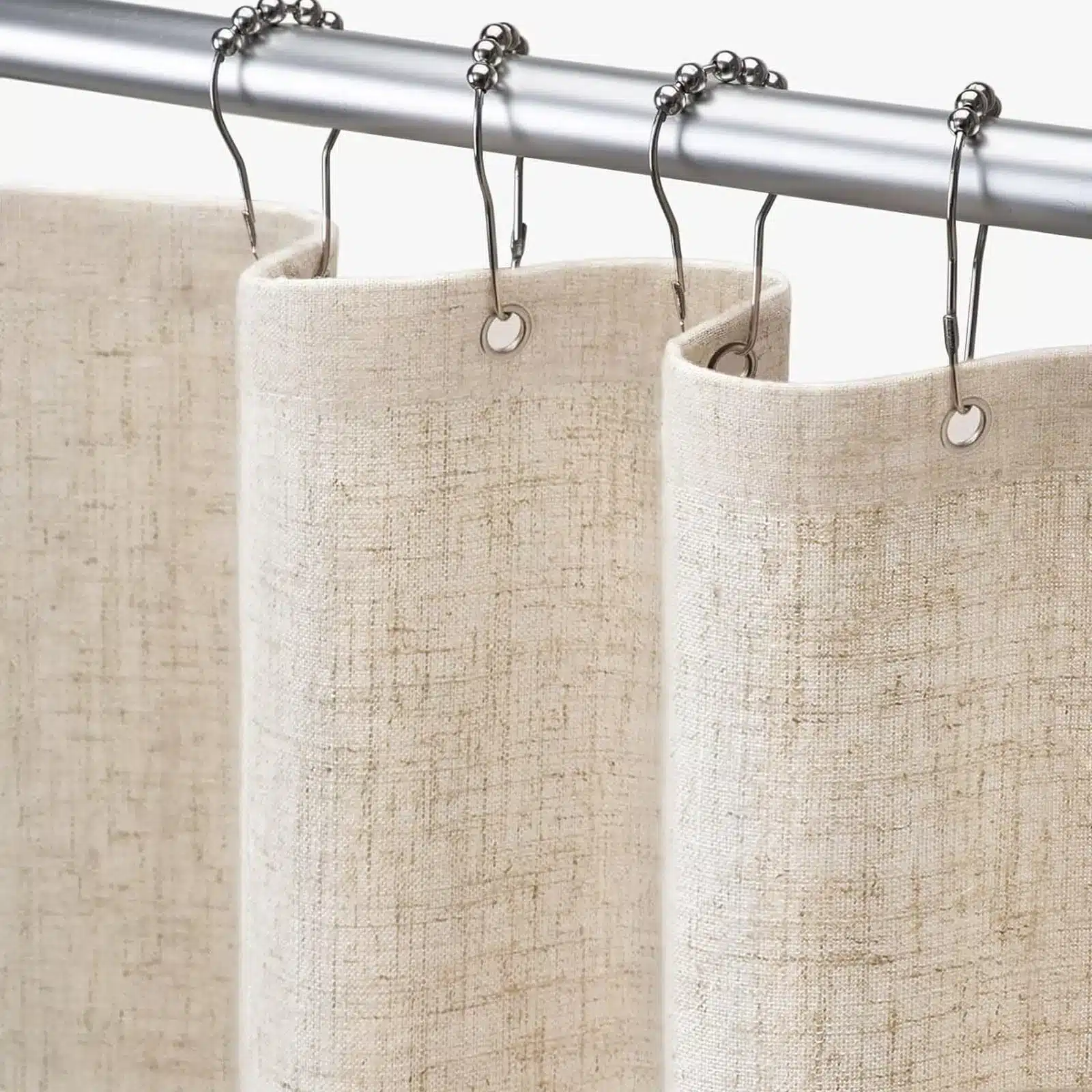
A shower curtain does more than keep water off your floor—it sets the tone for your entire bathroom. Whether you’re drawn to breezy boho linens, crisp modern grids, or heavy-duty waffle weaves, the right curtain can transform a daily routine into a spa-like escape. At Goldoma, we’ve tested and curated six standout options that balance design, durability, and practicality. From rust-proof hooks to 3D-printed patterns, these picks prove that you don’t have to sacrifice style for function. Let’s find your perfect match.
How to Choose the Best Shower Curtain for Your Bathroom
Start with your daily habits. If you share a bathroom with family members, look for quick-drying materials like PEVA or polyester blends that resist mildew. For a guest bath or a serene master suite, natural fabrics like linen or cotton add warmth and texture—just be sure to pair them with a liner to prevent water damage. Consider your maintenance tolerance: fabric curtains are machine washable but need occasional ironing, while PEVA wipes clean with a damp cloth. Finally, think about the overall vibe. A modern grid pattern feels crisp and hotel-like, while tassels and stripes bring farmhouse charm. Your curtain should complement your tile, fixtures, and lighting—not fight them.
Sizes and Fit: Getting the Measurements Right
The standard shower curtain size is 72 inches wide by 72 inches tall, which fits most bathtubs and standard shower stalls. However, if you have a larger walk-in shower or a clawfoot tub, you may need a 72×78 or 72×84 option. Measure your rod length and the distance from the rod to the floor (or top of the tub). For a luxurious look, let the curtain graze the floor or tub rim; for a cleaner feel, hem it a few inches above. Also check the number of hook holes—most curtains have 12, but some have 8 or 16. More holes mean better drape and less gaping. If you use a liner, make sure it’s slightly shorter than the outer curtain to avoid peeking. And don’t forget: a curved shower rod can add up to 30% more elbow room, but it requires a wider curtain (usually 72×72 works, but measure first).
Materials Matter: Fabric vs. PEVA vs. Specialty Weaves
Fabric curtains—cotton, linen, or blends—offer a soft, upscale look and breathe well, but they need a liner and regular washing to prevent mildew. Linen is naturally moisture-wicking and gets softer over time; cotton is absorbent and easy to bleach if needed. PEVA (polyethylene vinyl acetate) is a chlorine-free, odorless plastic that’s water-repellent, mold-resistant, and budget-friendly. It’s ideal for humid bathrooms and busy households. Waffle-weave fabrics are a hybrid: they’re usually polyester or cotton blends with a textured surface that adds visual depth and helps hide water spots. Heavy-duty options often include magnets at the hem to keep the curtain in place, and rust-proof metal hooks for longevity. Whichever you choose, check for a weighted hem or magnets—they prevent the curtain from billowing and sticking to you.
Style Guide: From Boho Farmhouse to Modern Minimalist
Your shower curtain is a design statement. Boho farmhouse lovers gravitate toward natural tones, tassels, and subtle stripes—think beige linen with a relaxed drape. Modern minimalist bathrooms shine with geometric grids, 3D textures, or solid sage green. If you want a pop of pattern without committing to bold colors, a 3D-printed grid in navy or sage adds depth while staying neutral. For a cohesive look, match your curtain to your bath mat, towels, or wall art. But don’t be afraid to mix: a rustic waffle curtain can soften a sleek glass shower, while a crisp PEVA liner can hide behind a decorative outer curtain. Remember, the curtain is often the largest fabric element in the bathroom, so it sets the color palette. Choose a hue that makes you feel calm—soft greens, warm creams, and deep blues are universally flattering.
Care and Maintenance: Keep It Fresh for Years
To extend the life of your shower curtain, always fully extend it after each shower to dry. Run the exhaust fan for 15–20 minutes to reduce humidity. Fabric curtains should be machine washed every 1–2 months on a gentle cycle with mild detergent; avoid bleach unless the label says otherwise. PEVA curtains can be wiped down with a diluted vinegar solution or a non-abrasive cleaner. For hard water stains, a paste of baking soda and water works wonders on both fabric and plastic. Replace your liner every 6–12 months, or sooner if you see pink or black spots. Metal hooks should be checked for rust—swap them for rust-proof options if needed. With proper care, a quality shower curtain can last for years, saving you money and keeping your bathroom looking pristine.
Our Top Picks
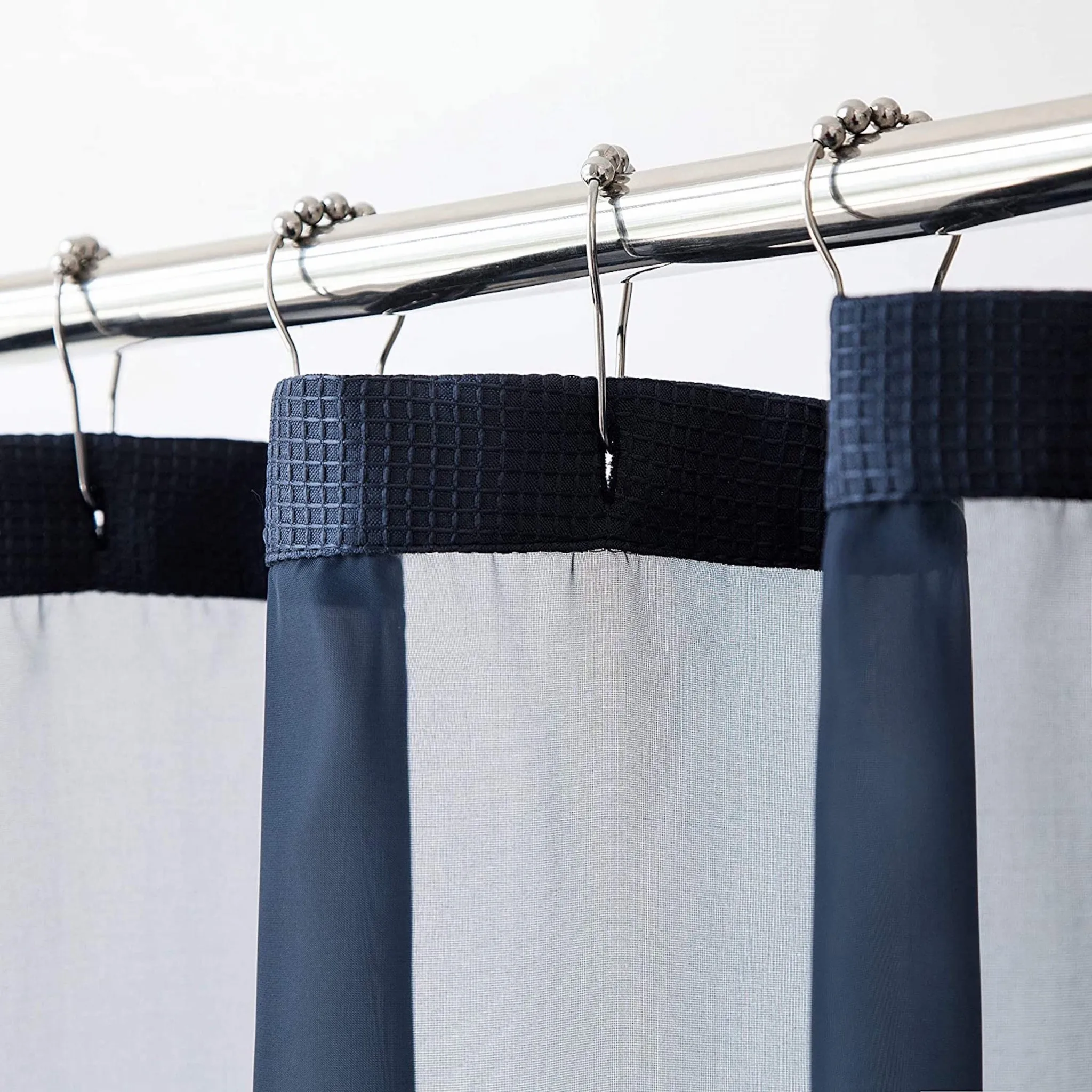
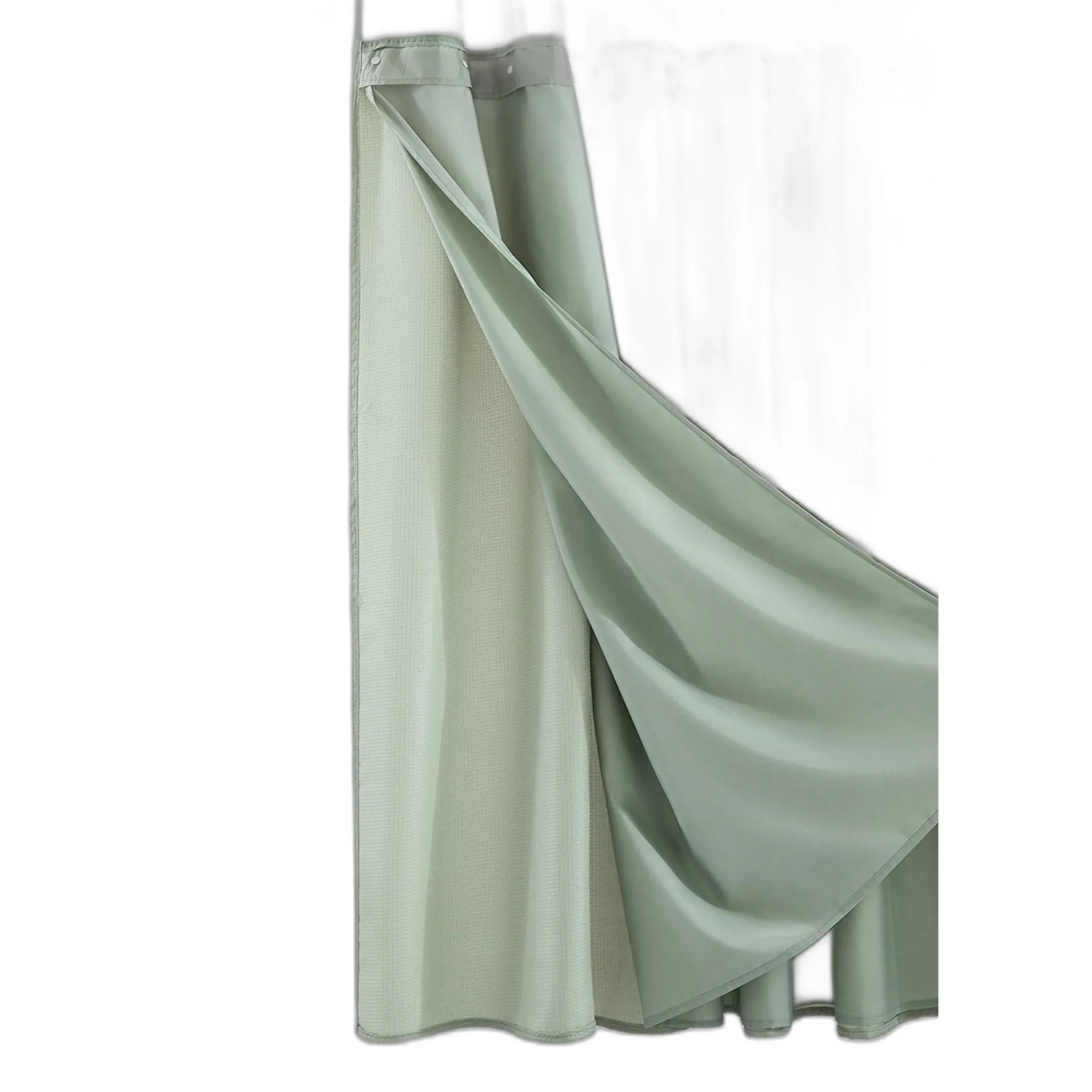
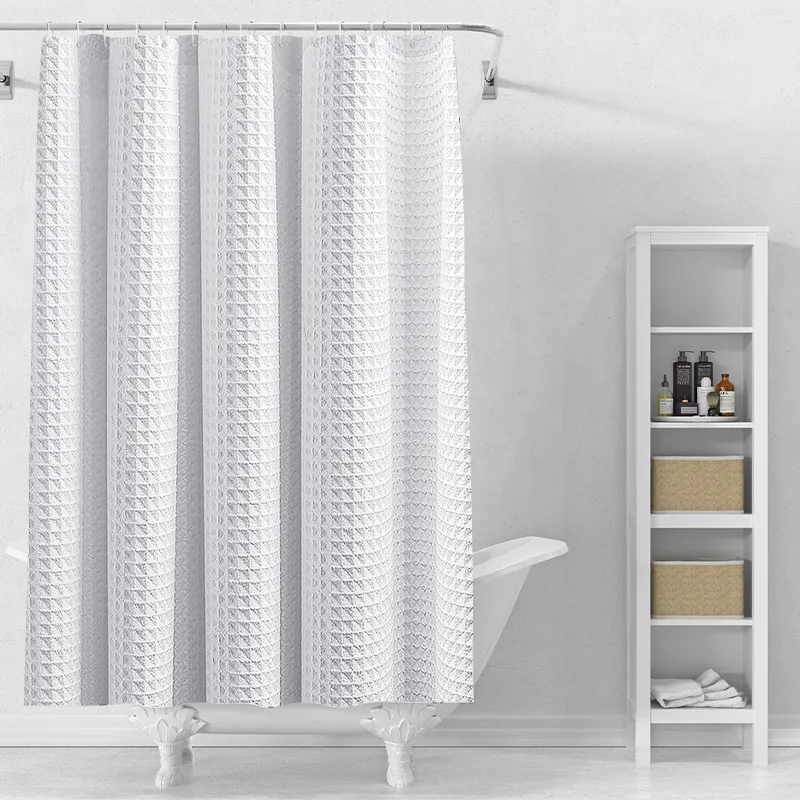
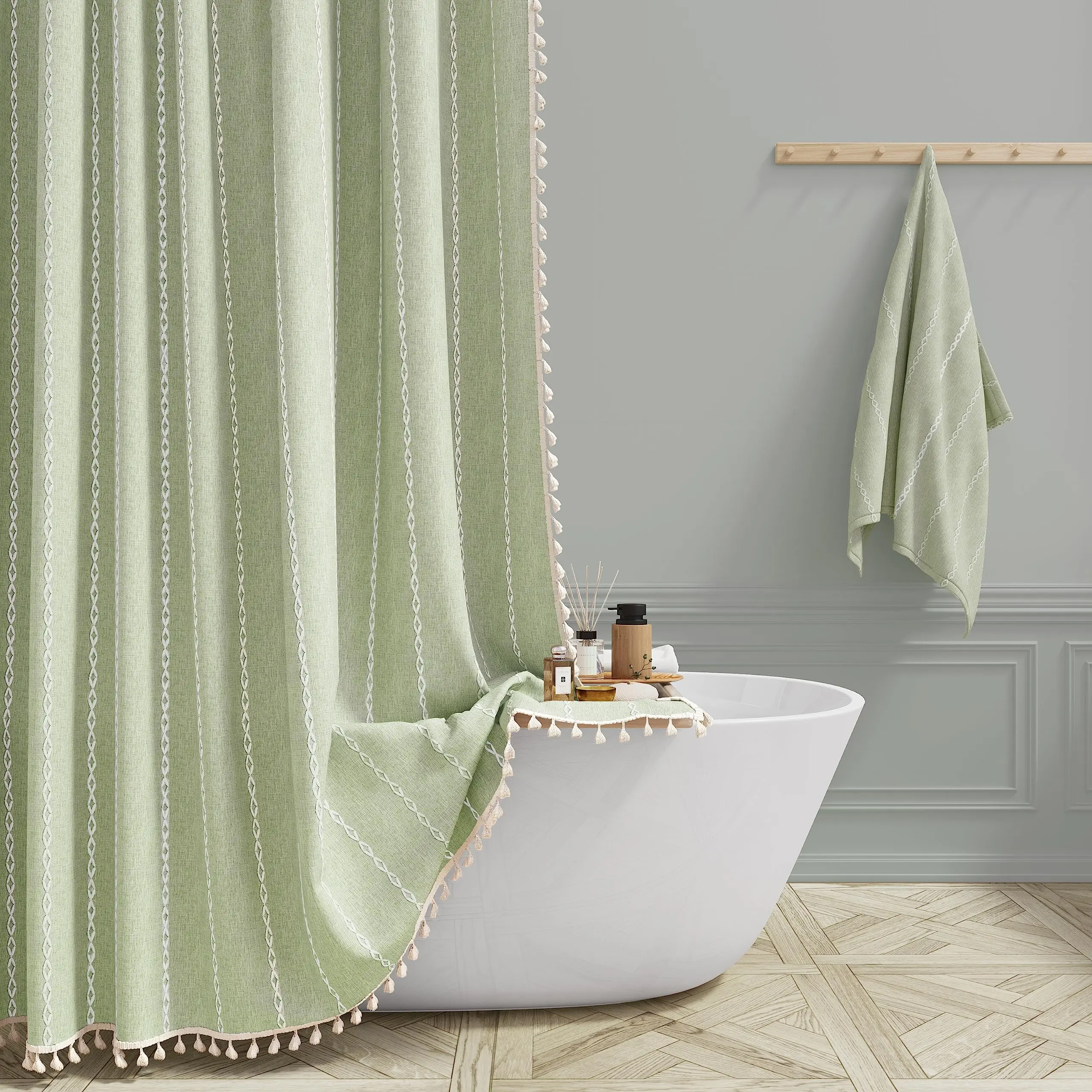
Ready to upgrade your bathroom? Shop these best shower curtains and more at Goldoma.com—where style meets function.
