
Blog
The Best Shower Curtains to Elevate Your Bathroom in 2025
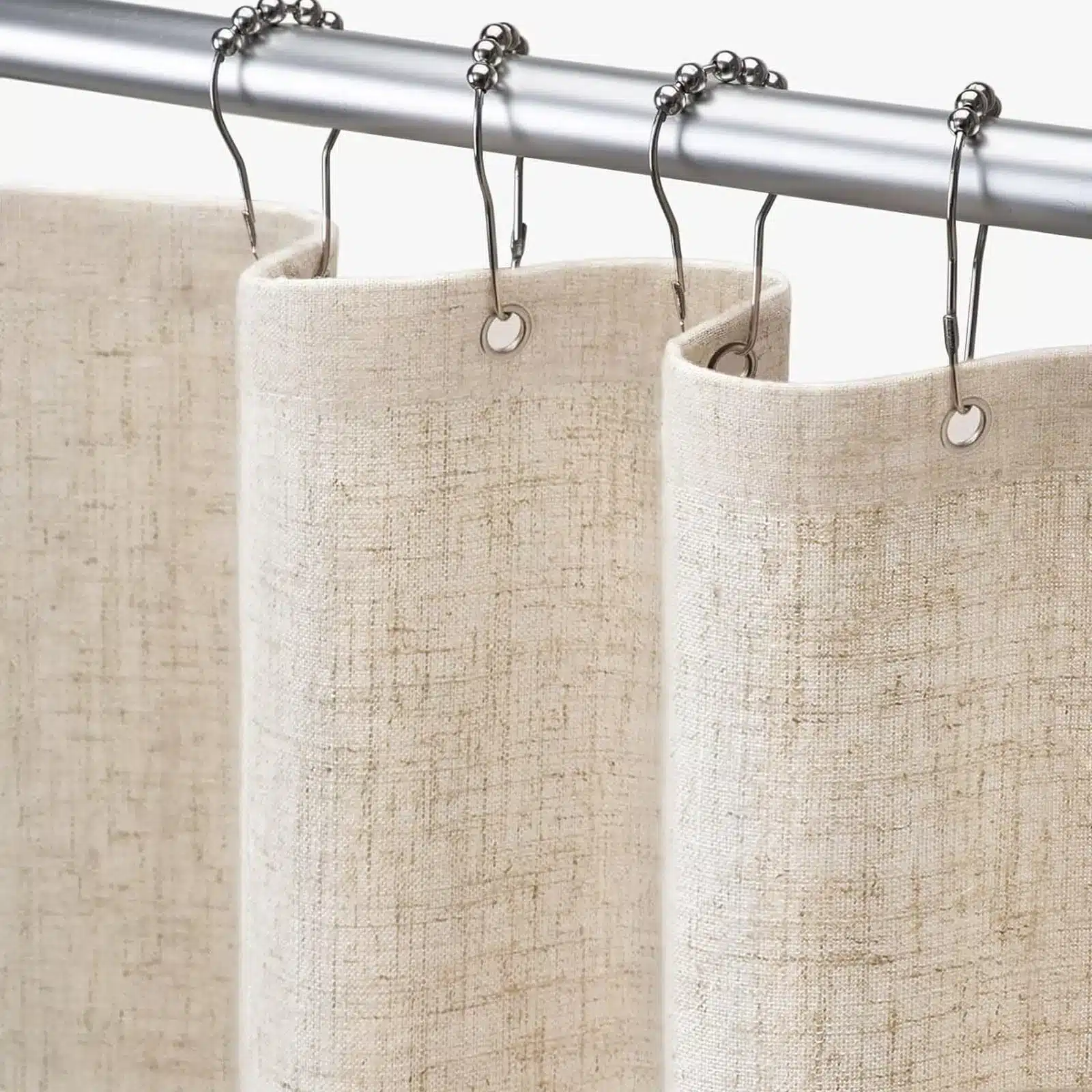
A shower curtain is more than a bathroom necessity—it’s a daily touchpoint that sets the tone for your entire space. The right one can make your morning routine feel like a spa retreat, while the wrong one can leave you wrestling with mildew, wrinkles, and regret. At Goldoma, we’ve curated a collection that balances beauty, durability, and practicality. Whether you crave the warmth of natural linen, the crispness of modern geometrics, or the cozy charm of farmhouse tassels, there’s a perfect pick for you. In this guide, we’ll walk you through everything you need to know to choose a shower curtain you’ll love for years, then share our six top picks for 2025.
How to Choose the Right Shower Curtain: Size, Material, and More
Before you fall for a pattern, get the measurements right. The standard shower curtain is 72 inches wide by 72 inches tall—a good fit for most alcove tubs. However, if you have a larger walk-in shower or a freestanding tub, you may need a wider curtain (up to 108 inches) or a longer one (84 inches) for extra coverage. A good rule of thumb: the curtain should be at least 12 inches wider than your shower opening to allow for folds, and it should hang within an inch of the floor (or slightly above) to prevent water from escaping. Also, consider the height of your shower rod; if it’s mounted higher than 72 inches, you’ll need an extra-long curtain. Don’t forget to account for a liner if your curtain isn’t water-resistant—many of our picks include a liner or are made from water-friendly materials.
Material Matters: Fabric vs. PEVA vs. Linen
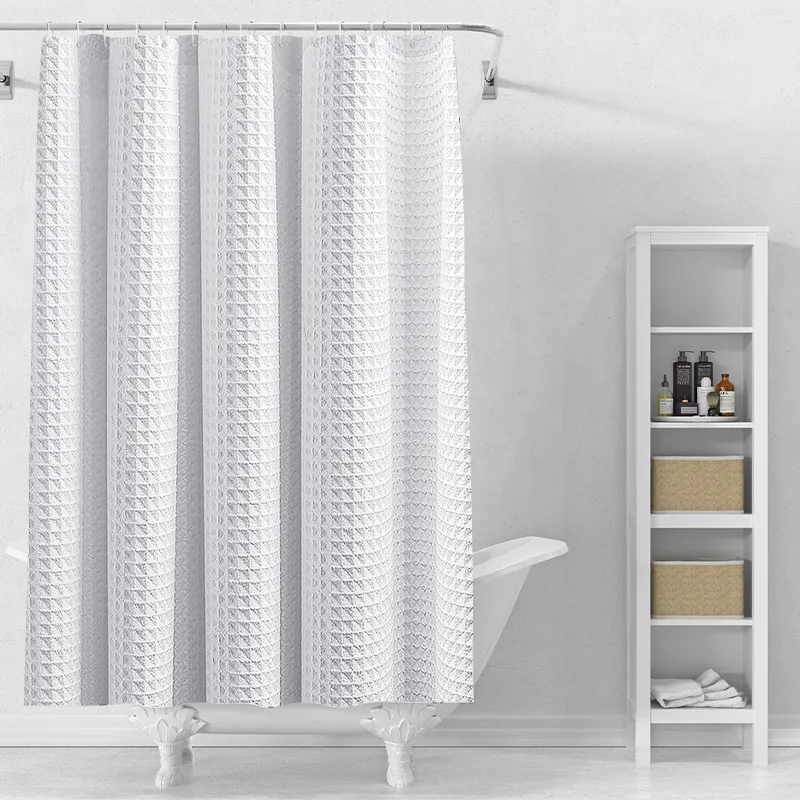
The material you choose affects everything from maintenance to feel. Fabric curtains, like cotton or polyester blends, offer a soft, tailored look and are often machine washable, but they require a liner to keep water in. Linen and linen-blend curtains bring a natural, textured elegance and breathe well, but they can be more prone to wrinkling. PEVA (polyethylene vinyl acetate) is a chlorine-free, eco-friendly alternative to PVC; it’s water-resistant, easy to wipe clean, and ideal for high-moisture bathrooms. Many PEVA curtains come with 3D-printed designs that add depth without sacrificing practicality. For a heavy, luxurious drape, look for thick woven fabrics like waffle weave—they resist clinging and feel substantial. Ultimately, consider your bathroom’s humidity and your willingness to launder: if you prefer low maintenance, PEVA or treated fabrics are your friends; if you love a natural aesthetic, linen or cotton blends are worth the extra care.
Style and Design: From Boho Farmhouse to Modern Minimalist
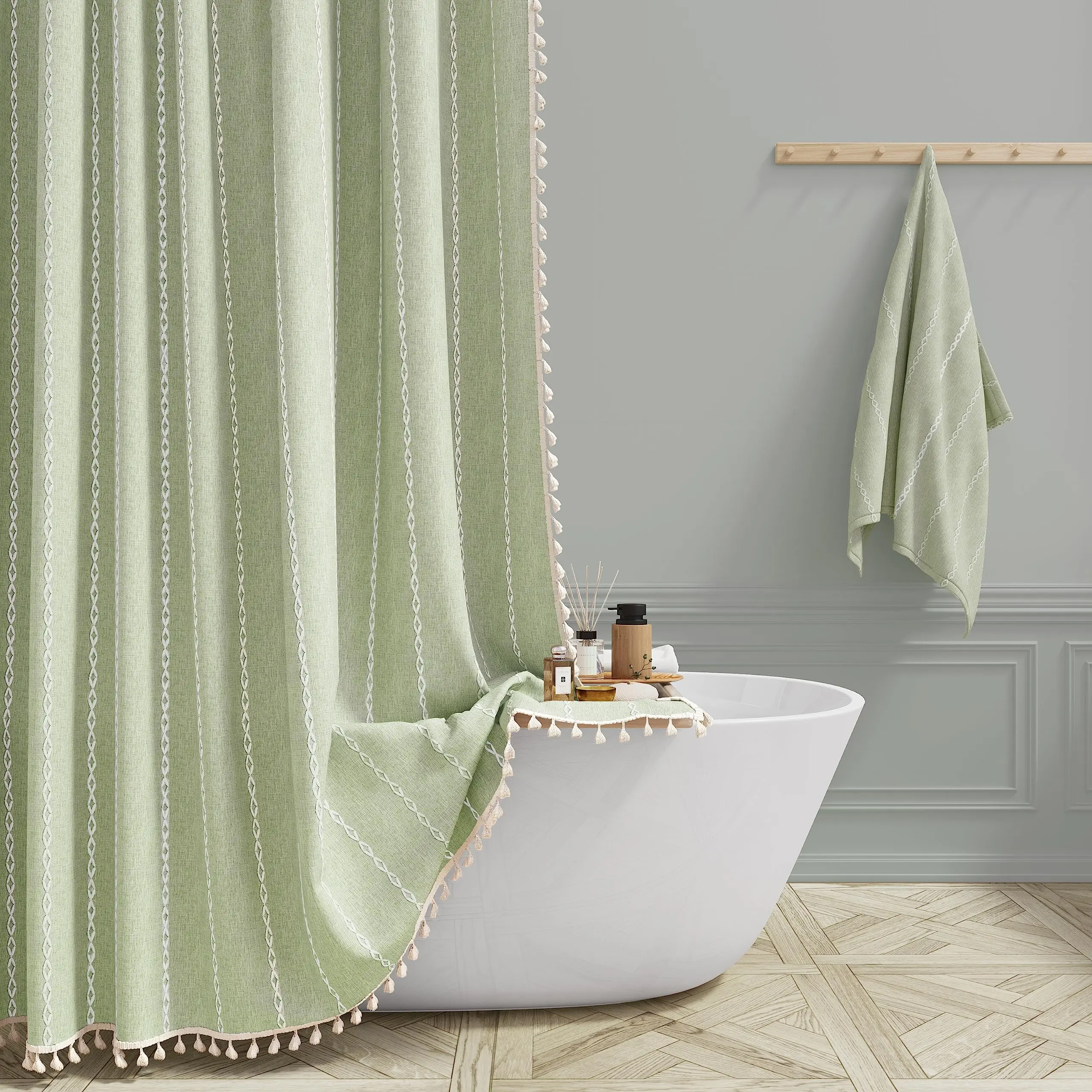
Your shower curtain is a chance to express your personal style. Boho farmhouse lovers gravitate toward natural fibers, tassels, and earthy tones like beige, cream, and sage green. These curtains add warmth and texture, making the bathroom feel like a cozy retreat. For a modern edge, consider geometric prints, 3D grid patterns, or crisp color blocking in navy or charcoal. These designs lend a clean, contemporary vibe that pairs well with sleek fixtures. If you lean traditional, classic stripes or subtle waffle textures offer timeless appeal. Don’t overlook hardware: hooks can be functional or decorative. Metal hooks with a rust-proof finish are durable, while curved hooks or U-shaped holders can add a custom touch and keep curtains gliding smoothly. Remember, the curtain should complement your existing tile, vanity, and accessories—not compete with them.
Care and Maintenance: Keep It Fresh and Mold-Free
Even the best shower curtain needs a little TLC to stay pristine. Always fully extend the curtain after each shower to let it dry; this simple habit prevents mildew and musty odors. For fabric curtains, check the care label—most are machine washable on gentle cycle with like colors, then hang to dry. Avoid bleach unless specified, as it can break down fibers. PEVA and vinyl curtains can be wiped down with a mild soap and water solution; for stubborn stains, a diluted vinegar spray works wonders. If you notice pink or black spots, it’s likely mildew—wash with oxygen bleach or replace the curtain if it’s extensive. Liners should be replaced every 6–12 months, depending on use. To extend the life of your curtain, use a liner even if your curtain is water-resistant, and consider a mildew-resistant liner. Finally, invest in quality hooks: rust-proof metal hooks prevent staining and keep your curtain gliding effortlessly.
Our Top Picks
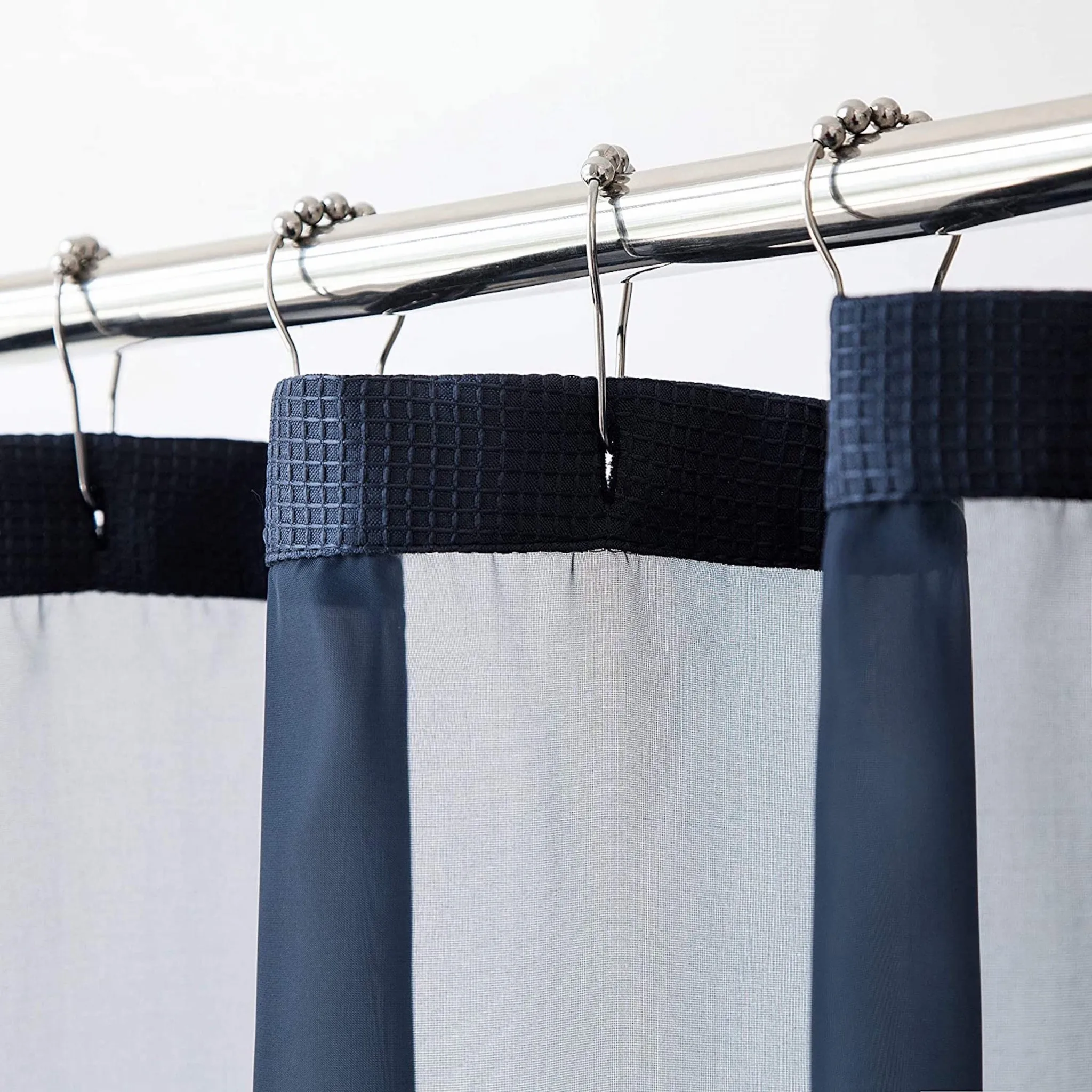
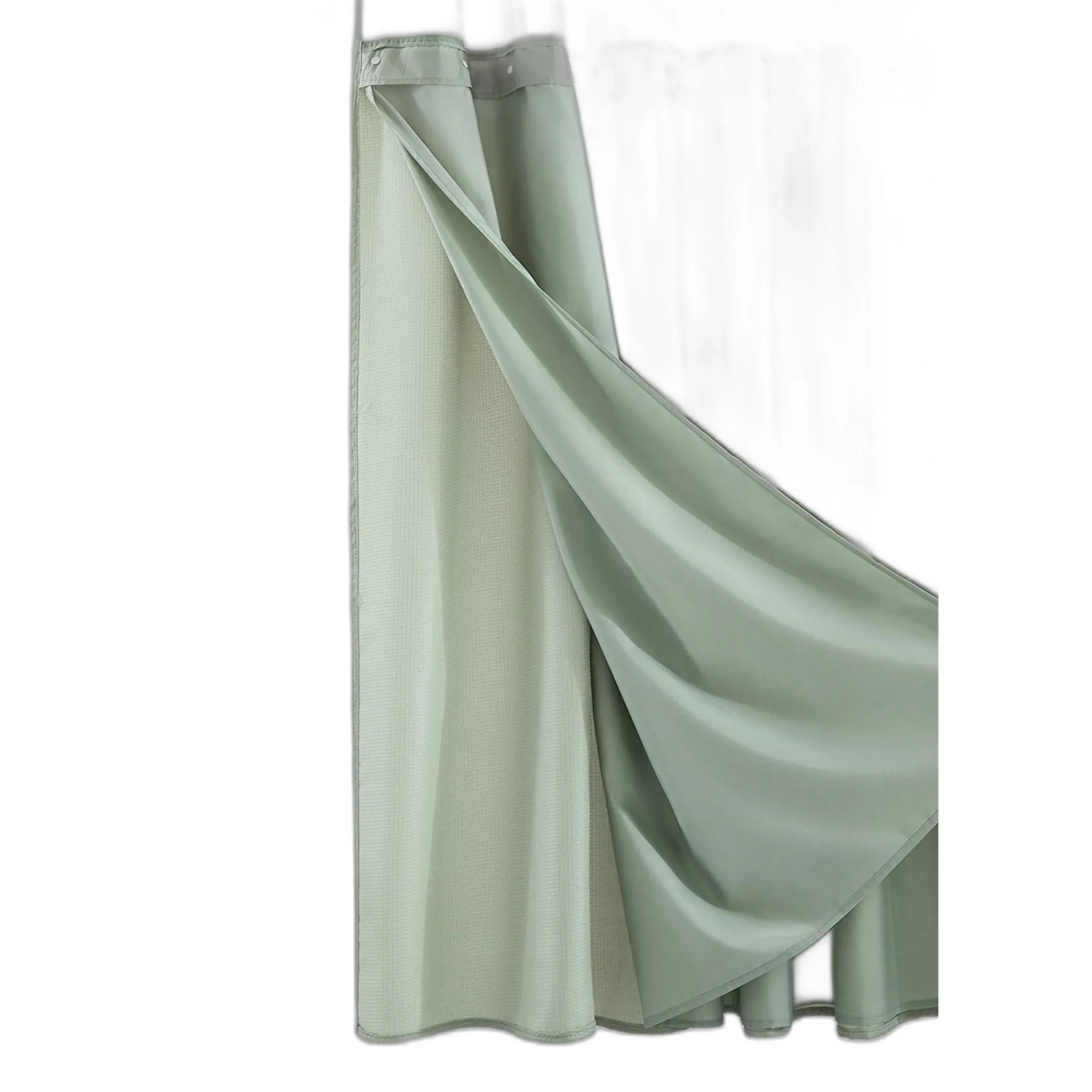
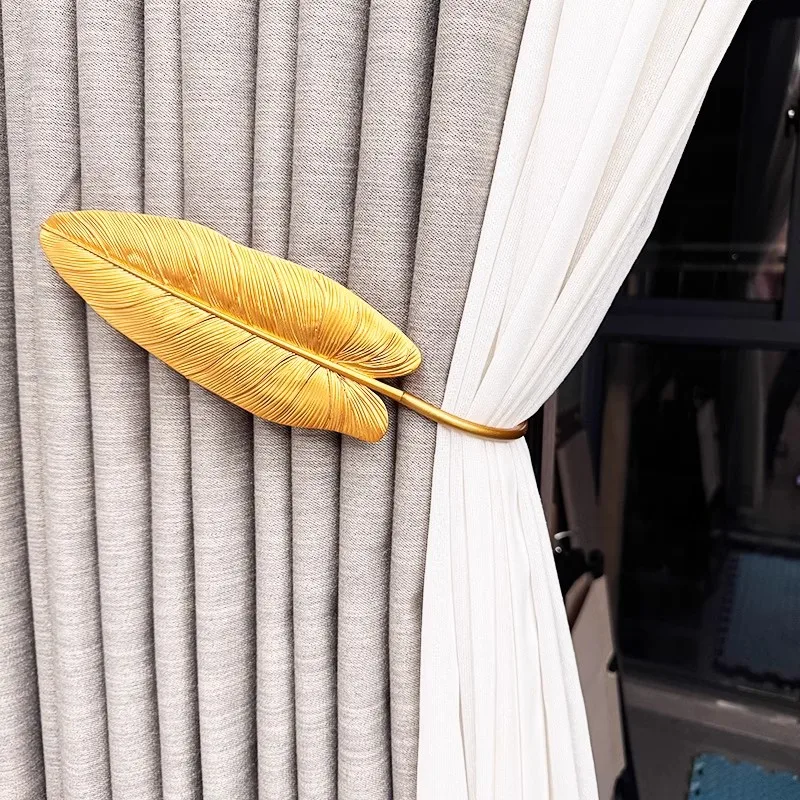
Ready to refresh your bathroom? Shop Goldoma’s full collection of shower curtains and find your perfect match today.
