
Blog
The Best Wok for Induction: A Complete Buying Guide
Buying Guide
Discover the Best Wok for Induction Cooking
Finding the best wok for induction can be a challenge because not all woks work on induction cooktops. In this guide, we’ll help you choose the perfect wok for your induction stove, covering flat bases, materials, and heat retention.
Why Induction Cooktops Need a Special Wok
Induction cooktops use electromagnetic fields to heat pans directly, so your wok must have a ferromagnetic base. Unlike gas or electric stoves, induction requires a flat, magnetic bottom for efficient heat transfer. A round-bottomed wok simply won’t work. The best wok for induction will have a flat base and be made of materials like carbon steel, cast iron, or stainless steel with a magnetic layer. Without these features, your wok won’t heat evenly, leading to frustrating cooking results.
When shopping, look for labels like “induction compatible” or test with a magnet. If the magnet sticks, the wok will work. Remember, the wok’s shape matters—a flared side helps toss ingredients, but the base must remain flat on the cooktop.
Key Features of the Best Wok for Induction
To find the best wok for induction, focus on three critical features: flat base, magnetic material, and good heat conductivity. Here’s what to look for:
- Flat Base: A completely flat bottom ensures full contact with the induction coil, preventing hot spots and uneven cooking.
- Magnetic Material: Carbon steel, cast iron, and some stainless steel woks work well. Avoid aluminum or copper unless they have a magnetic cladding.
- Heat Conductivity: Carbon steel heats quickly and evenly, while cast iron retains heat longer. Multi-ply stainless steel offers durability and even heat.
- Size: A 12-14 inch diameter is versatile for most households. Ensure the base fits your cooktop’s heating zone.
For more on induction cooktop mechanics, see this Wikipedia article on induction cooking.
Material Matters: Choosing the Right Wok Material for Induction
Each material has pros and cons for induction cooking. Carbon steel is lightweight, heats rapidly, and develops a natural non-stick patina over time. Cast iron offers unmatched heat retention but is heavy and requires seasoning. Stainless steel with an aluminum or copper core is durable and non-reactive, but may not be as non-stick. For the best wok for induction, many cooks prefer carbon steel for its balance of performance and weight. However, if you want low maintenance, a stainless steel wok with a magnetic bottom is a solid choice. Avoid non-stick coatings unless they are induction-compatible—some coatings can degrade at high induction heat.
Carbon Steel Woks
Carbon steel is the traditional choice for wok cooking. It’s lightweight, responsive to temperature changes, and when seasoned, provides a natural non-stick surface. Most carbon steel woks are induction-compatible if they have a flat base. Look for a thickness of about 1.5-2mm for durability without excessive weight.
Cast Iron Woks
Cast iron woks are heavy but excellent for heat retention. They work perfectly on induction but take longer to heat up. They also require careful seasoning to prevent rust. A cast iron wok can be the best wok for induction if you prefer steady, even heat for deep-frying or braising.
Stainless Steel Woks
Stainless steel woks are often multi-ply with an aluminum or copper core for better heat distribution. They are dishwasher safe and non-reactive, making them great for acidic dishes. However, they can be sticky unless well-oiled. Ensure the base is magnetic—some stainless steel woks have a magnetic layer on the bottom.
Flat Base vs. Round Base: Which is Best for Induction?
Induction cooktops require a flat base for proper contact. Round-bottomed woks, typical in gas stove cooking, will not work on induction unless you use a special wok ring adapter. Even then, performance suffers. The best wok for induction always has a flat base, typically 4-6 inches in diameter. This ensures maximum contact with the induction coil, leading to efficient heating. Some woks have a slightly rounded bottom with a flat ring—these can work but may not heat as evenly. For authentic stir-fry, a flat-bottomed wok allows you to toss ingredients while maintaining contact. If you miss the round shape, consider a wok with a flat base and flared sides, which mimics the tossing action.
Size and Weight Considerations for Induction Woks
Wok size matters for induction. A 12-inch diameter is standard, but ensure the flat base fits within your cooktop’s largest heating zone. Larger woks may have bases that extend beyond the coil, leading to uneven heating. Weight is also important—carbon steel woks around 2-3 pounds are easy to handle, while cast iron can be 5-7 pounds. For everyday use, a medium-weight carbon steel wok is often the best wok for induction. Also consider the handle: long wooden or silicone handles stay cool, while metal handles can get hot. A helper handle on the opposite side is useful for lifting.
How to Season and Care for Your Induction Wok
Seasoning creates a non-stick patina and prevents rust. For carbon steel or cast iron woks, wash with hot water and mild soap to remove factory coating, dry thoroughly, then heat on induction until the metal turns blue. Apply a thin layer of high-smoke-point oil (like flaxseed or grapeseed), heat until smoking, then wipe clean. Repeat 3-4 times. After each use, wash with water and a soft brush (no soap), dry, and apply a thin oil coat. Avoid cooking acidic foods in a newly seasoned wok. With proper care, your best wok for induction will last for years. Stainless steel woks don’t require seasoning but need oil to prevent sticking.
Top Tips for Cooking with a Wok on Induction
Induction cooktops heat fast, so preheat your wok gradually to avoid warping. Start on medium heat, then increase. Use plenty of oil to aid heat transfer and prevent sticking. Stir-fry in small batches to maintain high temperature. Induction’s quick response means you can adjust heat instantly. For the best wok for induction, avoid dragging the wok across the glass top—lift it to prevent scratches. Also, use wooden or silicone utensils to protect the surface. If your wok has a non-stick coating, use low to medium heat to preserve it.
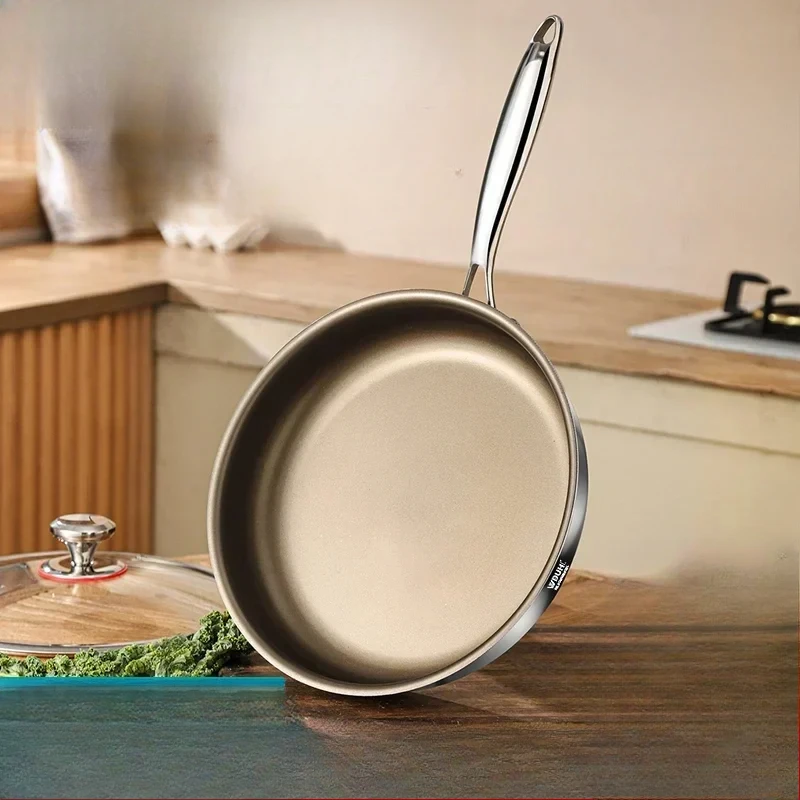
Titanium Pan Non-stick Frying Pan Household Wok Steak Frying Pan Induction Cooker Gas Stove Special Wok Frying
For a reliable option, consider the Titanium Pan Non-stick Frying Pan Household Wok Steak Frying Pan Induction Cooker Gas Stove Special Wok Frying, which offers a flat induction-compatible base and durable non-stick coating.
Frequently asked questions
Can I use a round-bottom wok on an induction cooktop?
No, round-bottom woks do not work on induction cooktops because they require a flat, magnetic base. You would need a wok ring adapter, but even then, heat distribution is poor. It’s best to choose a flat-bottom wok specifically designed for induction.
What is the best material for a wok on induction?
Carbon steel is often considered the best material for induction woks because it heats quickly, is lightweight, and develops a natural non-stick patina. Cast iron is also excellent but heavier, while stainless steel with a magnetic base is durable and low-maintenance.
How do I know if a wok is induction compatible?
Check the product description for “induction compatible” or test with a magnet. If a magnet sticks firmly to the base, the wok will work on induction. Also, ensure the base is flat and made of ferromagnetic material like iron or steel.
Does the size of the wok base matter on induction?
Yes, the base should match the size of your cooktop’s heating zone. A base that is too small may not heat efficiently, while one too large may extend beyond the coil, causing uneven heating. Measure your induction burner’s diameter before buying.
