
Blog
The Ultimate Cast Iron Wok Buying Guide
Buying Guide
How to Choose the Perfect Cast Iron Wok
A cast iron wok is a versatile kitchen tool that can transform your cooking. Whether you’re stir-frying, deep-frying, or steaming, the right wok makes all the difference.
Why Choose a Cast Iron Wok?
Cast iron woks are prized for their excellent heat retention and even heating. Unlike thin carbon steel woks, cast iron stays hot even when you add cold ingredients, ensuring a perfect sear. They are also incredibly durable—with proper care, a cast iron wok can last for generations.
Key Features to Look For
- Material: Ensure it’s 100% cast iron without any coating. Non-stick coatings can wear off and may not withstand high heat.
- Weight: A heavier wok retains heat better but consider your strength for tossing.
- Size: 12-14 inches is ideal for most home kitchens.
- Handle: Look for a long wooden or metal handle that stays cool.
Seasoning Your Wok
Seasoning creates a natural non-stick surface. To season, wash the wok, dry it thoroughly, apply a thin layer of oil, and heat it until smoking. Repeat this process a few times. Over time, the seasoning will improve with use.
Tips for First-Time Seasoning
- Use flaxseed oil or grapeseed oil for a hard seasoning layer.
- Heat the wok upside down in the oven at 400°F for an hour.
- Let it cool slowly inside the oven.
Cooking with a Cast Iron Wok
Preheat your wok over high heat until it smokes slightly. Add oil and swirl to coat. Then add ingredients in batches to avoid overcrowding. Cast iron works well for stir-frying, deep-frying, and even braising.
Maintenance and Care
After cooking, clean the wok with hot water and a stiff brush—no soap. Dry it immediately over low heat and rub with a thin layer of oil to prevent rust. Store in a dry place.
Common Mistakes to Avoid
- Soaking in water: This causes rust.
- Using metal utensils: They can scratch the seasoning.
- Cooking acidic foods frequently: Tomatoes and vinegar can damage the seasoning.
Our Recommendation
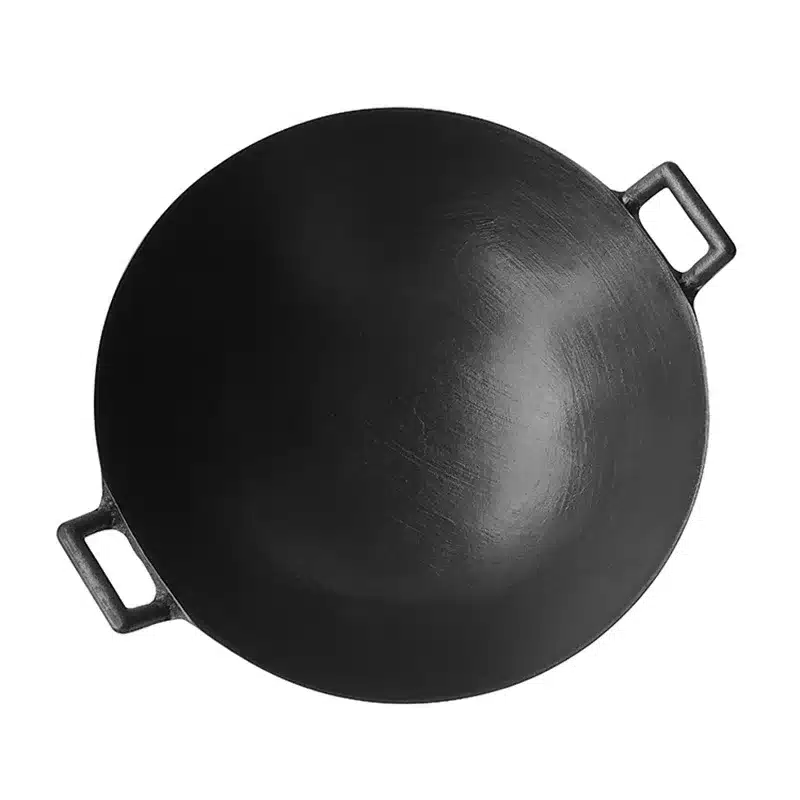
If you’re looking for a reliable cast iron wok, consider the Free Shing Cast Iron Wok Cooking Pot. It’s uncoated, pre-seasoned, and perfect for camping or outdoor use. Its classic design and sturdy construction make it a great addition to any kitchen.
Free Shing Cast Iron Wok Cooking Pot No Coating Noo-Stivk Classical Camping Outdoor Use cast iron pot wok cooking pot cast iron
For a reliable, uncoated option that excels in heat retention and versatility, the Free Shing Cast Iron Wok Cooking Pot is a solid choice for both kitchen and campfire cooking.
Frequently asked questions
Can I use a cast iron wok on an induction cooktop?
Yes, cast iron works on all heat sources including induction, gas, electric, and even campfires.
How do I remove rust from my cast iron wok?
Scrub with steel wool and soap, rinse, dry thoroughly, and reseason immediately.
Is a cast iron wok too heavy for everyday use?
It can be heavy, but many home cooks find the heat retention worth the weight. Practice lifting and tossing to build strength.
Can I cook acidic foods in a cast iron wok?
Occasional use is fine, but frequent cooking of acidic foods can strip the seasoning. It’s best to use a different pan for such dishes.
