
Blog
The Ultimate Bookshelf Buying Guide for Every Home
Buying Guide
Your Complete Bookshelf Buying Guide
A bookshelf is more than just storage; it’s a statement piece that reflects your personality and organizes your life. Whether you’re a bookworm or a minimalist, this guide will help you find the perfect fit.
Why a Bookshelf Matters
A bookshelf is a cornerstone of home organization and decor. It provides a dedicated place for your beloved books, cherished photos, and decorative items, keeping your space tidy and visually appealing. Beyond storage, a well-chosen bookshelf can anchor a room, define a reading nook, or showcase your personality. Think of it as a functional piece of art that grows with you.
In this guide, we’ll walk you through every consideration—from size and material to style and placement—so you can make an informed decision that you’ll love for years.
Key Factors to Consider Before Buying a Bookshelf
Before you start shopping, take a moment to evaluate your needs. This will prevent buyer’s remorse and ensure your new bookshelf serves you well.
- Available Space: Measure the width, height, and depth of the area where you plan to place the bookshelf. Don’t forget to account for door swings and traffic flow.
- Storage Capacity: Count your books and other items you intend to display. A general rule is to allow at least 12 inches of shelf depth for standard books, but oversized art books may need more.
- Weight Limit: Consider the weight of your heaviest items. Solid wood shelves can typically hold 30-50 pounds, while particleboard may hold less. Check the manufacturer’s specifications.
- Style Preference: Your bookshelf should complement your existing decor. Are you drawn to modern minimalism, rustic farmhouse, or industrial chic? Choose a design that feels cohesive.
Materials: Wood, Metal, and More
The material of your bookshelf affects its durability, appearance, and price. Here’s a breakdown of common options:
Solid Wood
Solid wood bookshelves are sturdy, timeless, and can last for decades. They come in various finishes like oak, walnut, and pine. The natural grain adds warmth to any room. The downside? They can be heavy and more expensive.
Engineered Wood (Particleboard/MDF)
These are budget-friendly and lightweight, often finished with a wood veneer or laminate. They’re available in many colors and styles, but they are less durable and can sag over time if overloaded.
Metal
Metal bookshelves offer an industrial or modern look. They are incredibly sturdy and can hold heavy loads, but they may lack the warmth of wood. Some designs combine metal frames with wooden shelves for the best of both worlds.
Bookshelf Styles: Find Your Perfect Match
Bookshelves come in a variety of styles, each with its own character. Here are some popular options to inspire you:
- Standard Bookcase: The classic upright bookcase with multiple shelves. Simple, functional, and fits most spaces.
- Ladder Shelf: Leaning against the wall, this style is trendy and space-saving, adding a casual, modern vibe.
- Corner Bookshelf: Designed to fit snugly in a corner, maximizing often-unused space.
- Cube Storage: Features square cubbies that can be used with bins or baskets for a customizable and organized look.
- Barrister Bookcase: Has glass-fronted doors that protect books from dust—perfect for rare collections.
Measurements and Placement: Getting It Right
Proper measurements are crucial. Here’s a step-by-step approach:
- Measure the height, width, and depth of your intended space. Leave at least 2 inches of clearance on each side for easy placement.
- Consider the ceiling height. If you have high ceilings, a tall bookshelf can draw the eye upward. For low ceilings, a shorter, wider unit may feel more balanced.
- Think about accessibility. If you need frequent access to certain items, place them on middle shelves. Reserve lower shelves for heavy or less-used items.
- Ensure the bookshelf is stable. Use anti-tip brackets, especially if you have children or pets.
Organizing Your Bookshelf: Tips and Tricks
Once you’ve chosen your bookshelf, it’s time to make it look beautiful. Here are some expert organization tips:
- Group books by color, size, or genre for a visually pleasing arrangement.
- Mix books with decorative objects like vases, plants, or framed photos to add interest.
- Use bookends to keep items upright and add a decorative touch.
- Leave some empty space to allow the shelf to breathe and avoid a cluttered look.
Remember, a bookshelf is not just for books. It can display collectibles, art, or even a small indoor garden.
Caring for Your Bookshelf
To keep your bookshelf looking its best, regular maintenance is key. Dust the shelves and items weekly with a soft cloth. For wood shelves, use a gentle wood cleaner and avoid harsh chemicals. For metal frames, a damp cloth and mild soap work well. Check screws and joints periodically and tighten as needed. With proper care, your bookshelf will remain a beloved part of your home for years.
For more on the history and design of bookshelves, you can explore this Wikipedia article on bookshelves.
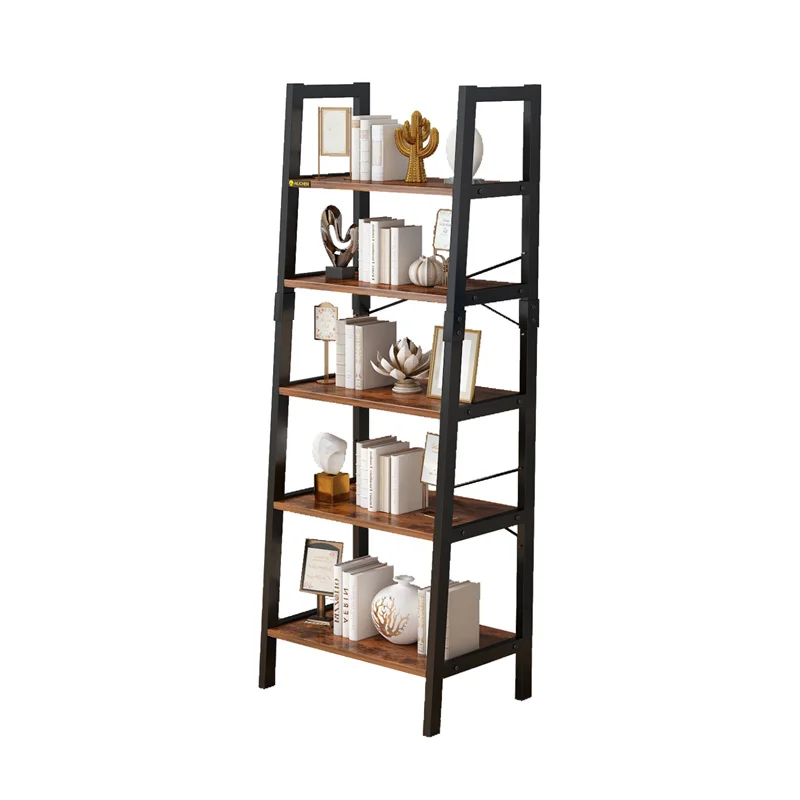
YQ FOREVER Bookshelf/ Bookcase / Display Shelf Bookshelf Wooden Panel Living Room Furniture Industrial Design Wooden and Metal
Consider the YQ FOREVER Bookshelf, which combines industrial design with sturdy wood and metal, offering both style and durability for any room.
Frequently asked questions
What is the standard depth for a bookshelf?
Most bookshelves are 12 inches deep, which accommodates standard books. For larger art books or display items, consider 14-16 inches deep.
How much weight can a wooden bookshelf shelf hold?
Solid wood shelves typically hold 30-50 pounds per shelf, while engineered wood may hold less. Check the manufacturer’s specifications for exact limits.
Should I assemble my bookshelf myself or hire a professional?
Many bookshelves come with simple assembly instructions and can be done with basic tools. For large or complex units, hiring a professional may be safer and save time.
How do I prevent a tall bookshelf from tipping over?
Use anti-tip brackets or anchors to secure the bookshelf to the wall, especially if you have children or pets. Always place heavier items on lower shelves.
