
Blog
How to Choose a Wooden Bookshelf: A Complete Guide
Buying Guide
The Ultimate Wooden Bookshelf Selection Guide
A wooden bookshelf is more than storage—it’s a statement piece that anchors a room. In this guide, we’ll help you find the perfect one for your home.
Why Choose a Wooden Bookshelf?
Wooden bookshelves have a timeless appeal that blends with any decor. Unlike metal or plastic, wood adds warmth and character. It’s durable, repairable, and ages beautifully. Plus, each piece has unique grain patterns, making your bookshelf one-of-a-kind.
From classic oak to rich walnut, the variety is vast. But beyond aesthetics, consider the structural integrity—solid wood can hold heavy books for decades. If you’re looking for longevity, a wooden bookshelf is a wise investment.
Types of Wood Used in Bookshelves
The wood type affects both look and price. Here’s a breakdown:
- Oak: Durable with prominent grain, great for traditional spaces.
- Walnut: Dark and elegant, adds a touch of luxury.
- Pine: Light and affordable, perfect for rustic or casual rooms.
- Teak: Water-resistant and sturdy, ideal for humid areas.
- MDF: Engineered wood, cost-effective, but less durable than solid.
For a balance of quality and budget, many opt for solid wood fronts with engineered backing. Always check the material description to know what you’re getting.
Room Placement and Size Considerations
Before you buy, measure your space. A tall bookshelf can overwhelm a small room, while a low one might get lost in a large space. Consider the following:
- Height: Leave at least a foot of clearance from the ceiling for a spacious feel.
- Depth: Standard is 12 inches, but deeper shelves can hold larger items.
- Weight capacity: Check the shelf load rating, especially if you have heavy tomes.
Also, think about the room’s traffic flow. Place the bookshelf where it won’t block doors or windows. If you’re short on floor space, a tall, narrow unit works wonders.
Style and Design Trends
Wooden bookshelves come in various styles, from minimalist to ornate. Here are popular trends:
- Ladder bookshelves: Leaning design, space-saving, and casual.
- Modular units: Customizable configurations, adaptable to your needs.
- Built-in look: Floor-to-ceiling units that blend with architecture.
- Mid-century modern: Clean lines, tapered legs, timeless appeal.
Choose a style that complements your existing furniture. For a cohesive look, match the wood tone with your floor or other pieces. Remember, trends come and go, but a classic wooden bookshelf remains stylish.
Functionality and Shelving Features
Think about how you’ll use the bookshelf. Open shelves display items but gather dust. Doors hide clutter but cost more. Adjustable shelves offer flexibility for different items.
Consider these features:
- Adjustable shelves: Move them to fit tall books or decor.
- Drawers: Great for storing small items out of sight.
- Cabinets: Provide closed storage, ideal for a tidy look.
- Back panels: Solid backs add stability, but open backs allow wall mounting.
Also, check the finish—a smooth, sealed surface is easier to clean and resists moisture.
Quality and Craftsmanship
A good wooden bookshelf is built to last. Look for these signs of quality:
- Joinery: Dovetail or mortise-and-tenon joints are stronger than nails.
- Wood thickness: Thicker boards (at least 0.75 inches) resist sagging.
- Finish: Even coating, no rough spots, and no strong chemical smell.
If possible, test the sturdiness by giving it a gentle shake. A wobbly unit is a safety hazard, especially with kids around. Always anchor tall bookshelves to the wall to prevent tipping.
Budgeting for Your Wooden Bookshelf
Prices vary widely based on wood type, size, and brand. Set a budget, but be flexible. A cheap bookshelf might need replacement in a few years, while a quality one can last generations.
Consider the cost per year of use. A $300 bookshelf that lasts 20 years is better value than a $100 one lasting 5 years. Also, factor in shipping and assembly costs—some brands offer free delivery, others charge extra.
For a balance of affordability and durability, look for solid wood options from mid-range brands. You can also check second-hand stores or online marketplaces for quality pieces at a fraction of the price.
Caring for Your Wooden Bookshelf
Proper care ensures your bookshelf remains beautiful for years. Dust regularly with a soft cloth. Avoid harsh chemicals; use a wood cleaner or mild soap. Apply furniture polish occasionally to maintain shine.
Keep it away from direct sunlight to prevent fading. In humid areas, use a dehumidifier to avoid warping. If you notice scratches, use a wood repair marker. With minimal effort, your wooden bookshelf will stay stunning.
For more on wood care, check out this guide to wood finishing.
Final Thoughts on Selecting a Wooden Bookshelf
Choosing the right wooden bookshelf involves balancing aesthetics, function, and budget. By considering wood type, size, style, and quality, you’ll find a piece that serves you well. Whether you’re a book lover or a decor enthusiast, a well-chosen bookshelf elevates your space.
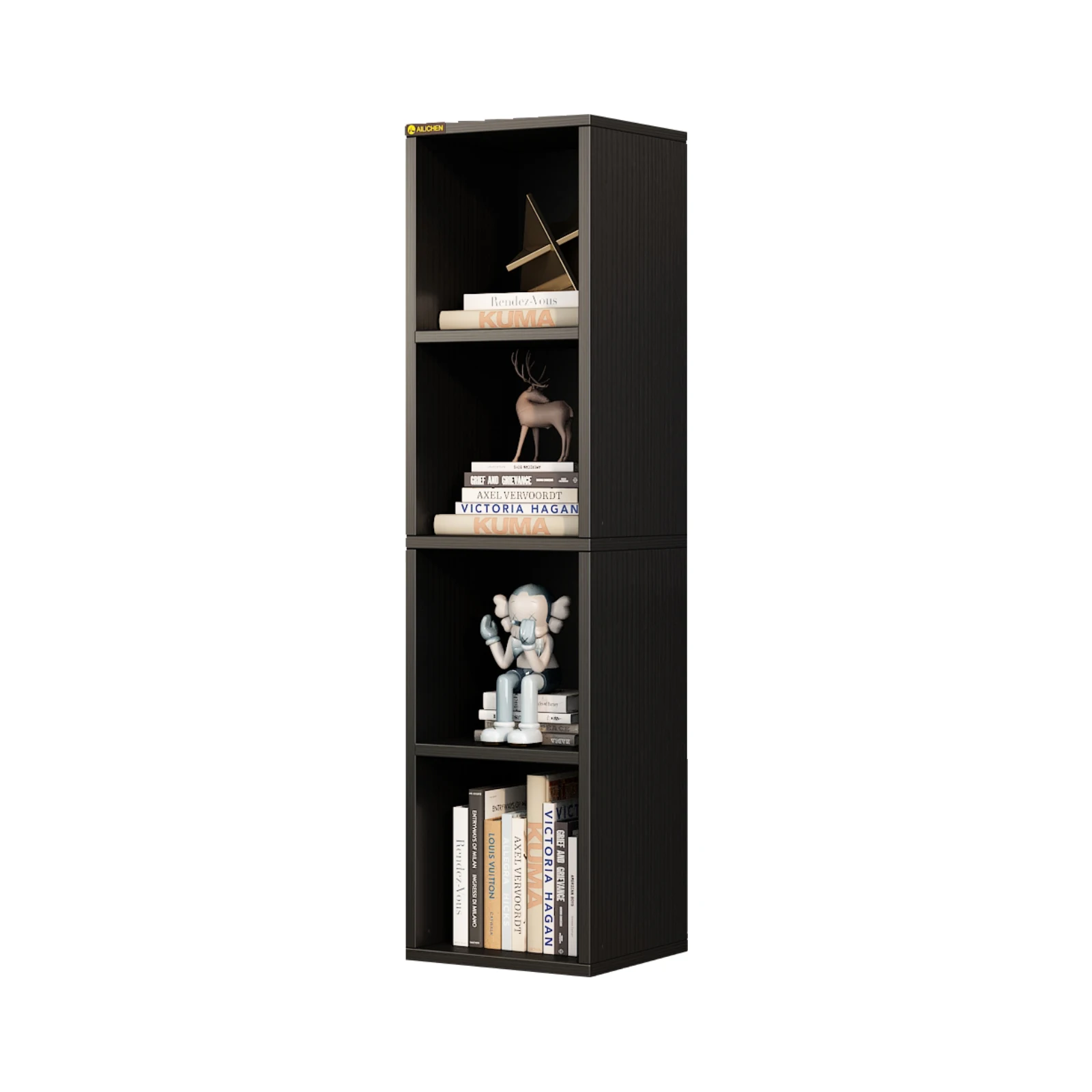
If you’re looking for a ready-made option, the YQ FOREVER New Design Four Story Bookshelf combines style and practicality, offering four tiers of display space in a durable wooden frame. It’s a solid choice for any room.
YQ FOREVER New Design Four Story Bookshelf Wooden Cabinet Living Room Furniture
For a ready-made option, consider the YQ FOREVER New Design Four Story Bookshelf, which offers quality craftsmanship and a versatile design.
Frequently asked questions
What is the best wood for a bookshelf?
The best wood depends on your budget and style. Oak and walnut are durable and attractive, while pine is affordable and light. Consider the room’s decor and how much weight you’ll place on the shelves.
How do I measure space for a bookshelf?
Measure the height, width, and depth of the area where you plan to place the bookshelf. Leave at least a foot of clearance above and around for easy access and a spacious feel.
Can I use a wooden bookshelf in a humid room?
Yes, but choose moisture-resistant woods like teak or cedar. Ensure the finish is sealed properly, and use a dehumidifier to prevent warping.
How do I secure a tall bookshelf to the wall?
Use furniture straps or brackets designed for anti-tipping. Attach them to the studs in the wall and secure the top of the bookshelf to prevent accidents, especially if you have children.
