
Blog
The Ultimate Buffet Sideboard Buying Guide for 2024
Buying Guide
How to Choose the Perfect Buffet Sideboard
Choosing the right buffet sideboard can transform your dining area into a stylish and functional space. This guide will help you navigate the key considerations.
Why a Buffet Sideboard is a Must-Have
A buffet sideboard is more than just a storage piece; it’s a statement of style and organization. Whether you’re hosting dinner parties or need extra space for dinnerware, a well-chosen sideboard adds both function and beauty to your home. From traditional to modern designs, the right sideboard can anchor a room and provide a surface for serving, display, or even a coffee station.
Size Matters: Finding the Right Dimensions
Before purchasing a buffet sideboard, measure your available space. Consider the length, depth, and height relative to your dining table and room layout. A standard sideboard is about 48-60 inches wide, 18-22 inches deep, and 30-36 inches tall. Leave at least 36 inches of clearance for walking and opening doors. For smaller rooms, a narrower sideboard or one with tapered legs can create an airy feel.
Material and Build Quality
The material of your buffet sideboard affects durability, appearance, and maintenance. Solid wood like oak or walnut offers longevity and warmth, while engineered wood with veneers can be more affordable. Metal accents or hairpin legs add an industrial touch. Check for sturdy construction, dovetail drawers, and smooth-gliding doors. A well-built sideboard should feel solid and wobble-free.
Wood vs. Metal vs. Glass
- Wood: Classic, warm, and durable. Best for traditional or rustic interiors.
- Metal: Modern, sleek, and often lighter. Great for industrial or contemporary spaces.
- Glass: Elegant but requires more upkeep. Ideal for displaying fine china.
Style and Design Considerations
Your buffet sideboard should complement your existing decor. For a cohesive look, match the finish to your dining table or other furniture. Mid-century modern styles feature clean lines and tapered legs, while farmhouse designs often include distressed wood and barn doors. Contemporary sideboards may have high-gloss finishes or bold colors. Don’t forget the hardware: handles and knobs can elevate the overall aesthetic.
Storage Solutions: Shelves, Drawers, and Cabinets
Think about what you’ll store. Adjustable shelves accommodate tall bottles or platters, while drawers are perfect for flatware and linens. Some sideboards have wine racks or built-in stemware holders. For versatility, choose a model with a mix of open and closed storage. A buffet sideboard with adjustable shelves, like the U_STYLE Adjustable Shelf Storage Sideboard, allows you to customize the interior layout. Consider your daily needs: if you entertain often, prioritize easy access to serving pieces.
Functionality: Serving and Display
A buffet sideboard can double as a serving station during gatherings. Look for a sturdy top surface that can hold platters, drinks, or a coffee maker. Some sideboards include a backsplash to protect the wall. For display, open shelves or glass-front cabinets let you showcase decorative items. If you plan to use it as a media console, ensure there are cable management holes.
Placement and Room Flow
Position your buffet sideboard along a wall in the dining room or living area. Avoid blocking natural pathways. In an open-concept space, a sideboard can define the dining zone. Use it to create a focal point with artwork or a mirror above. For balance, keep the sideboard centered or aligned with the dining table. Consider the scale: a large sideboard can overwhelm a small room, while a petite one might look lost in a vast space.
Budget and Value
Buffet sideboards range from budget-friendly to investment pieces. Set a realistic budget and prioritize quality over quantity. A mid-range sideboard with solid construction and timeless design offers the best value. Remember that a sideboard is a long-term addition to your home, so choose something you’ll love for years. Look for sales or clearance items from reputable brands, but always read reviews about durability and assembly.
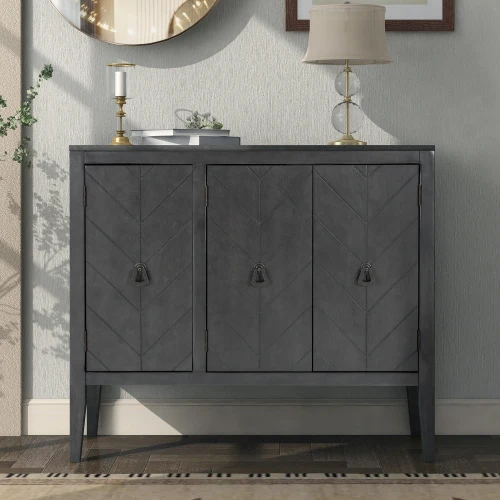
U_STYLE Adjustable Shelf Storage Sideboard with 3 Retro Metal Handles and 4 Pinewood Legs for Entryway Living Room Study Room
For a versatile option, consider the U_STYLE Adjustable Shelf Storage Sideboard with 3 Retro Metal Handles and 4 Pinewood Legs, which combines adjustable shelving with a timeless design.
Frequently asked questions
What is the ideal height for a buffet sideboard?
The ideal height for a buffet sideboard is typically between 30 and 36 inches, which allows comfortable access for serving and displays. This height also aligns well with standard dining tables.
Can a buffet sideboard be used in a living room?
Absolutely. A buffet sideboard works beautifully in a living room as a media console, bar cabinet, or storage for books and decor. Its low profile and long surface make it versatile for various uses.
How do I style the top of a buffet sideboard?
Style the top with a mix of functional and decorative items: a tray for remotes or drinks, a lamp for ambient light, framed photos, and a vase with fresh flowers. Keep it balanced and avoid clutter.
What is the difference between a buffet and a sideboard?
Historically, a buffet is used for serving food, while a sideboard stores dining essentials. Today, the terms are often used interchangeably, though sideboards may be longer and have drawers, while buffets focus on surface space.
